Budget Adherence In 2026: Practical Steps For Success
Unlock proven strategies to maintain financial discipline and achieve lasting success with your 2026 budget.
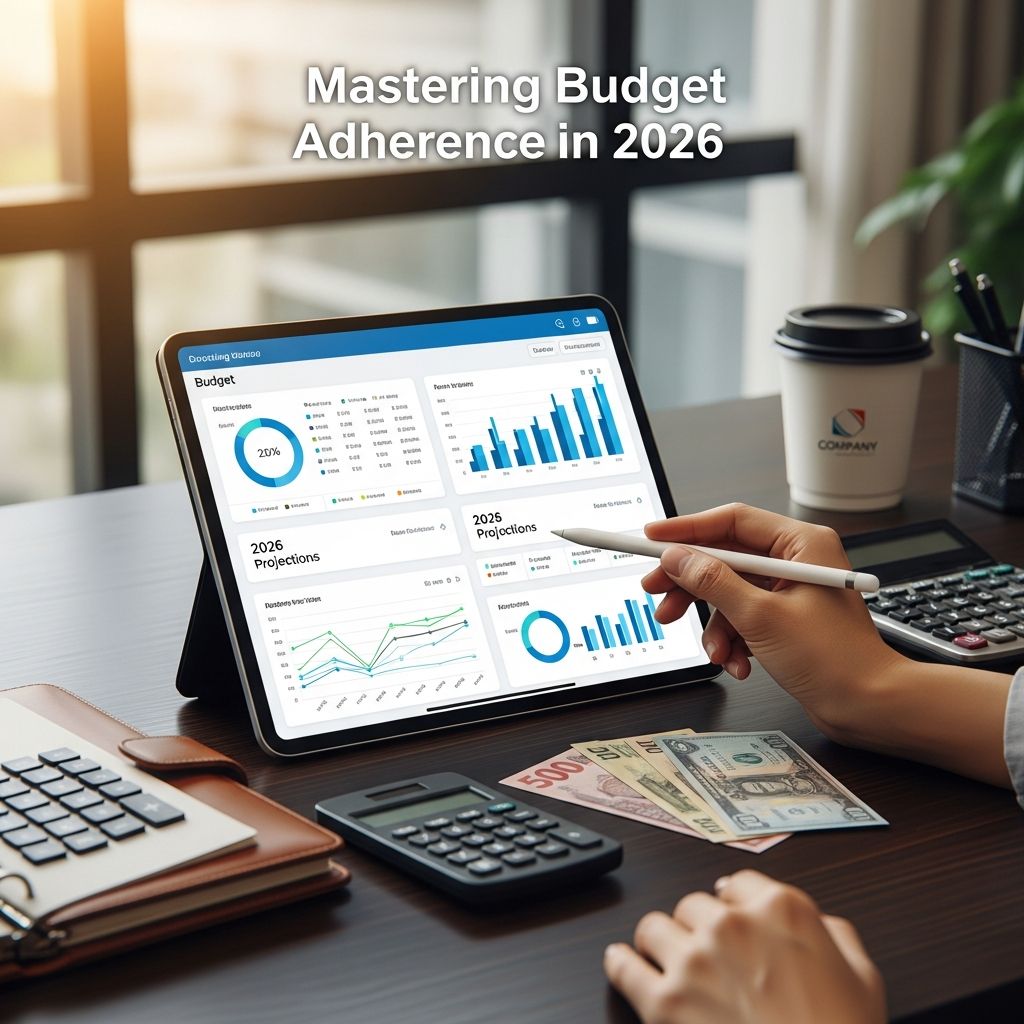
Sticking to a budget requires more than initial enthusiasm; it demands consistent habits, smart tools, and adaptive strategies. In 2026, with rising costs and economic shifts, maintaining financial control is key to achieving goals like debt reduction or wealth building. This guide provides a comprehensive roadmap to ensure your budget works for you year-round.
Establishing a Strong Foundation for Budget Success
Begin by clarifying your financial objectives to give your budget purpose. Specific targets, such as allocating $200 monthly toward an emergency fund or capping entertainment at 10% of income, transform vague aspirations into actionable plans. This clarity helps prioritize spending and resist temptations.
Next, conduct a thorough assessment of your current finances. Compile all income streams, including salaries, freelance earnings, and benefits. Categorize expenses into fixed (e.g., rent, utilities) and variable (e.g., dining, hobbies). Subtract total expenses from income to reveal your surplus or deficit, setting a realistic baseline.
- Income Audit: List primary paycheck, side gigs, and passive sources.
- Expense Breakdown: Track one month manually or via apps to capture true patterns.
- Net Calculation: Aim for positive cash flow to fund goals and buffers.
Choosing the Right Budgeting Framework
Select a method that fits your lifestyle for better adherence. The
50/30/20 rule
, recommended by financial authorities, divides after-tax income into 50% needs (essentials like housing), 30% wants (leisure), and 20% savings/debt payoff. This flexible structure balances necessities with enjoyment.| Category | Percentage | Example Allocations (for $5,000 monthly income) |
|---|---|---|
| Needs | 50% | $2,500 (rent, groceries, bills) |
| Wants | 30% | $1,500 (dining, entertainment) |
| Savings/Debt | 20% | $1,000 (emergency fund, loans) |
Alternatives include the envelope system for cash-based control or zero-based budgeting, where every dollar is assigned a job. Experiment to find what sustains motivation without rigidity.
Implementing Practical Tracking Techniques
Visibility into spending is crucial for discipline. Use digital apps like Mint or YNAB to categorize transactions automatically, set alerts for overspending, and visualize progress via charts. Manual logging in a spreadsheet builds awareness of micro-expenses like daily coffees that erode budgets.
Review weekly: Compare actuals against planned amounts. Adjust categories showing creep, such as subscriptions, by auditing and canceling unused ones. Consistent tracking turns data into insights, like realizing 15% of income goes to takeout—prompting home-cooked alternatives.
Pro Tips for Effective Monitoring
- Link bank accounts for real-time updates.
- Set category limits with notifications.
- Share access with a partner for accountability.
Building Habits to Curb Impulse Spending
Impulse buys undermine budgets; counter them with deliberate pauses. Implement a 48-hour rule: Delay non-essential purchases to assess true need. Pre-plan shopping lists and stick to perimeters in stores where staples reside, avoiding end-cap temptations.
Designate cash envelopes for discretionary areas like fun money. Once depleted, the category closes for the month. Gamify savings with challenges: No-spend days or themed weeks focusing on free activities like park visits or library events.
Automating for Effortless Discipline
Remove human error by automating finances. Schedule transfers to savings on payday— even $50 biweekly accumulates to $1,300 annually. Direct-allocate paychecks: 50% to needs, 20% to savings, remainder to checking for wants.
Bill pay automation prevents late fees and forgotten due dates. Round-up features from apps invest spare change, fostering growth without felt sacrifice. These systems ensure progress even on busy weeks.
Preparing for the Unexpected
Life’s surprises test budgets; fortify with an emergency fund targeting 3-6 months’ expenses. Start small: 5% of income monthly builds resilience against repairs or job loss. Insure adequately for health and property to minimize out-of-pocket hits.
Anticipate seasonal spikes like holidays or taxes by monthly earmarking. Create sinking funds: Divide annual costs (e.g., $1,200 car insurance) into $100 monthly pots.
Optimizing Daily Expenses Without Sacrifice
Trim smartly: Switch to generic groceries saving 20-30%, bundle errands to cut gas, negotiate bills annually. Home meal prep slashes dining costs—batch-cook to cover weekdays, freeing weekends for treats guilt-free.
Utility hacks: LED bulbs, smart thermostats reduce bills 10-15%. Audit wardrobe before buys; apps like ThredUp offer affordable renewals. Prioritize high-impact cuts yielding biggest savings with least lifestyle change.
Leveraging Technology and Community Support
2026 tools elevate budgeting: AI-driven apps predict overspends, suggest optimizations. Podcasts and forums provide motivation; join challenges like #BudgetBlitz for shared wins.
Partner with an accountability buddy for check-ins. Professional counseling via NFCC offers free tools for complex situations like debt spirals.
Periodic Reviews and Long-Term Adaptation
Quarterly audits align budgets with life changes: Raises warrant goal boosts; job shifts demand recalibration. Celebrate milestones—treats within limits reinforce positivity.
Annually, reassess goals. Scale up savings as income grows, diversify into investments. Adaptability ensures the budget evolves, sustaining adherence over decades.
Frequently Asked Questions
What if I overspend in one category?
Transfer from surplus areas or under-spent wants. Use it as a learning cue for next month, not punishment.
How do I motivate myself long-term?
Visualize goals via progress trackers; reward milestones with budgeted fun, like a concert ticket after three debt-free months.
Is budgeting realistic for variable income?
Yes—base on lowest expected earnings, average highs into buffers. Frequency-based planning (weekly) suits freelancers.
Can apps replace manual effort?
They enhance but don’t automate mindset. Combine with weekly reviews for best results.
What’s the fastest way to build savings?
Automate transfers first, then cut one big leak like subscriptions ($50+/month average savings).
Consistent application of these strategies positions 2026 as your breakthrough year. Budgeting evolves from chore to empowerment, paving paths to financial freedom.
References
- How to Budget Your Money in 2026 — Newrez. 2026. https://www.newrez.com/blog/self-help-articles/how-to-budget-your-money-in-2026/
- 6-Step Financial Plan for 2026 — DFPI (CA.gov). 2026. https://dfpi.ca.gov/news/insights/6-step-financial-plan-for-2026/
- Tips for Successful Budgeting in 2026 — Aspire Wealth Group. 2026. https://aspirewealthgrp.com/tips-for-successful-budgeting-in-2026/
- Tackle 2026 Budget Planning With Confidence — Forrester Research. 2026. https://www.forrester.com/bold/planning-guides/
Similar Articles








Read full bio of medha deb