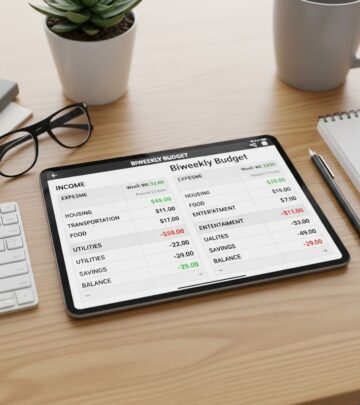
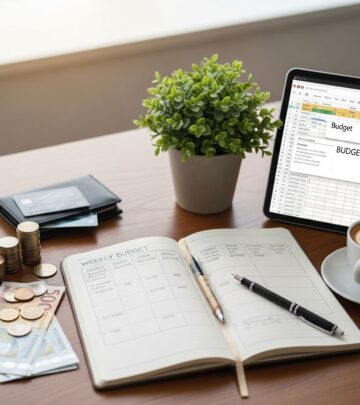
Biweekly Budgeting: Master Your Money In Two-Week Cycles
Unlock financial control with a biweekly budget: align paychecks, expenses, and goals for lasting stability and growth.

Biweekly budgets transform irregular paychecks into predictable financial flow, ensuring bills get paid on time while carving out space for savings and fun. This approach divides monthly income into two-week segments, matching expenses to each payday for reduced stress and better control.
Why Switch to Biweekly Budgeting?
Traditional monthly budgets often clash with biweekly pay schedules, leading to cash shortages mid-month. By syncing spending with paydays, you avoid overdrafts and build momentum toward goals like debt payoff or emergency funds. Data from financial institutions shows that paycheck-aligned plans boost adherence by up to 30%, as they mirror real cash inflows.
Key advantages include:
- Even cash distribution: Prevents feast-or-famine cycles common in monthly plans.
- Bonus paycheck leverage: Twice yearly, you’ll receive three paychecks, accelerating savings.
- Heightened awareness: Frequent reviews catch overspending early.
Essential Preparation Steps
Before diving into numbers, gather your financial snapshot. Review bank statements from the past three months to pinpoint average inflows and outflows. Note your exact pay dates—typically every other Friday—and project them for the year.
| Month | Payday 1 | Payday 2 | Bonus Payday? |
|---|---|---|---|
| January | Jan 3 | Jan 17 | No |
| February | Jan 31 | Feb 14 | No |
| May | May 2 | May 16 | May 30 |
This table illustrates how bonus paychecks appear roughly every six months, providing windfalls for irregular costs.
Building Your Income Foundation
Start with net income per paycheck—after taxes and deductions. If income varies, use a conservative average. For example, with $3,000 monthly take-home, each biweekly check averages $1,500, though 26 paychecks yearly yield two extras.
Factor in side hustles or reimbursements, assigning them to specific periods. Tools like payroll apps confirm exact amounts, preventing surprises.
Categorizing and Mapping Expenses
Divide expenses into fixed, variable, and aspirational buckets. Fixed ones like housing and subscriptions recur predictably; variables like groceries fluctuate; savings and debt payments are goals-driven.
Fixed Expenses Breakdown:
- Housing: Mortgage/rent
- Utilities: Electric, water, internet
- Insurance: Auto, health premiums
- Minimum debt payments
Variable ones demand estimates: Track last month’s spending and add 10-20% buffer. Map everything to a calendar, grouping by due date alignment with paydays.
Designing the Pay Period Calendar
A visual calendar is your roadmap. Use digital tools like Google Sheets or apps such as YNAB for interactivity. Plot paydays in green, bills in red, savings transfers in blue.
For period 1 (e.g., 1st-14th):
- Assign early-month bills: Rent (1st), phone (5th).
- Half of groceries, gas.
- 50% toward monthly savings goal.
Period 2 mirrors this, covering late-month obligations. If clusters occur, contact providers—many allow due date shifts without fees.
Allocating for Each Two-Week Cycle
Craft twin budgets if expenses skew; otherwise, one template suffices. Sample for $1,500 paycheck:
| Category | Period 1 Amount | Period 2 Amount | Monthly Total |
|---|---|---|---|
| Fixed Bills | $800 | $700 | $1,500 |
| Food/Groceries | $200 | $200 | $400 |
| Transportation | $100 | $100 | $200 |
| Entertainment | $75 | $75 | $150 |
| Savings/Debt | $225 | $225 | $450 |
| Buffer | $100 | $200 | $300 |
This leaves wiggle room. Prioritize necessities first, then goals.
Incorporating Flexibility and Buffers
Life throws curveballs—car repairs, gifts, inflation spikes. Build a $100-300 buffer per period for these. Unused portions roll into savings. Also, plan sinking funds for known big-ticket items like holidays or taxes, dividing contributions biweekly.
Variable spending tips:
- Pre-plan meals to cap groceries.
- Use cash envelopes for fun money.
- Review mid-period for adjustments.
Tracking and Adjusting in Real Time
Implementation is key. Log every transaction daily via apps like Mint or PocketGuard. Set biweekly reviews: Compare actuals vs. plan, tweak as needed. Celebrate wins, like hitting savings targets, to stay motivated.
If overspending hits, cut variables first, not essentials. Quarterly deep dives refine estimates based on patterns.
Leveraging Tools and Templates
Free resources abound:
- Excel/Google Sheets: Customizable calendars.
- Apps: Goodbudget for envelope systems, EveryDollar for zero-based plans.
- Printables: Search for biweekly planners matching your style.
Automate where possible—bill pay, recurring transfers—to minimize manual work.
Advanced Strategies for Long-Term Success
Once basics click, level up:
- Zero-based budgeting: Assign every dollar a job.
- Bonus automation: Divert third paychecks fully to high-yield savings.
- Debt snowball/avalanche: Extra payments biweekly shrink balances faster.
- Inflation-proofing: Annual reviews adjust for rising costs.
Couples can sync joint calendars, dividing shared expenses proportionally.
Common Pitfalls and Fixes
Avoid these traps:
- Ignoring variables: Track religiously first month.
- Rigid due dates: Negotiate flexibility.
- No buffer: Start small, build up.
- Skipping reviews: Schedule alerts.
Frequently Asked Questions
What if my paydays shift?
Adapt your calendar monthly; most patterns stabilize.
Can I mix biweekly with monthly bills?
Yes—prorate monthlys across periods or pay full from one.
How much buffer is ideal?
5-10% of paycheck, scaling with experience.
What about irregular income?
Base on lowest recent pay; extras boost savings.
Does this work for families?
Absolutely—scale categories for multiple incomes/expenses.
Start Today for Tomorrow’s Security
Biweekly budgeting empowers proactive finances, turning paychecks into progress. Dedicate one hour monthly to setup, and watch stability grow. Consistent effort yields freedom from financial worry.
References
- How to Create a Biweekly Budget — Experian. 2023. https://www.experian.com/blogs/ask-experian/how-to-create-biweekly-budget/
- How To Create A Biweekly Budget In 5 Simple Steps — FineEdge Community Credit Union. 2023. https://www.finedgecu.org/blogs?blog_id=91
- Paid biweekly? Try these budgeting ideas for 3-paycheck months — Discover. 2023. https://www.discover.com/online-banking/banking-topics/5-budgeting-hacks-if-youre-paid-biweekly/
- Free Bi-Weekly Budget Template And User Guide — My Financial Equity. 2023. https://myfinancialequity.com/free-bi-weekly-budget-template-and-user-guide/
- How to Budget Biweekly Paychecks — DEXSTA Federal Credit Union. 2023. https://www.dexsta.com/how-to-budget-biweekly-paychecks/
Similar Articles








Read full bio of Sneha Tete