Mastering Bill Management: Essential Strategies For Stability
Discover proven techniques to organize payments, cut costs, and build lasting financial stability through smart bill handling.
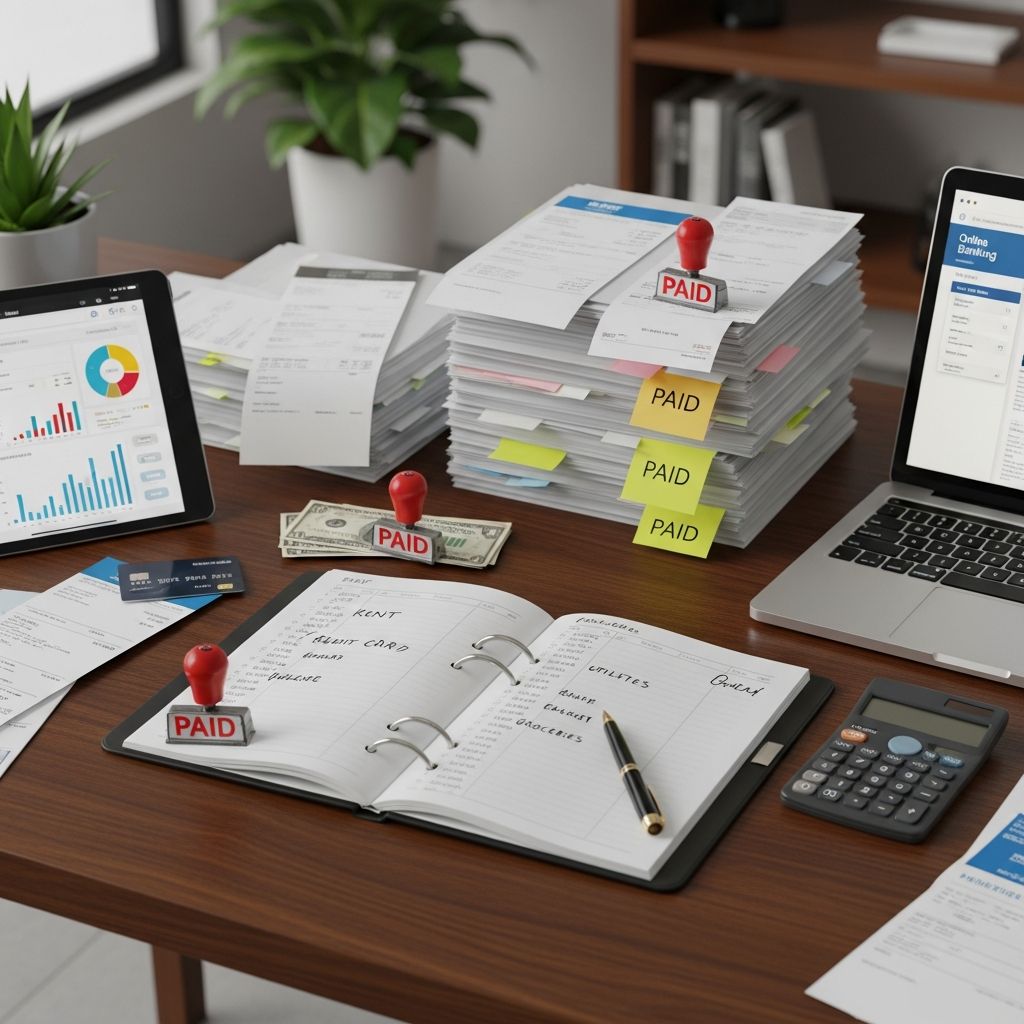
Effectively handling regular payments is foundational to financial well-being. Poor bill management leads to unnecessary fees, mounting debt, and chronic stress, while a structured approach fosters savings, predictability, and peace of mind. This guide outlines comprehensive strategies to take full control of your obligations, drawing from proven practices used by individuals and businesses alike.
Understanding Your Financial Obligations
Before implementing any system, gain clarity on what you’re dealing with. Compile a complete list of all recurring and one-time payments, including utilities, rent, subscriptions, insurance, and credit card minimums. Note due dates, amounts, and payment methods for each. This inventory reveals patterns, such as overlapping deadlines that strain cash flow or forgotten small charges that add up over time.
Distinguish between fixed obligations, like mortgage payments that remain constant, and variable ones, such as grocery or fuel costs that fluctuate. Recognizing these differences allows for targeted adjustments. For instance, fixed items demand priority, while variables offer opportunities for reduction through lifestyle tweaks or negotiations.
Building a Centralized Tracking System
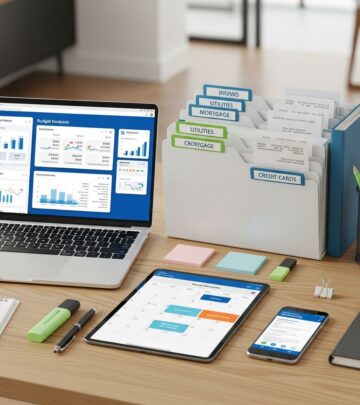
A unified hub for all bill-related information prevents oversights. Designate a single digital folder or app for storing statements, confirmations, and reminders. Digital tools excel here: budgeting apps sync with bank accounts to import transactions automatically, categorizing them on arrival.
- Digital planners: Input every bill into a calendar app with alerts set a few days before due dates.
- Spreadsheets: Create columns for bill name, amount, due date, payment status, and notes on any discounts.
- Mobile apps: Choose platforms that scan paper bills via camera and extract details using OCR technology.
Regular weekly reviews—perhaps every Sunday—ensure nothing slips through. This habit transforms reactive scrambling into proactive oversight.
Categorizing Expenses for Better Insights
Grouping payments illuminates spending habits. Divide into essentials (housing, food, transport) versus discretionary (entertainment, dining out). Further subdivide essentials into subcategories like utilities or telecom to spot high-cost areas.
| Category | Examples | Actionable Steps |
|---|---|---|
| Essentials – Fixed | Rent, loan payments, insurance | Automate to avoid misses |
| Essentials – Variable | Utilities, groceries | Monitor usage, seek efficiencies |
| Discretionary | Subscriptions, hobbies | Review and cancel unused |
| Debt-Related | Credit cards, personal loans | Prioritize high-interest first |
Once categorized, analyze monthly totals. Tools that generate charts visualize trends, such as a 20% spike in energy costs during winter, prompting thermostat adjustments or supplier switches.
Automating Payments to Eliminate Errors
Manual payments invite forgetfulness and fees. Set up autopay for reliable bills through your bank or creditor portals. Start with non-variable amounts to test the system, then expand.
- Bank bill pay services transfer funds directly on scheduled dates.
- Credit card autopay covers minimums, with manual top-ups for balances.
- App-based automation handles vendors without online portals.
Benefits include time savings and late fee avoidance—typically $25–$40 per incident. Monitor for changes, like rate hikes, by reviewing statements monthly.
Prioritizing Payments During Tight Months
Cash shortages happen. Rank bills by consequence: housing and utilities first to prevent shutoffs, then secured debts to avoid liens, followed by unsecured like cards. Create a timeline aligning payments with income dates.
Communicate proactively with providers for extensions or plans. Many offer hardship options, reducing immediate pressure while preserving credit.
Leveraging Technology for Real-Time Monitoring
Modern apps provide dashboards updating spending instantly. Features like receipt scanning, AI categorization, and predictive alerts forecast shortfalls based on patterns.
For businesses or complex households, platforms integrate invoicing, approvals, and analytics. They flag duplicates or anomalies, ensuring accuracy.
Negotiating and Optimizing Costs
Don’t pay full price blindly. Contact providers for loyalty discounts, especially after consistent payments. Bundle services like internet and cable for savings. Hunt early payment incentives—common in business but available personally too, like 2% off utilities if paid within 10 days.
Review annually: cancel redundancies, switch to cheaper alternatives. Track negotiations in your system for reference.
Integrating Bill Management into Budgeting
Bills aren’t isolated; they fit within a zero-based budget where every dollar is assigned. Allocate funds post-income: essentials first, then savings, debt, and fun. Adjust as life changes, like a raise funding extra principal payments.
Handling Irregular or Seasonal Bills
Quarterly taxes or annual insurance disrupt flow. Equalize by dividing yearly totals into monthly “sinking funds.” Dedicated savings accounts earmark money gradually, avoiding end-of-period panics.
- Estimate based on last year’s bills plus 10% buffer.
- Automate transfers post-paycheck.
- Review quarterly for accuracy.
Common Pitfalls and How to Avoid Them
Overlooking small fees: Subscriptions under $10/month evade notice but total hundreds yearly. Audit biannually.
Bank sync errors: Verify categorizations weekly.
Life changes: Update systems after moves, job shifts, or family additions.
Tech overreliance: Backup digitally with paper summaries quarterly.
Long-Term Strategies for Financial Freedom
Consistent management builds equity. Aim to pay bills in full early, freeing cash for investments. Track progress with net worth statements, celebrating milestones like fee-free months.
Incorporate behavioral nudges: round up payments to build savings automatically or gamify challenges like “no-spend weeks” on variables.
FAQs
What if I can’t pay all bills on time?
Prioritize by impact: shelter and utilities first. Contact providers immediately for plans; many waive fees for first offenses.
Is automating everything safe?
Yes, with safeguards: use trusted banks, enable alerts, and review statements. Start small to build confidence.
How do I handle shared household bills?
Use split apps like Splitwise for tracking contributions, syncing with shared calendars.
What’s the best free tool for beginners?
Mint or bank apps suffice, offering basics without cost.
Can bill management improve my credit score?
Absolutely—on-time payments are 35% of scores. Consistency signals reliability to lenders.
References
- Accounts Payable Management Simplified: 8 Key Strategies — Ramp. 2023. https://ramp.com/blog/accounts-payable/managing-accounts-payable
- Stay on Top of Your Bills: 6 Strategies for Effective Expense Management — Queensland Country Bank. 2023-01-01. https://www.queenslandcountry.bank/news/2023/stay-on-top-of-your-bills-6-strategies-for-effective-expense-management/
- Billing Management: Tools, and Strategies for Efficient Operations — Zuora. 2024. https://www.zuora.com/glossary/billing-management/
- Maximizing profit with the right business bills management strategy — BookiPay. 2024. https://www.bookipay.com/accounts-payable/bills-management-strategy/
- 8 best practices to effectively manage accounts payable — Ramp (official blog). 2023. https://ramp.com/blog/accounts-payable/managing-accounts-payable
Similar Articles








Read full bio of medha deb