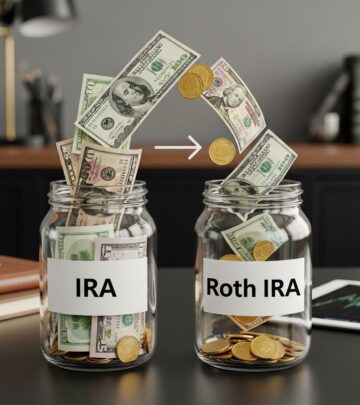
Mastering the Backdoor Roth IRA Strategy
Unlock Roth IRA benefits for high earners: Learn the step-by-step process, tax pitfalls, and smart strategies to maximize tax-free retirement growth.
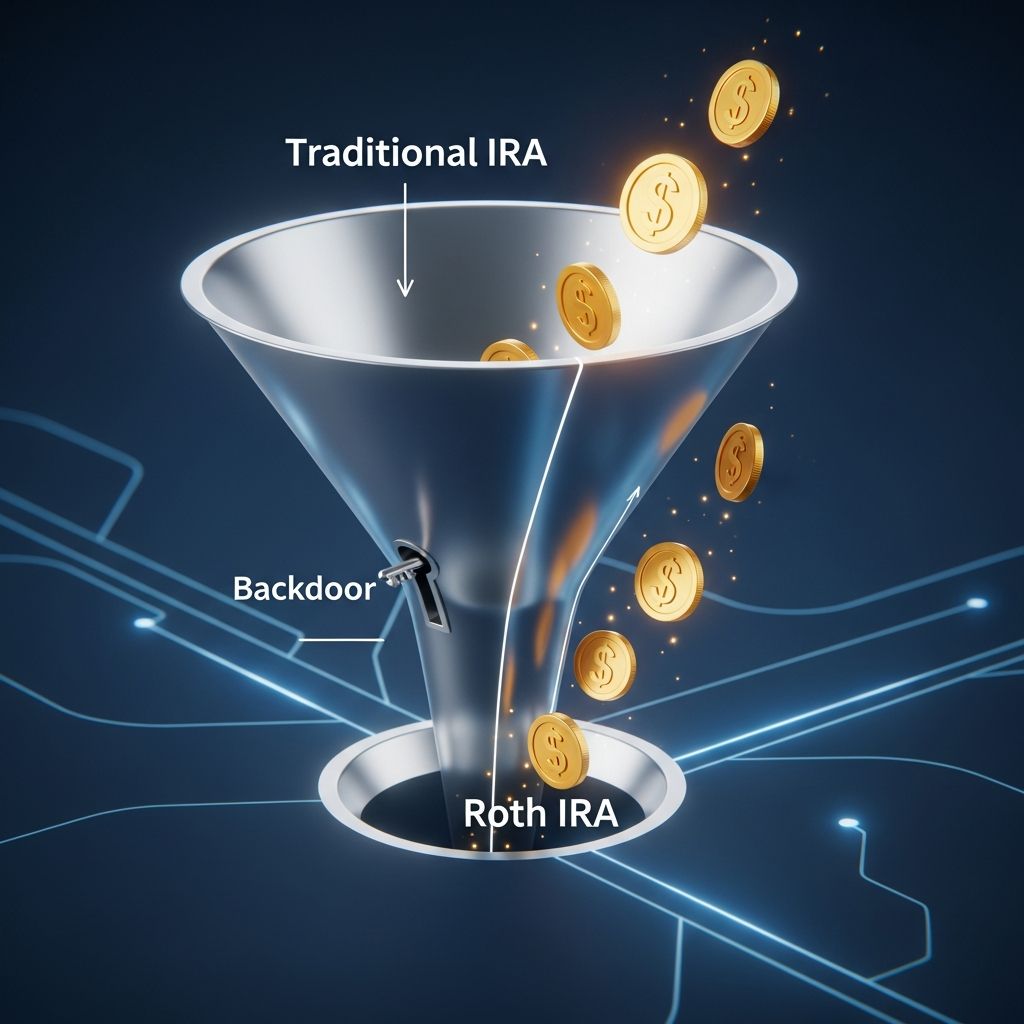
The backdoor Roth IRA offers a powerful workaround for individuals whose incomes exceed direct Roth IRA contribution thresholds, enabling access to tax-advantaged retirement savings through a simple two-step process.
Understanding Roth IRA Fundamentals
Roth IRAs stand out in retirement planning due to their unique tax treatment. Contributions use after-tax dollars, allowing qualified withdrawals—including earnings—to occur tax-free after age 59½ and a five-year holding period. This contrasts with traditional IRAs, where contributions may be deductible upfront but withdrawals are taxed as ordinary income.
Key advantages include no required minimum distributions (RMDs) during the owner’s lifetime, providing flexibility to let funds compound indefinitely. This makes Roth IRAs ideal for estate planning, as heirs inherit tax-free growth potential.
Why High Earners Need the Backdoor Approach
IRS rules impose strict income limits on direct Roth IRA contributions. For 2025, single filers with modified adjusted gross income (MAGI) above $161,000 face phase-outs, with full ineligibility at $176,000. Married couples filing jointly hit limits starting at $240,000, fully phased out by $255,000. These thresholds block many professionals from direct contributions despite their desire for Roth benefits.
The backdoor method circumvents this by leveraging traditional IRA rules, which have no income limits for nondeductible contributions, followed by a Roth conversion available to anyone regardless of earnings.
Step-by-Step Guide to Executing a Backdoor Roth IRA
- Open or Use a Traditional IRA: Fund a traditional IRA with nondeductible contributions up to the annual limit—$7,000 for 2025, or $8,000 if age 50 or older. Earned income must match or exceed this amount, though spousal IRAs offer exceptions.
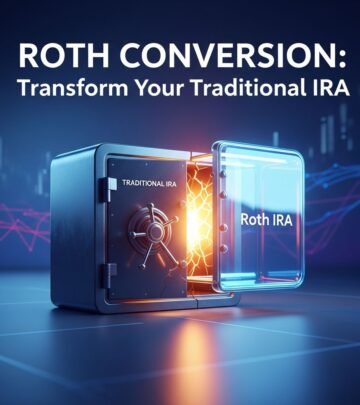
- Complete the Roth Conversion: Transfer the contribution to a Roth IRA shortly after funding. Conversions incur no income or age restrictions. If no pre-tax IRA balances exist, taxes on the conversion are minimal or zero since basis is already after-tax.
- Report Properly: File IRS Form 8606 with your tax return to document nondeductible contributions and track basis, preventing double taxation later.
This process can repeat annually, amplifying long-term tax-free growth.
Navigating the Pro Rata Rule: A Major Hurdle
The pro rata rule aggregates all traditional, SEP, and SIMPLE IRAs, treating conversions as proportional draws from pre-tax and after-tax funds. For instance, with $93,000 pre-tax and $7,000 after-tax (total $100,000), converting $7,000 deems 93% taxable, adding unexpected income.
| Scenario | Pre-Tax Balance | After-Tax Contribution | Total IRA Value | Taxable Portion on $7,000 Conversion |
|---|---|---|---|---|
| Clean Slate | $0 | $7,000 | $7,000 | $0 (0%) |
| Mixed Funds | $93,000 | $7,000 | $100,000 | $6,510 (93%) |
| High Pre-Tax | $200,000 | $7,000 | $207,000 | $6,966 (99.7%) |
Avoidance strategies include rolling pre-tax IRAs into a 401(k) if permitted, isolating after-tax funds.
Tax Implications and Potential Pitfalls
While conversions of pure after-tax contributions are tax-efficient, pro rata complications can inflate liabilities. Post-2018 Tax Cuts and Jobs Act, recharacterizations—undoing conversions—are prohibited, making decisions irrevocable.
- Form 8606 Errors: Failure to file leads to penalties and assumes full deductibility, triggering taxes on future distributions.
- Five-Year Rule: Earnings withdrawn early face 10% penalties unless account meets holding requirements.
- Medicare Premiums: Added income from taxable conversions may raise future premiums via IRMAA surcharges.
Consult tax professionals to model scenarios accurately.
Ideal Candidates and When to Skip It
This strategy suits high earners maxing employer plans like 401(k)s, seeking tax diversification. It’s less ideal if pro rata applies heavily or short-term tax hits outweigh long-term gains.
- Best For: Clean IRA slate, stable high income, long horizon to retirement.
- Avoid If: Existing pre-tax IRAs can’t roll over, expecting lower future tax brackets, or uncomfortable with complexity.
Advanced Tactics for Optimization
Beyond basics, consider mega backdoor Roth via 401(k) after-tax contributions if available. Time conversions in low-income years to minimize brackets. For couples, coordinate spousal contributions.
Track basis meticulously across years; software or advisors aid compliance.
2025 Contribution Limits and Phase-Outs
| Filing Status | Full Contribution MAGI | Phase-Out Range | No Contribution Above |
|---|---|---|---|
| Single/Head of Household | < $146,000 | $146,000–$161,000 | $161,000 |
| Married Filing Jointly | < $230,000 | $230,000–$240,000 | $240,000 |
Note: Limits adjust annually for inflation; verify IRS updates.
Common Missteps and How to Avoid Them
- Mistake: Delaying conversion, risking market gains taxed pro rata.
- Solution: Convert promptly after contribution.
- Mistake: Overlooking aggregation across all IRAs.
- Solution: Consolidate or rollover pre-tax funds first.
- Mistake: Forgetting Form 8606.
- Solution: File annually or face audits.
Long-Term Benefits in Retirement Planning
Backdoor Roths enhance portfolio flexibility, hedging against tax rate hikes. No RMDs preserve principal for heirs, who enjoy tax-free inheritances if rules followed.
Frequently Asked Questions (FAQs)
Can I do a backdoor Roth if I have a 401(k)?
Yes, it complements employer plans, ideal after maxing 401(k) limits.
Is the backdoor Roth legal?
Yes, IRS explicitly permits it, though proposals to close it have failed.
What if I have SEP or SIMPLE IRAs?
They aggregate under pro rata; rollover to employer plans if possible.
How soon after contribution can I convert?
Immediately; same-day is fine to minimize taxable growth.
Does it affect financial aid or taxes now?
Conversions count as income, potentially impacting brackets or aid.
Final Considerations Before Starting
Weigh complexity against benefits. Model taxes with software or advisors. This strategy thrives with discipline but falters without planning.
References
- How a Backdoor IRA Works — and Its Drawbacks Explained — Pacific Tax. 2025. https://pacifictax.com/blog/how-a-backdoor-ira-works-and-its-drawbacks-explained/
- Backdoor Roth IRA: Is it right for you? — Fidelity Investments. 2025. https://www.fidelity.com/learning-center/personal-finance/backdoor-roth-ira
- Backdoor Roth IRA: What it is and how to set it up — Vanguard Investor Resources. 2025. https://investor.vanguard.com/investor-resources-education/article/how-to-set-up-backdoor-ira
- What Is a Backdoor Roth IRA Contribution? — Wealthspire. 2025. https://www.wealthspire.com/financial-dictionary/what-is-a-backdoor-roth-ira-contribution/
- What is a Backdoor Roth IRA and How Does it Work? — Equifax. 2025. https://www.equifax.com/personal/education/personal-finance/articles/-/learn/backdoor-roth-ira/
Similar Articles








Read full bio of medha deb