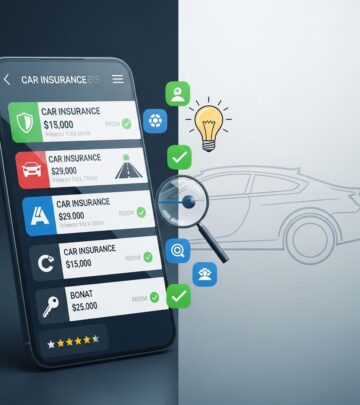
Mastering Auto Insurance Quote Comparisons
Unlock savings and smarter choices with expert strategies for comparing car insurance quotes effectively in today's market.

Comparing auto insurance quotes is essential for drivers seeking affordable yet comprehensive coverage. By evaluating multiple options systematically, individuals can identify policies that align with their needs and budget, potentially saving hundreds annually.
Why Compare Insurance Quotes?
Insurance premiums fluctuate based on numerous variables, including location, driving history, and vehicle type. Rates differ across providers due to proprietary algorithms, making direct comparisons vital. A side-by-side review reveals not just the lowest price but the best value, factoring in coverage quality and service reliability.
Shoppers who compare every six months often uncover better deals, as market conditions and personal circumstances evolve. This practice ensures ongoing protection without overpaying for redundant features.
Preparing to Shop for Quotes
Effective comparison starts with preparation. Gather essential documents to streamline the process and ensure accuracy across quotes.
- Personal details: Date of birth, driver’s license number, and residential address for all household drivers.
- Vehicle information: Make, model, year, mileage, Vehicle Identification Number (VIN), and security features like anti-theft systems.
- Driving history: Records of accidents, tickets, or violations from the past three to five years.
- Current policy: Declarations page outlining existing coverages, limits, and deductibles for reference.
Assess your state’s minimum liability requirements first, then decide on higher limits for added security. Consider if comprehensive or collision coverage suits your situation, especially for financed vehicles.
Understanding Key Coverage Components
To compare fairly, standardize coverage across quotes. Key elements include:
| Coverage Type | Description | Typical Limits Example |
|---|---|---|
| Liability | Pays for others’ damages/injuries in at-fault accidents | 100/300/50 ($100K per person/$300K per accident/$50K property) |
| Collision | Covers your vehicle repairs after a crash | Matches vehicle value, with chosen deductible |
| Comprehensive | Handles non-collision damage like theft or weather | Matches vehicle value, with chosen deductible |
| Uninsured/Underinsured Motorist | Protects against drivers without sufficient coverage | Matches liability limits |
Match deductibles—common options are $500, $1,000, or $2,500—and limits precisely when requesting quotes. Overlooking differences can mislead on true costs.
Leveraging Online Comparison Tools
Digital platforms simplify quote gathering by aggregating data from dozens of insurers. Enter details once to receive tailored rates displayed side-by-side, highlighting carriers, premiums, coverages, and add-ons.
These tools pull real-time quotes, often from over 100 companies, allowing filters by price, coverage, or discounts. They guide users through inputs like ZIP code, vehicle specs, and profile data, generating personalized results quickly.
Benefits include time savings and broad market access, but verify quotes lead to actual policies. Some platforms offer agent support for complex needs.
Step-by-Step Guide to Getting and Comparing Quotes
- Define needs: List required coverages, desired limits, and extras like roadside assistance or rental reimbursement.
- Collect quotes: Use 3-5 comparison sites or contact providers directly; aim for at least three options.
- Standardize terms: Adjust each quote to identical coverages and deductibles.
- Analyze costs: Compare annual premiums, monthly payments, and multi-year discounts.
- Review extras: Note bundling (e.g., home/auto), safe driver perks, or good student reductions.
Present quotes in a spreadsheet for clarity:
| Provider | Annual Premium | Liability Limits | Deductible | Discounts Applied |
|---|---|---|---|---|
| Provider A | $1,200 | 100/300/50 | $1,000 | Multi-policy, safe driver |
| Provider B | $1,350 | 100/300/50 | $1,000 | Good student |
| Provider C | $1,100 | 100/300/50 | $1,000 | Bundling, military |
Factors Influencing Premium Differences
Even with identical coverages, quotes vary due to:
- Personal risk profile: Age, credit score (where legal), and claims history.
- Vehicle risk: Safety ratings, repair costs, and theft rates.
- Location: Accident frequency, theft stats, and weather risks in your area.
- Insurer algorithms: Each uses unique models to predict claim likelihood.
State Farm notes premiums fund future claims, so providers balance risk differently.
Evaluating Beyond Price: Service and Reliability
Price isn’t everything. Investigate customer service via reviews on claims handling and responsiveness. Check financial stability ratings from agencies like A.M. Best.
Seek policies with easy claims apps, 24/7 support, and high satisfaction scores. Discounts can tip scales—multi-vehicle, loyalty, or telematics-based safe driving programs.
Common Pitfalls to Avoid
Drivers often err by:
- Comparing unequal coverages, inflating savings illusions.
- Ignoring add-ons that inflate base rates.
- Overlooking policy periods or payment terms.
- Not updating info post-life changes like moves or new cars.
Always request full policy details before binding coverage, and confirm down payments if needed.
Timing Your Insurance Shopping
Compare during policy lapses or renewals, but shop anytime rates rise. Mid-week requests may yield better agent attention. Revisit every six months, as per industry advice.
Frequently Asked Questions
How many quotes should I get?
Aim for 3-5 from diverse providers for a balanced view without overwhelming analysis.
Do comparison sites provide binding quotes?
They offer estimates; contact insurers for official binding rates.
Can I switch mid-policy?
Yes, with no-lapse coverage; many offer prorated refunds.
What if my driving record changes?
Requote immediately—improvements lower rates, violations raise them.
Are discounts guaranteed?
No, eligibility varies; inquire specifically.
Final Strategies for Maximum Savings
Increase deductibles if you have savings buffers, bundle policies, maintain clean records, and use telematics for usage-based discounts. Annual reviews keep costs optimized.
By methodically preparing, standardizing, and scrutinizing quotes, drivers secure superior protection affordably. Start today for immediate impact.
References
- How to Compare Car Insurance Quotes — Travelers Insurance. 2023. https://www.travelers.com/resources/auto/insuring/how-to-compare-car-insurance-quotes
- Compare Car Insurance Rates Side-by-Side in 2026 — The Zebra. 2026. https://www.thezebra.com/auto-insurance/
- The Ultimate Guide to Comparing Auto Insurance Quotes — Obrella. 2024. https://www.obrella.com/news/the-ultimate-guide-to-comparing-auto-insurance-quotes/
- Car Insurance Quotes Comparison — GEICO. 2025. https://www.geico.com/auto-insurance/comparison/
- How Do I Compare Car Insurance Quotes? SUPER EASY! NDQ S1E2 — YouTube (NDQ). 2024-05-15. https://www.youtube.com/watch?v=_I6UVj8FflE
- How to Estimate Car Insurance Costs Before Buying — Kelley Blue Book. 2025. https://www.kbb.com/car-advice/estimate-car-insurance-costs-before-buying/
- How Is Car Insurance Calculated? — State Farm. 2025. https://www.statefarm.com/simple-insights/auto-and-vehicles/what-affects-car-insurance-premiums
Similar Articles








Read full bio of Sneha Tete