Mastering ATM Use: Complete Guide To Safe Transactions
Unlock safe and efficient ATM transactions with expert tips on security, common transactions, and fraud prevention strategies.
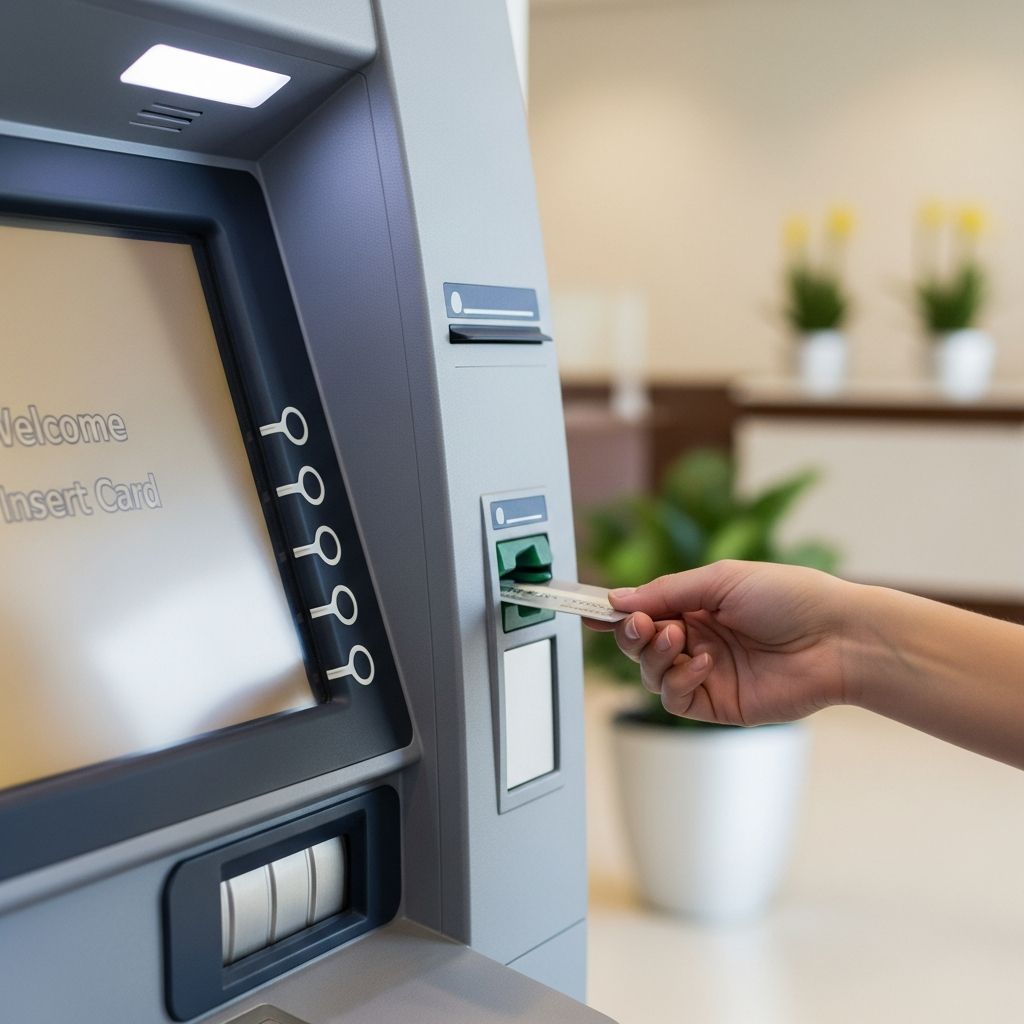
Automated Teller Machines (ATMs) offer round-the-clock access to cash, deposits, and account information without needing a bank teller. This guide provides a comprehensive overview of locating ATMs, executing transactions safely, and implementing security measures to safeguard your finances.
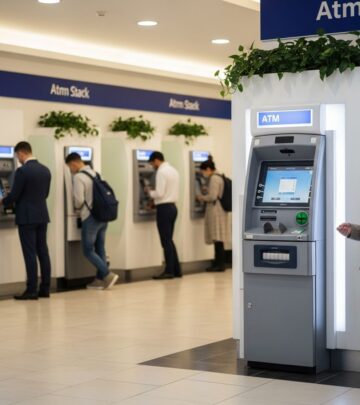
Locating Reliable ATMs Near You
Finding a trustworthy ATM is the first step to seamless banking. Use your bank’s mobile app or website to search for in-network machines, which avoid out-of-network fees. These tools often display maps highlighting nearby options based on your location.
- Opt for ATMs inside bank branches for added security and surveillance.
- Avoid standalone machines in high-risk areas, especially after dark.
- Check for fee-free networks like CO-OP to maximize savings on surcharge costs.
Drive-up ATMs provide convenience but require extra caution: keep doors locked and windows up except for the driver’s side.
Essential Preparations Before Approaching an ATM
Preparation minimizes time spent at the machine, reducing exposure to potential threats. Memorize your PIN and have your card ready. Shield your eyes from distractions by scanning the area first.
| Preparation Step | Why It Matters |
|---|---|
| Memorize PIN | Prevents writing it down or sharing accidentally |
| Inspect machine visually | Detects skimming devices or tampering |
| Have card in hand | Reduces fumbling and exposure time |
Step-by-Step Guide to Common ATM Transactions
Withdrawing Cash
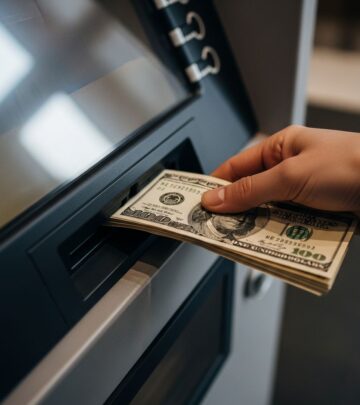
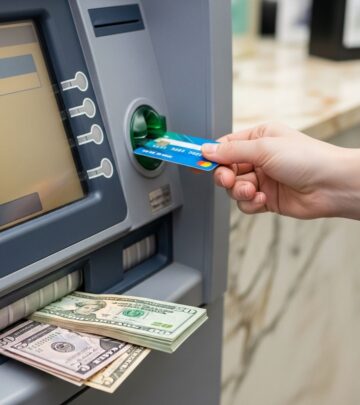
Insert your card, enter your PIN, and select withdrawal. Choose the amount, confirm, and take your cash and receipt. For drive-ups, pocket everything before driving off.
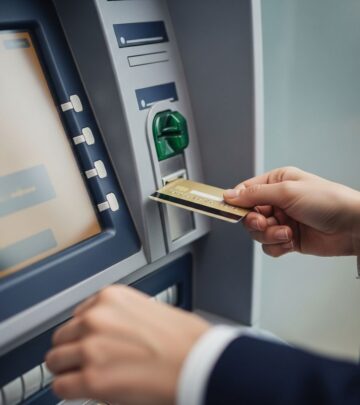
- Insert debit or ATM card face up.
- Shield PIN entry with your free hand.
- Select account and amount.
- Verify transaction details.
- Retrieve card, cash, and receipt promptly.
Making Deposits
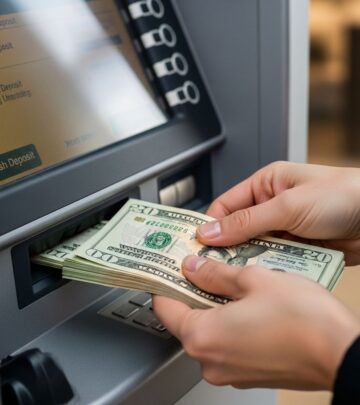
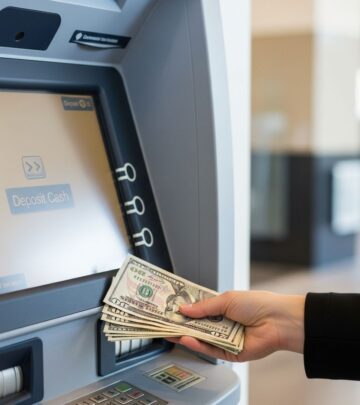
Prepare your deposit envelope or use envelope-free machines. Endorse checks with ‘For Deposit Only’ and your account number. Modern ATMs scan checks instantly for quicker crediting.
- Verify deposit amount on screen before confirming.
- Retain receipts to match against statements.
Checking Balances and Transfers
These quick functions help monitor funds without withdrawals. Select balance inquiry or transfer, then review the printed or on-screen summary. Transfers between your own accounts are typically free.
Advanced Security Protocols for ATM Users
Security starts with vigilance. Always inspect the card reader for overlays—loose, sticky, or bulky attachments signal skimmers. Press the keypad firmly; resistance may indicate hidden devices.
Key Safety Practices
- Stand alert to surroundings; cancel if anyone lingers too close.
- Use body to block PIN view from cameras or onlookers.
- Minimize time: pre-plan transactions.
- For night use, bring a companion or choose indoor lobbies.
- Post-transaction, drive to a safe spot to count cash.
Drive-up specifics: Keep engine running, doors locked. Indoor: Lock your vehicle and take keys.
Recognizing and Countering ATM Fraud Threats
Skimming captures card data via fake readers; shimming targets chip cards. Cameras record PINs. Counter by tugging card slots gently—if they wobble, leave.
Deep insert skimmers blend seamlessly; feel for unusual thickness. Report suspicious machines to the bank immediately.
| Fraud Type | Signs | Prevention |
|---|---|---|
| Skimming | Loose reader, adhesive residue | Inspect and tug components |
| Camera | Tiny lens above keypad | Cover entry with hand |
| Shoulder Surfing | Loiterers nearby | Scan area, step away if needed |
What to Do If Issues Arise
ATM retains card? Do not re-enter PIN—contact the bank via posted number. Lost card? Report within two business days for zero liability on unauthorized use (federal law limits to $50 if prompt).
- Monitor accounts weekly via app for anomalies.
- Dispute errors within 60 days per Regulation E.
- Freeze cards instantly through mobile banking.
Drive-Up vs. Walk-Up ATM Differences
Walk-up ATMs suit pedestrians; prioritize well-lit, high-traffic spots. Drive-ups favor quick access but heighten carjacking risks—survey mirrors before and after.
Both demand receipt collection; shred old ones securely.
Maximizing ATM Efficiency and Savings
Decline cash advances on credit cards due to high fees (3-5%). Use savings-linked cards for larger withdrawals to avoid overdraft.
- Track limits: typically $300-$500 daily.
- Combine visits: withdraw, deposit, balance check in one go.
Frequently Asked Questions (FAQs)
What if my card gets stuck in the ATM?
Cancel the transaction and call the bank’s 24/7 line. Never leave without contacting support.
Are there fees for using another bank’s ATM?
Yes, surcharges ($2-5) apply; check networks to waive them.
How quickly do deposits post?
Cash often immediate; checks up to two days, per federal rules.
Can I use ATMs abroad?
Yes, notify your bank first to avoid fraud flags; watch currency conversion fees.
What if I suspect skimming happened?
Monitor statements, change PIN, notify bank for new card.
Long-Term Habits for Financial Protection
Integrate ATM safety into routines: enable transaction alerts, use virtual cards for online, diversify banking apps. Educate family on these protocols.
Annual PIN changes and biometric options (fingerprint/thumbprint ATMs) enhance security where available.
References
- Safety Tips for ATM Use — DC Department of Insurance, Securities and Banking. 2023. https://disb.dc.gov/sites/default/files/dc/sites/disb/page_content/attachments/DISBConsumerGuideSafetyTipsforATMUse.pdf
- ATM Security Tips — Citibank. 2022. https://online.citi.com/JRS/popups/ATM_Security_Tips_Insert_ADA.pdf
- How to Use an ATM: A Guide — Chase Bank. 2025. https://www.chase.com/personal/banking/education/basics/how-to-use-an-atm
- Five Tips for Protecting Yourself at ATMs — United Nations Federal Credit Union. 2024. https://www.unfcu.org/financial-wellness/protect-yourself-at-atms/
- 5 Steps to ATM Safety — Library of Congress Federal Credit Union. 2024. https://www.lcfcu.org/5-steps-to-atm-safety/
Similar Articles








Read full bio of Sneha Tete