70-20-10 Budget Rule: A Simple Guide To Smarter Budgeting
Learn how the 70-20-10 budget rule helps you simplify money management, save more, and reach financial goals with confidence.
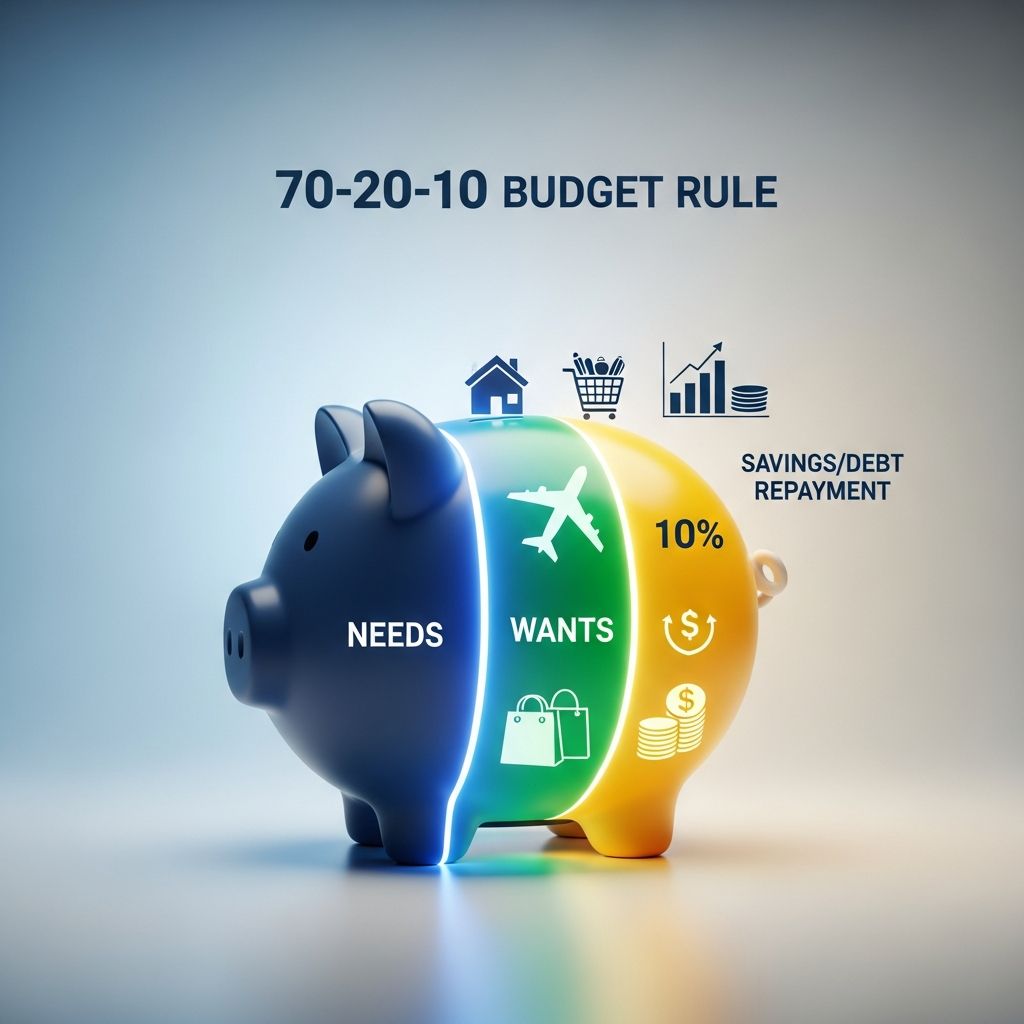
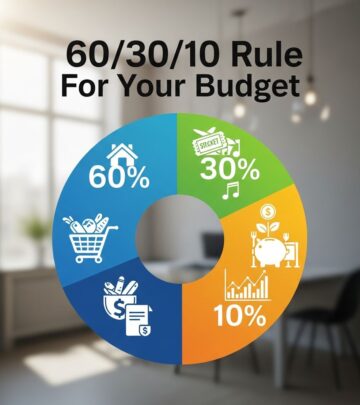
The 70-20-10 budget rule is a simple way to manage your money by dividing your take-home income into three clear categories: spending, saving, and giving or extra goals. It is designed to be easy to remember, flexible, and supportive of both your current lifestyle and your future financial security.
What is the 70-20-10 Budget Rule?
The 70-20-10 budget is a guideline that tells you how to allocate your after-tax income each month:
- 70% for living expenses and day-to-day spending
- 20% for saving and debt repayment
- 10% for investing, additional debt payoff, or donations
This rule gives you a clear structure so you always know where your money should go, while still allowing room to adjust based on your income, debt, and priorities.
How the 70-20-10 Budget Works
The 70-20-10 budget works by assigning each dollar of your take-home pay to a specific purpose. Instead of tracking every single purchase in detail, you focus on staying within the three main percentage buckets. This makes budgeting more manageable and less overwhelming for many people.
| Category | Percentage of Take-Home Pay | Primary Purpose |
|---|---|---|
| Living expenses & everyday spending | 70% | Cover needs and wants such as housing, food, transportation, and fun |
| Savings & debt repayment | 20% | Build emergency savings, pay down debt, and work toward short-term goals |
| Investing, extra goals, or giving | 10% | Invest for the long term, make extra debt payments, or support charities |
The 70%: Living Expenses and Everyday Spending
The largest part of the rule is the 70% category, which covers both your essential and nonessential spending. Unlike some other budget systems, the 70-20-10 rule groups your needs and wants together in one spending bucket.
What typically goes into the 70%
- Rent or mortgage payments
- Utilities (electricity, gas, water, trash)
- Phone and internet service
- Groceries and household supplies
- Transportation costs (fuel, public transit, parking)
- Insurance premiums paid monthly (auto, renters, health, etc.)
- Childcare or school-related costs
- Minimum payments on debts such as credit cards or loans
- Discretionary spending like dining out, streaming services, hobbies, and entertainment
Why keeping expenses within 70% matters
Keeping your living expenses at or below 70% of your take-home pay helps ensure you have enough room in your budget to save, pay down debt, and pursue long-term goals. Overspending on everyday living is one of the main reasons people struggle to build savings, so this cap works as a guardrail.
Tips to manage your 70% spending
- Track your spending for at least one month to see where your money is going.
- Identify a few categories where you can realistically cut back (for example, subscriptions or frequent takeout).
- Automate bills where possible to avoid late fees.
- Consider negotiating recurring expenses, such as internet or phone plans, for better rates.
The 20%: Savings and Debt Repayment
The 20% category is where you focus on improving your financial foundation. This portion of your budget is set aside for savings, investing for near-term goals, and paying down debt beyond the minimum payments.
What should go into the 20%
- Emergency fund contributions until you reach a target of at least three to six months of essential expenses.
- High-yield savings for short-term goals like a vacation, moving costs, or a wedding.
- Extra debt payments on high-interest credit cards, personal loans, or other expensive debt.
- Retirement savings not already deducted from your paycheck (for example, IRA contributions if you are not maxing out employer plans).
Prioritizing within the 20%
In practice, you may not be able to do everything at once. A common order of priority is:
- Build a basic emergency fund so you have a buffer against unexpected expenses.
- Pay down high-interest debt, especially credit card balances, as these can grow quickly and create long-term financial strain.
- Increase retirement savings to take advantage of employer matches and compound growth over time.
- Save for short-term and medium-term goals like a down payment or education costs.
Why this 20% is so powerful
Directing a consistent 20% toward savings and debt repayment helps you move from simply covering bills to actively improving your net worth. Over time, this can reduce financial stress, increase resilience to shocks, and bring you closer to long-term financial independence.
The 10%: Investing, Extra Debt Payoff, or Giving
The final 10% of the 70-20-10 budget is a flexible category that can support your values and long-term plans. You can direct this portion toward extra investments, additional debt repayment, or charitable giving, depending on what matters most to you.
Common ways to use the 10%
- Investing for long-term goals such as retirement, financial independence, or education savings (for example, in tax-advantaged accounts where applicable).
- Making extra principal payments on low- or moderate-interest debts (such as student loans or mortgage) after high-interest debts are under control.
- Donations and charitable giving to causes, organizations, or faith communities you want to support.
Aligning the 10% with your values
This part of the budget can be especially motivating. Using 10% to invest or give lets you see your money as a tool for impact and growth, not just a way to cover bills. You can also rotate how you use this category over time as your goals change.
Example of the 70-20-10 Budget Rule in Action
To see how the 70-20-10 budget works, imagine someone with a monthly take-home income of $6,000 after taxes.
| Category | Percentage | Dollar Amount (on $6,000) | Example Uses |
|---|---|---|---|
| Living expenses & spending | 70% | $4,200 | Rent, utilities, groceries, transportation, minimum debt payments, entertainment |
| Savings & debt repayment | 20% | $1,200 | Emergency fund, extra credit card payments, short-term savings goals |
| Investing or giving | 10% | $600 | Additional retirement investing, extra student loan payment, or charitable giving |
You can repeat these calculations for your own income by multiplying your monthly take-home pay by 0.70, 0.20, and 0.10.
Steps to Start Using the 70-20-10 Budget
Getting started does not require complex tools. You can use a spreadsheet, a budgeting app, or even a notebook. The key is to know your income and track your progress.
1. Calculate your monthly take-home pay
Use your pay stubs to determine how much you receive after taxes and any automatic deductions. If you have irregular income, you can use an average of the last several months or a conservative estimate.
2. Run the 70-20-10 calculations
- Multiply your monthly income by 0.70 to find your spending limit.
- Multiply your monthly income by 0.20 to find your savings and debt repayment amount.
- Multiply your monthly income by 0.10 to determine your investing or giving amount.
3. List your current expenses and payments
Write down your regular bills and typical monthly spending in broad categories such as housing, food, transportation, debt payments, and nonessential spending. Compare the total to your 70% limit to see whether your current lifestyle fits within the guideline.
4. Make adjustments as needed
If your spending is over 70%, look for areas to reduce costs or consider how you might increase income over time. If you cannot immediately reach the exact 70-20-10 split, you can move toward it gradually as you make changes.
5. Automate what you can
- Set up automatic transfers for your 20% savings on payday so it is prioritized.
- Schedule automatic contributions to investment or retirement accounts.
- Automate recurring bills to avoid missed payments and late fees.
Benefits of the 70-20-10 Budget Rule
The 70-20-10 method is popular because it balances simplicity with effectiveness, especially for people who want structure without tracking every single transaction.
Key advantages
- Easy to remember and apply: Only three categories and simple percentages make it practical for everyday use.
- Supports saving and debt reduction: The rule reserves 30% of your income for building wealth and paying down debt, which can significantly improve your financial position over time.
- Flexible and customizable: You can direct the 10% toward whatever matters most—investing, extra debt payments, or giving—and adjust the rule as your situation changes.
- Works as a starting framework: If you have never budgeted before, the 70-20-10 rule provides a simple starting point you can refine.
Limitations and When the 70-20-10 Rule Might Not Fit
No single budgeting rule works for everyone. Your income, debt level, location, and family situation may mean you need to modify or temporarily step away from this structure.
Common challenges
- High cost of living: In areas where housing and basic expenses are very expensive, your necessary spending might naturally exceed 70%, leaving less room for savings.
- Heavy debt load: If you have significant high-interest debt, you may want or need to devote more than 20–30% of your income to repayment for a period of time.
- Irregular income: Freelancers or commission-based workers may find that strict monthly percentages are harder to apply and might be better served by using average income and larger cash buffers.
Adjusting the rule to your life
The 70-20-10 budget is a guideline, not a rigid requirement. You can adjust the percentages to match your reality—for example, 65-25-10 if you can save more, or 75-15-10 if you are working to gradually reduce expenses. The goal is to create a sustainable plan that still prioritizes saving and long-term security.
70-20-10 vs. Other Popular Budgeting Rules
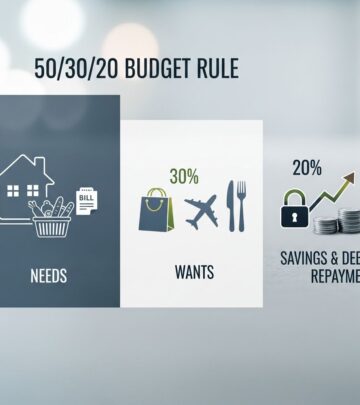
The 70-20-10 rule is one of several percentage-based budgeting methods. One of the most commonly discussed alternatives is the 50-30-20 rule, which allocates 50% to needs, 30% to wants, and 20% to savings. Both approaches aim to balance current spending with future goals.
| Budget Rule | Needs | Wants | Savings / Debt / Investing | Main Strength |
|---|---|---|---|---|
| 70-20-10 | Included in 70% | Included in 70% | 30% total (20% + 10%) | Very simple categories and flexible 10% bucket |
| 50-30-20 | 50% | 30% | 20% | Clear separation between needs and wants |
Choosing between them depends on how much structure you want and how high your current expenses are. Many people experiment with multiple approaches and then keep the parts that work best for them.
Frequently Asked Questions (FAQs)
Q: What is the 70-20-10 rule of budgeting?
A: The 70-20-10 rule is a budgeting guideline that divides your after-tax income into three parts: 70% for living expenses and other spending, 20% for saving and debt repayment, and 10% for investing, extra debt payoff, or donations.
Q: How do I start using the 70-20-10 budget?
A: First, calculate your monthly take-home pay. Then multiply that number by 0.70, 0.20, and 0.10 to find your spending, saving, and investing/giving amounts. Next, list your current expenses and adjust your spending so that it fits within your 70% limit while consistently directing 20% and 10% to your priorities.
Q: Does the 70-20-10 rule include retirement savings?
A: Yes. Retirement savings that you control directly, such as contributions to an IRA or additional voluntary contributions to retirement accounts, generally come from the 20% savings and debt repayment bucket or the 10% investing bucket. Pre-tax contributions deducted before you receive your paycheck may be counted separately when you calculate your take-home pay.
Q: What if my expenses are more than 70% of my income?
A: If your essential expenses already exceed 70% of your take-home pay, you can still use the 70-20-10 rule as a goal. Start by tracking your spending, then gradually reduce costs where possible, look for opportunities to increase income, and try to move closer to the 70% target over time. In the meantime, direct whatever you can toward savings and debt repayment, even if it is less than 20–30%.
Q: Is the 70-20-10 rule better than the 50-30-20 rule?
A: Neither rule is universally better; each is simply a framework. The 70-20-10 rule works well if you prefer fewer categories and a larger flexible spending bucket. The 50-30-20 rule may be helpful if you want a clearer distinction between needs and wants. You can try both and adjust the percentages until you find a structure that fits your situation and goals.
References
- The 70-20-10 Rule for Budgeting — SoFi. 2023-10-13. https://www.sofi.com/learn/content/70-20-10-rule/
- 70-20-10 Rule: Effective Budgeting Strategy — Business Insider. 2023-09-05. https://www.businessinsider.com/personal-finance/banking/70-20-10-budget
- Understanding the 70-20-10 Rule for Smart Budgeting — HDFC Life. 2024-01-08. https://www.hdfclife.com/savings-plans/70-20-10-rule
- What is the 70-20-10 Budget in Personal Finance? — Marietta Wealth. 2022-11-21. https://www.mariettawealth.com/what-is-the-70-20-10-budget-in-personal-finance/
- Budget rules: what are they and which is best for you? — OneFamily. 2023-06-30. https://www.onefamily.com/savings/budget-rules-what-are-they-and-which-is-best-for-you/
Similar Articles








Read full bio of Sneha Tete