Master Your Spending with Smart Budget Tools
Discover powerful spending analysis tools and budgeting strategies to gain control over your finances and achieve lasting financial wellness.
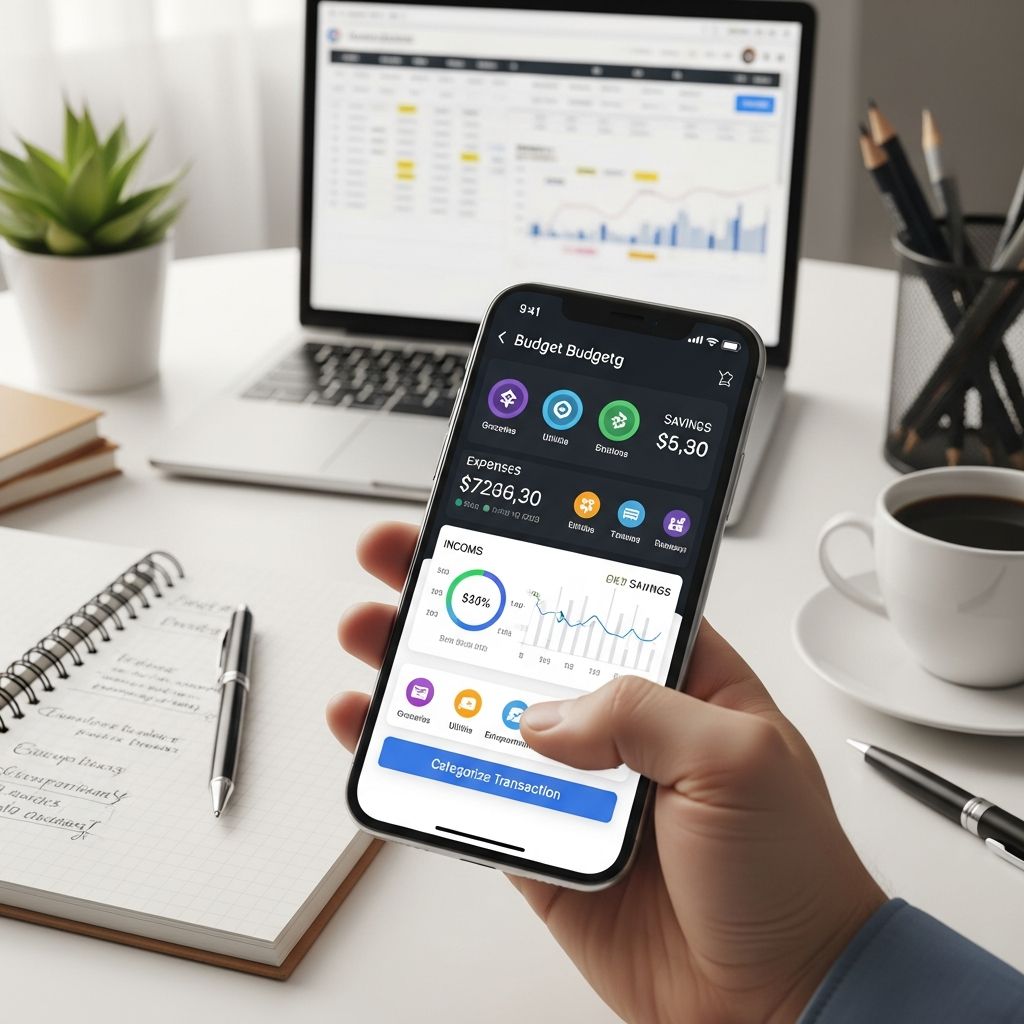
Effective money management begins with understanding where your dollars go each month. Modern digital tools make it easier than ever to monitor transactions, categorize expenses, and create tailored budgets that align with your lifestyle. These resources help users visualize spending patterns, receive timely alerts, and adjust habits for better financial outcomes.
Why Tracking Expenses Matters for Financial Success
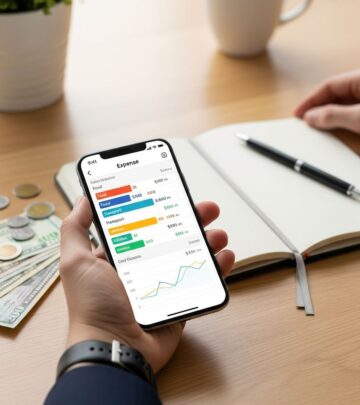
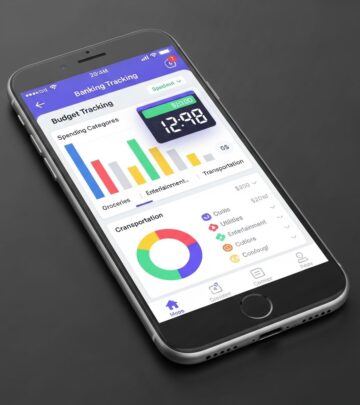
Many people live paycheck to paycheck because they lack visibility into their cash flow. Spending trackers automatically classify purchases into categories like groceries, entertainment, or utilities, revealing hidden leaks in your budget. For instance, automatic categorization simplifies spotting overspending trends, such as frequent dining out that exceeds planned limits.
By comparing your habits to national or peer averages, you gain perspective. Tools often show how ‘people like you’ allocate funds, motivating adjustments. This data-driven approach fosters accountability and empowers informed decisions, turning vague financial goals into achievable plans.
- Identifies unnecessary expenses quickly.
- Provides visual charts for easy comprehension.
- Supports real-time updates without manual input.
Key Features of Top Spending Analysis Platforms
Leading budgeting tools integrate seamlessly with bank accounts, offering a unified dashboard for all transactions. Users can set custom spending caps per category, receiving notifications as limits near. Progress tracking over months allows for refinements based on income changes or seasonal costs.
Personalization stands out: some platforms tailor insights to your profile, suggesting savings goals or debt payoff strategies. Mobile access ensures monitoring on the go, with features like weekly spending snapshots and transaction searches enhancing usability.
| Feature | Description | Benefit |
|---|---|---|
| Auto-Categorization | AI sorts transactions into predefined groups | Saves time, highlights patterns |
| Spending Alerts | Notifies when approaching limits | Prevents overspending |
| Goal Setting | Tracks progress toward savings targets | Motivates consistent habits |
| Peer Comparison | Benchmarks against similar users | Offers motivational context |
Step-by-Step Guide to Setting Up Your Budget
Start by linking your accounts to the tool for instant data import. Review recent months’ transactions to establish baselines for essentials like housing and food. Allocate percentages: aim for 50% needs, 30% wants, and 20% savings or debt.
- Sign into your banking app or online portal.
- Select categories and input monthly limits based on averages.
- Enable alerts for 80% threshold breaches.
- Review weekly summaries and recategorize as needed.
- Adjust quarterly to reflect life changes.
This process demystifies budgeting, making it a habit rather than a chore. Integration eliminates app-switching, ensuring accuracy.
Overcoming Common Budgeting Challenges
Automated tools aren’t flawless; miscategorizations occur, requiring occasional manual tweaks. Limited to linked accounts, they may miss external holdings, so supplement with manual logs if needed. For multi-account users, consider apps supporting broader connections.
Irregular income poses hurdles—use average monthly figures or scenario planning. Behavioral resistance fades with gamified elements like progress bars, turning tracking into an engaging routine.
Tailoring Budgets for Different Life Stages
For Students and Young Adults
Early independence demands simple tools. Track student loans, part-time gigs, and fun spending to build discipline. Custom alerts prevent credit card overuse, while savings goals fund first apartments.
For Families and Multigenerational Households
Shared dashboards monitor collective expenses. Set sub-budgets for kids’ activities or elder care. Educational resources teach family members about finance, promoting unity.
For High Earners Seeking Optimization
Even ample income benefits from analysis. Identify luxury creep and redirect to investments. Peer comparisons adjust for lifestyle inflation.
Integrating Budget Tools with Mobile Banking
Mobile apps centralize control: transfer funds, pay bills, and send peer payments alongside budgeting. Virtual assistants like Erica provide instant queries on balances or trends. Security features ensure safe access from anywhere.
- 24/7 account monitoring.
- Quick transfers via Zelle or wires.
- Fraud alerts and security tips.
Advanced Strategies: Beyond Basic Tracking
Combine tools with methods like the envelope system—digitally allocate funds to virtual ‘envelopes.’ For non-traditional budgets, track only top categories (80/20 rule). Pair with debt snowball for payoff acceleration.
Set SMART goals: Specific, Measurable, Achievable, Relevant, Time-bound. Example: Save $500 for emergencies in 6 months by cutting subscriptions 20%.
Measuring Progress and Long-Term Impact
Monthly reviews chart net worth growth and category adherence. Celebrate milestones to sustain momentum. Over time, users report reduced stress and increased savings rates.
Financial wellness extends to investing links, previewing portfolio health alongside spending.
Frequently Asked Questions (FAQs)
What if the tool miscategorizes my expenses?
Most platforms allow one-tap edits, improving AI over time through user feedback.
Is it free to use these budgeting features?
Yes, for eligible account holders—no extra fees.
Can I track non-bank accounts?
Core functions focus on linked accounts; use companion apps for full aggregation.
How often should I review my budget?
Weekly checks and monthly deep dives recommended.
Does it work for irregular incomes?
Yes, via customizable periods and projections.
Real-World Tips for Sticking to Your Plan
Audit subscriptions quarterly. Use cash for discretionary spends to feel spending’s weight. Involve partners in setup for accountability. Apps with streaks or badges reinforce consistency.
For debt-heavy budgets, prioritize high-interest first. Build emergency funds covering 3-6 months’ expenses before aggressive investing.
References
- Bank of America Budgeting Tool Review 2025 | Pros and Cons — Bytes Media. 2025-05-12. https://www.youtube.com/watch?v=19rMcfG7SNs
- Spending analysis tool – Better Money Habits — Bank of America. Accessed 2026. https://bettermoneyhabits.bankofamerica.com/en/saving-budgeting/spending-tool
- How to Manage Spending – Spending Tools, Expense Tracking — Bank of America. Accessed 2026. https://info.bankofamerica.com/en/financial-health/managing-spending
- Mobile Banking App Features and Tools from Bank of America — Bank of America. Accessed 2026. https://info.bankofamerica.com/en/digital-banking/mobile-banking
- Budgeting & Money-Saving Tips for Students & Young Adults — Bank of America. Accessed 2026. https://info.bankofamerica.com/en/student-banking/spending-savings
Similar Articles








Read full bio of medha deb