Master Your Money: The Power of a Personal Spending Allowance
Discover how setting a personal spending allowance transforms impulsive habits into disciplined financial success for lasting wealth.
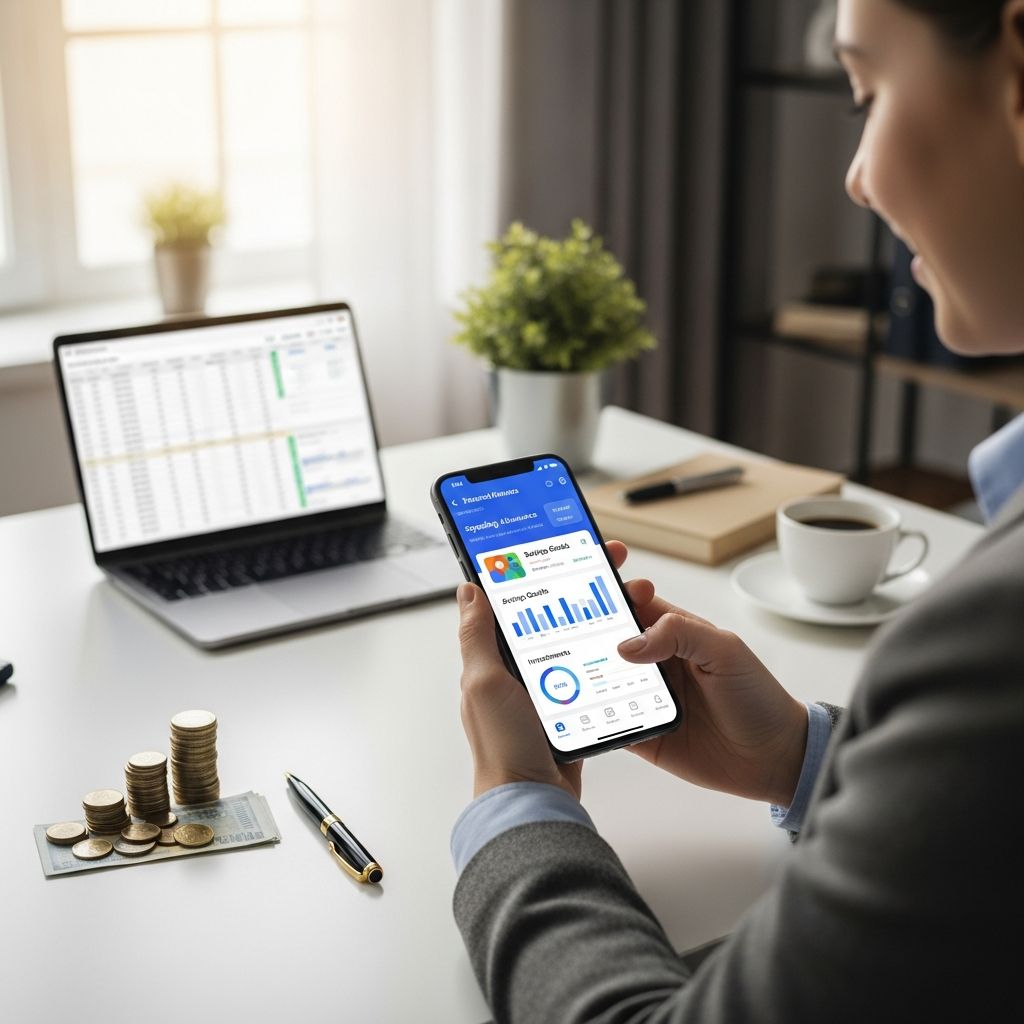
Implementing a personal spending allowance offers a straightforward strategy to regain control over finances by designating a fixed sum for non-essential purchases. This approach mirrors childhood lessons in money management but adapts them for adult responsibilities, fostering discipline without sacrificing enjoyment.
Understanding the Concept of a Personal Spending Allowance
A personal spending allowance functions as a self-imposed cap on discretionary expenditures, separate from funds allocated for necessities like housing, utilities, and savings. Unlike unrestricted access to bank accounts or credit lines, which often encourage impulsive decisions, this method creates a clear psychological and practical barrier against overspending.
Adults face unique challenges: steady incomes paired with easy credit availability can blur the lines between needs and wants. By pre-allocating a modest amount—say, weekly or monthly—individuals train themselves to prioritize, much like children learn with pocket money. This separation ensures essential bills remain untouched, promoting stability.
Key Advantages for Everyday Financial Health
Adopting this system yields multiple benefits that extend beyond mere budgeting.
- Establishes Firm Spending Limits: With cash or a dedicated card holding only the allowance, exceeding the limit becomes impossible, mimicking the tangible constraints of physical money.
- Encourages Mindful Delays: Larger desires require saving across periods, instilling patience and reducing regret from hasty buys.
- Prevents Unintended Debt: Isolating fun money safeguards core accounts, minimizing the risk of dipping into savings or racking up credit balances.
- Promotes Guilt-Free Enjoyment: Knowing expenditures fit within a planned budget eliminates post-purchase remorse, enhancing satisfaction.
- Simplifies Household Dynamics: Couples or families can each manage their portions independently, reducing conflicts over personal choices.
These perks compound over time, leading to higher savings rates and improved credit profiles, as consistent adherence avoids late payments or high utilization.
Real-Life Examples of Success
Consider a couple where one partner thrives on saving while the other prefers spontaneous outings. Allocating $75 weekly per person for personal use resolved tensions, allowing each freedom without judgment. Another individual set a $350 monthly limit, automatically deducting it post-bills, which curbed dining splurges and funded bigger goals like electronics.
In family settings, spouses might receive $500 bi-monthly covering groceries, gas, and hobbies. This forces trade-offs—skipping lunches to afford clothes—building resilience. One user noted eating simple meals toward month’s end, yet appreciated the no-guilt spending early on. These stories illustrate adaptability across incomes and lifestyles.
Step-by-Step Guide to Setting Up Your Allowance
Launching this system requires deliberate planning to ensure sustainability.
- Assess Your Current Finances: Track income minus fixed expenses (rent, loans, groceries) and savings goals to identify discretionary surplus.
- Choose Your Amount and Frequency: Opt for 5-10% of take-home pay, aligned with pay cycles—weekly for frequent earners, monthly for others. Factor in bill due dates.
- Select a Storage Method: Use cash for tangibility, a secondary checking account, prepaid debit, or rewards card (paid off monthly). Avoid linking to primary accounts.
- Track and Adjust: Log spends via apps; review quarterly to refine based on habits.
- Build Accountability: Share with a partner or use auto-transfers for enforcement.
| Frequency | Pros | Cons | Best For |
|---|---|---|---|
| Weekly | Frequent resets; aligns with paychecks | Requires discipline | Impulse-prone spenders |
| Bi-Weekly | Matches many payrolls | Longer temptation periods | Couples with joint bills |
| Monthly | Simpler tracking | Risk of rapid depletion | Patient planners |
Overcoming Common Hurdles
Resistance often stems from feeling restricted, yet reframing the allowance as ‘free money’ shifts mindset—spend it freely within bounds. If funds deplete early, analyze patterns: perhaps reclassify frequent ‘needs’ like coffee as discretionary to free up family budget.
For shared finances, negotiate equitable splits; one partner’s thrift can subsidize the other’s via surplus rollover. Digital tools, like bank-set limits, automate discipline for tech-savvy users. Persistence pays off—initial discomfort fades as habits solidify.
Long-Term Financial Transformations
Beyond immediate control, this practice cultivates broader skills. Users report doubled savings within months, as unspent portions roll into emergency funds or investments. It counters lifestyle inflation, where raises fuel extravagance rather than wealth-building.
Psychologically, it reinforces agency: decisions feel empowering, not deprived. Families teach children by example, perpetuating healthy norms. Over years, compounded restraint yields debt freedom and retirement readiness.
Integrating with Broader Budget Strategies
Pair allowances with zero-based budgeting, assigning every dollar a job. Use envelopes (digital or physical) for categories within the allowance—entertainment, apparel, dining. Apps like YNAB or Mint visualize adherence, gamifying progress.
For high earners, scale allowances proportionally to avoid excess. Low-income households might start tiny ($20/week) to build momentum. Always prioritize high-interest debt payoff before expanding fun funds.
Frequently Asked Questions
What if my allowance runs out early?
Embrace the limit: cook at home, borrow, or wait. This teaches value assessment and prevents debt.
Can couples use different amounts?
Yes, tailor to income or habits for fairness, discussing surpluses openly.
Is cash better than cards?
Cash enhances awareness via ‘pain of paying’; cards suit rewards but demand discipline.
How much should I allocate?
5-10% of disposable income; test and adjust based on goals.
Does this work for singles vs. families?
Universally effective—simplifies solo tracking, eases family negotiations.
Psychological Underpinnings of Success
Behavioral economics explains efficacy: finite resources trigger scarcity mindset, prompting wiser choices. No-guilt spending satisfies hedonic desires without derailing goals, balancing austerity with joy. Studies on self-control affirm structured limits outperform willpower alone.
In relationships, it mitigates ‘financial infidelity’ by transparently handling personal spends. Longitudinally, adherents exhibit lower stress and higher net worth, per anecdotal and expert observations.
References
- How to Use an Adult Allowance to Stick to Your Budget — Experian. 2023-10-15. https://www.experian.com/blogs/ask-experian/how-an-adult-allowance-can-improve-your-spending-habits/
- In Praise of the Adult Allowance — Get Rich Slowly. 2022-11-01. https://www.getrichslowly.org/in-praise-of-the-adult-allowance/
- Should You Give Yourself An Allowance? — Sunshine and Rainy Days. 2023-05-20. https://sunshineandrainydays.com/adult-allowance/
- How a Personal Spending Allowance Boosts Your Confidence — Everyday Cheapskate. 2024-02-10. https://www.everydaycheapskate.com/personal-spending-allowance/
- An ‘Adult Allowance’ From Your Bank Could Be All the Discipline — The Street. 2023-08-05. https://www.thestreet.com/personal-finance/an-adult-allowance-from-your-bank-could-the-discipline-you-need-14448293
- Reasons to Start an Allowance — 1st United Credit Union. 2024-01-12. https://www.1stunitedcu.org/more-for-you/financial-wellness/reasons-to-start-an-allowance
Similar Articles








Read full bio of Sneha Tete