Master Your Spending: Proven Strategies to Control Expenses
Take charge of your finances with actionable techniques to reduce overspending and build lasting money habits.

Financial stress often stems from one core issue: spending more than intended. Whether it’s small daily purchases that accumulate or larger splurges that derail your budget, overspending affects millions of people every year. The good news is that with awareness and practical strategies, you can regain control of your finances and redirect your money toward what truly matters to you.
Understanding Your Spending Patterns
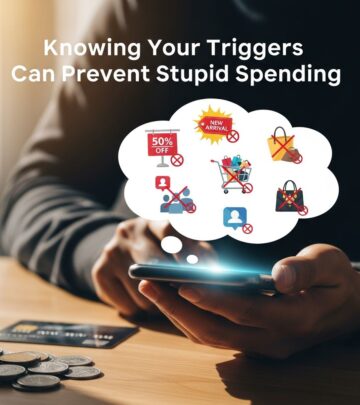
Before implementing any spending reduction strategy, you need to understand why you spend the way you do. Your spending behaviors are often triggered by specific circumstances, emotions, or habits that have become automatic over time.
Begin by tracking your expenses for at least one month. Write down every purchase, no matter how small, and note the circumstances surrounding each transaction. Were you shopping with friends? Feeling stressed? Bored? Tired? Over time, patterns will emerge that reveal your personal spending triggers.
Common spending triggers include:
- Emotional states such as anxiety, boredom, or frustration
- Social situations and peer influence
- Marketing and advertising exposure
- Fatigue or decision fatigue
- Environmental factors like walking through stores or scrolling social media
- Habitual purchases made without conscious thought
Once you’ve identified your patterns, avoid judging yourself. Instead, use this information to develop targeted strategies that address your specific triggers.
Establishing a Realistic Financial Blueprint
A budget is not a punishment—it’s a spending plan that aligns your money with your values and priorities. Without a budget, your money slips away without purpose or direction.
To create an effective budget, start by listing all your monthly expenses in three categories: essential needs, discretionary wants, and savings. The 50/30/20 rule provides a helpful framework: allocate 50% of your after-tax income to necessities, 30% to discretionary spending, and 20% to debt repayment and savings.
Your budget should include:
- Fixed expenses (rent, utilities, insurance)
- Variable expenses (groceries, transportation)
- Savings allocations (emergency fund, retirement, goals)
- A modest discretionary allowance for guilt-free spending
The discretionary allowance is crucial—it prevents budgets from feeling restrictive and unsustainable. By setting a specific dollar limit for non-essential purchases, you maintain flexibility while staying accountable.
Review your budget monthly to ensure you’re staying on track. Adjust categories as needed based on your circumstances, but maintain the overall structure that keeps you aligned with your priorities.
Disrupting Impulse Purchase Cycles
Impulse purchases represent one of the biggest threats to a healthy budget. These unplanned transactions might seem harmless individually, but they compound quickly and undermine your financial goals.
The most effective defense against impulse buying is the waiting period strategy. When you spot something you want to buy, don’t purchase it immediately. Instead, wait 24 to 48 hours for smaller items, or even two to three weeks for larger purchases. This delay allows the initial impulse to fade and lets you evaluate whether you genuinely need the item or simply want it in the moment.
Additional tactics to prevent impulse purchases include:
- Shop with a specific list: Write down what you need before entering a store or browsing online. Commit to purchasing only items on your list, which sharpens your focus and eliminates temptation.
- Create shopping goals: Rather than browsing aimlessly, visit stores with a specific purpose. You’re much less likely to overspend when you have a defined objective.
- Avoid saving items to your cart: Don’t use wish lists or saved items as a staging area for purchases. This practice keeps the desire alive and increases the likelihood of eventual purchase.
- Minimize marketing exposure: Install ad blockers, disable targeted advertising in your browser settings, and unfollow social media accounts that encourage spending.
Choosing Payment Methods Strategically
The way you pay directly influences how much you spend. Different payment methods create different psychological effects on spending behavior.
Cash and debit cards create immediate, tangible awareness of money leaving your possession. When you physically hand over bills or watch your bank balance decrease in real-time, you become acutely conscious of the transaction. This awareness naturally encourages more thoughtful spending.
Credit cards abstract the spending experience. The transaction feels less real because you don’t see immediate financial consequences. If you struggle with overspending, temporarily switching to cash or debit cards can help you rebuild healthier habits.
As you develop stronger spending discipline, you can gradually reintroduce credit cards while maintaining your new awareness and habits.
Leveraging Price Comparison and Intelligent Shopping
Smart shopping doesn’t require sacrifice—it simply requires being intentional about where you spend your money.
Before making purchases, compare prices across retailers and brands. Store-brand products often provide identical quality to name-brand alternatives at significantly lower costs. Research shows that consumers often pay premium prices for branding rather than substantive product differences.
Additional money-saving shopping strategies include:
- Using coupons and promotional codes for planned purchases
- Joining loyalty programs to earn rewards and access member-exclusive discounts
- Shopping during sales periods for items already on your purchase plan
- Buying store brands instead of premium name brands
- Purchasing discounted items from last season
- Planning meals in advance and buying ingredients on sale to reduce grocery and food delivery costs
These approaches reduce your spending without requiring you to eliminate purchases entirely—you’re simply being more strategic about how you acquire what you need and want.
Addressing Emotional and Social Spending Triggers
Many people use shopping as a coping mechanism for emotions or as a social activity. Recognizing this pattern is the first step toward changing it.
If you spend to manage emotions, identify alternative activities that provide similar emotional benefits without financial consequences. Taking a walk, calling a friend, practicing meditation, or engaging in a hobby can satisfy emotional needs at minimal cost.
If shopping is your social outlet, find alternatives that build connection without encouraging overspending. Schedule activities with friends that don’t revolve around consumption, such as hiking, game nights, or cooking together at home.
When you must shop socially, set a clear spending limit in advance and communicate it to your companions. This prevents peer pressure from pushing you beyond your budget.
Implementing a Digital Detox from Spending Triggers
Social media and targeted online advertising create unprecedented pressure to spend. Algorithms specifically identify your interests and vulnerabilities, then present products designed to appeal to you at the exact moment you’re most susceptible.
To reduce this influence:
- Curate your social media feed: Unfollow or mute accounts that promote shopping, luxury goods, or lifestyle spending. You’re less likely to want what you don’t see.
- Disable notifications: Turn off notifications for shopping apps and retailer alerts that create urgency around limited-time offers.
- Use browser tools: Install ad blockers and disable personalized advertising to reduce exposure to targeted marketing.
- Avoid late-night browsing: Decision-making quality deteriorates when you’re tired, making you more vulnerable to impulse purchases.
- Separate yourself from temptation: If certain apps or websites consistently trigger spending, delete them or limit your access.
The Power of a No-Buy Challenge
For those struggling to break entrenched spending habits, a no-buy challenge provides a reset opportunity. This temporary elimination of discretionary spending helps reprogram your financial behaviors and builds confidence in your ability to resist impulses.
A no-buy challenge typically lasts between one week and one month. During this period, you purchase only essentials—groceries, utilities, necessary medications, and items essential to work or school.
Customize your challenge to match your lifestyle and needs:
- Shorter challenges (one to two weeks) can eliminate discretionary spending entirely
- Longer challenges may allow replacement purchases for items that run out
- Category-specific challenges focus on one problem area, like clothing, cosmetics, or dining out
The psychological benefits of a no-buy challenge extend beyond the spending saved. You develop new patterns, discover non-spending sources of satisfaction, and build momentum toward lasting change.
Visualizing Your Financial Goals
Abstract goals like “save more money” lack motivational power. Specific, vivid goals create emotional connection that strengthens your resolve when facing spending temptation.
Rather than focusing on what you’re giving up, focus on what your spending restraint enables you to gain. Do you want to travel? Purchase a home? Retire comfortably? Build an emergency fund? Start a business? Each spending decision becomes a choice between immediate gratification and your larger aspirations.
Create visual reminders of your goals: a vision board, a photograph, a note on your phone’s home screen. The more concrete and emotionally resonant your goal, the more powerful your motivation to resist unnecessary spending.
Building Sustainable Habits
Changing spending behavior is a process, not an event. Research on habit formation suggests that behavioral changes require consistent repetition over weeks and months before they become automatic.
Approach spending reduction with self-compassion. If you make an unplanned purchase or exceed your budget, acknowledge it without shame and refocus on your next opportunity to practice your new behavior.
Track your progress monthly. Notice improvements, celebrate small wins, and adjust your strategies if certain approaches aren’t working for your unique situation.
Remember that the goal isn’t perfection—it’s progress. Each decision to pause before purchasing, each impulse you successfully resist, and each budget line you respect builds financial discipline that compounds over time.
Frequently Asked Questions
How long does it take to break spending habits?
Habit formation varies by individual, but research suggests most behaviors become automatic after several weeks of consistent practice. Expect meaningful progress within 4-8 weeks of applying these strategies, with deeper changes developing over several months.
What’s the best budgeting approach for irregular income?
If your income fluctuates, base your budget on your average earnings over the past year or your lowest predictable income. This conservative approach ensures you can cover expenses even during lower-earning months. Excess income during high-earning months goes directly to savings.
How do I handle social pressure to spend?
Be honest with friends and family about your financial goals. Most people respect genuine priorities. Suggest spending-neutral activities and invite friends into your savings journey rather than hiding your financial objectives.
Should I completely eliminate discretionary spending?
No. Overly restrictive budgets fail because they feel punitive. Include a reasonable discretionary allowance in your budget so you can enjoy life while working toward larger goals.
What if I relapse into old spending patterns?
Relapses are normal and don’t indicate failure. Analyze what triggered the relapse, adjust your strategy, and restart immediately. Each attempt teaches you something valuable about your personal spending vulnerabilities.
References
- How to Stop Spending Money: 10 Tips and Tricks to Stay in Control — PNC Bank. Accessed February 2026. https://www.pnc.com/insights/personal-finance/save/how-to-stop-spending-money.html
- 4 Ways to Avoid Overspending — University of Colorado Health & Well-Being. Accessed February 2026. https://www.colorado.edu/health/blog/overspending
- Tips to Stop Overspending — University of Phoenix. Accessed February 2026. https://www.phoenix.edu/blog/tips-to-stop-overspending.html
- How to Stop Spending: 7 Strategies to Try — Wintrust Financial Corporation. December 2023. https://www.wintrust.com/articles/2023/12/how-to-stop-spending-7-strategies-to-try.html
- Five Strategies to Avoid Overspending on Social Media — KEMBA Credit Union. Accessed February 2026. https://www.kemba.org/resources/education/5-strategies-to-avoid-social-media-overspending
- How to Stop Overspending: 5 Practical Strategies — Clearview Federal Credit Union. Accessed February 2026. https://www.clearviewfcu.org/Resources/Learn/Blog/How-To-Stop-Overspending
- How to Identify and Stop Overspending — Chase Bank. Accessed February 2026. https://www.chase.com/personal/banking/education/budgeting-saving/overspending
Similar Articles








Read full bio of medha deb