Master Sinking Funds for Financial Goals
Unlock the power of sinking funds to effortlessly save for big expenses and achieve your dreams without debt stress.
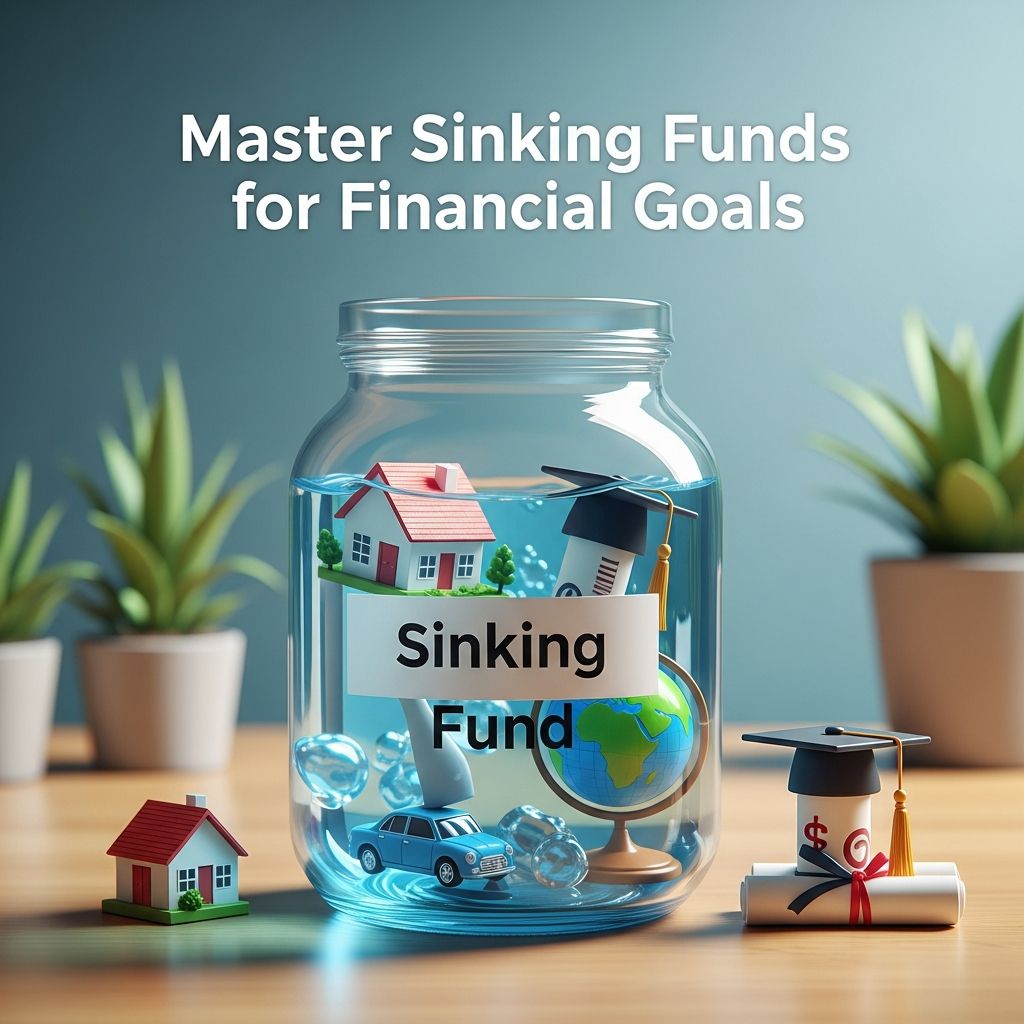
Sinking funds provide a structured way to accumulate money over time for anticipated expenses, helping individuals avoid debt and maintain financial stability.
Understanding the Core Concept of Sinking Funds
A sinking fund represents a deliberate savings mechanism where regular contributions build up to cover predictable future costs. Originating from corporate practices for debt repayment, this approach has gained popularity in personal finance for handling known obligations like annual dues or large purchases. Unlike general savings, these funds target specific timelines and amounts, ensuring readiness without disrupting daily cash flow.
The principle relies on breaking down hefty expenditures into manageable portions. For instance, instead of facing a sudden $1,200 car repair bill, one might save $100 monthly over a year. This method fosters predictability and reduces reliance on high-interest loans.
Why Sinking Funds Outshine Traditional Saving Methods
Traditional savings often lack purpose, leading to impulsive spending. Sinking funds, by contrast, assign clear destinations, promoting discipline. They lower financial anxiety by aligning savings with real-life events, such as property taxes or family trips.
Key advantages include:
- Debt Prevention: Eliminates the need for credit cards or payday loans during expense peaks.
- Budget Integration: Seamlessly fits into monthly plans without overhauling spending habits.
- Goal Acceleration: Turns abstract dreams into concrete realities through consistent action.
Corporations use them to retire bonds early, signaling reliability to investors, while individuals apply the same logic to personal milestones.
Distinguishing Sinking Funds from Emergency Reserves
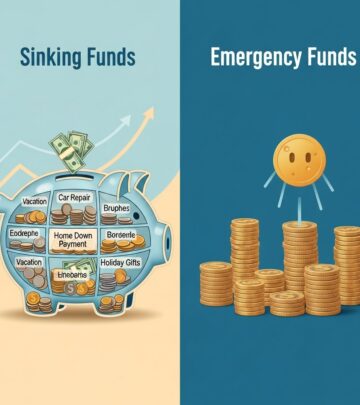
Many confuse sinking funds with emergency funds, but their roles differ sharply. The table below highlights these distinctions:
| Aspect | Sinking Fund | Emergency Fund |
|---|---|---|
| Purpose | Planned, foreseeable costs | Unpredictable crises |
| Timeline | Specific date or period | Indefinite, as needed |
| Examples | Vacation, insurance renewal, home maintenance | Job loss, medical bills, car breakdown |
| Funding | Regular scheduled deposits | Built to 3-6 months’ expenses, untouched ideally |
Maintaining both ensures comprehensive coverage: sinking funds for the calendar-marked, emergencies for the curveballs.
Practical Steps to Launch Your Sinking Fund
Establishing a sinking fund requires methodical planning. Begin by cataloging upcoming expenses within the next 12-24 months.
- Inventory Expenses: Jot down items like holiday gifts, vehicle servicing, or tuition fees.
- Quantify Costs: Research accurate figures; add a 10-20% buffer for inflation or surprises.
- Define Horizons: Note due dates to calculate contribution frequency.
- Compute Deposits: Divide total by months remaining (e.g., $2,400 gift fund over 12 months = $200/month).
- Select Vehicles: Opt for high-yield savings, money market accounts, or labeled digital pots for easy tracking.
- Automate Transfers: Set recurring pulls from checking to enforce consistency.
- Monitor Progress: Review quarterly, adjusting for variances.
This blueprint transforms overwhelm into action, making savings habitual.
Ideal Categories for Your Sinking Funds
Common targets span lifestyle and maintenance needs:
- Travel Adventures: Fund dream getaways without post-trip debt.
- Vehicle Upkeep: Cover tires, brakes, or inspections annually.
- Homeownership Costs: Accumulate for HOA fees, roof repairs, or appliances.
- Seasonal Peaks: Holidays, back-to-school supplies, or tax filings.
- Personal Milestones: Weddings, gadgets, or fitness equipment.
- Insurance Lumps: Premium renewals or deductibles.
Limit to 5-7 active funds to avoid fragmentation; prioritize based on proximity and impact.
Tools and Apps to Streamline Management
Digital aids amplify efficiency. Budget apps like YNAB or Goodbudget feature virtual envelopes mimicking sinking pots. Banking platforms offer sub-accounts with goals and progress visuals. Spreadsheets suit detail-oriented users:
| Fund Name | Target Amount | Months Left | Monthly Save | Current Balance |
|---|---|---|---|---|
| Car Maintenance | $1,500 | 6 | $250 | $900 |
| Family Vacation | $3,000 | 12 | $250 | $1,200 |
| Christmas Gifts | $800 | 10 | $80 | $300 |
These tools provide alerts and projections, keeping motivation high.
Overcoming Common Hurdles in Sinking Fund Strategies
Challenges like irregular income or temptation arise. Solutions include flexible deposits (bi-weekly for salaried), interest-earning accounts to combat inflation, and accountability partners. If a fund depletes early, analyze root causes and rebuild promptly without self-judgment.
For variable earners, base contributions on averages or percentages (5% of income per fund). Visual trackers, like progress bars, reinforce commitment.
Advanced Tactics for Maximizing Returns
Elevate basic funds by parking in CDs or Treasury bills for short terms, yielding 4-5% APY currently. Ladder maturities to match expense dates. For longer horizons (over 2 years), consider low-risk index funds, balancing liquidity with growth—but prioritize access over speculation.
Tax-advantaged options like Roth IRAs can double as sinking vehicles for qualified goals, blending retirement with planning.
Real-Life Transformations Through Sinking Funds
Consider a family saving $50/month for six months toward a $600 dental procedure—avoiding a credit hit. Or a professional funding a $5,000 conference trip over 10 months at $500/pop. These stories illustrate how micro-saves yield macro-wins, building wealth incrementally.
Frequently Asked Questions
What exactly constitutes a sinking fund?
A dedicated pool of money built via regular additions for a predefined expense, ensuring funds are ready on schedule.
How many sinking funds should one maintain?
Typically 4-6, focusing on imminent needs to prevent dilution of resources.
Can sinking funds earn interest?
Yes, high-yield savings or short-term investments boost growth without sacrificing liquidity.
What if I miss contributions?
Adjust timelines or temporarily pause non-essentials; consistency trumps perfection.
Are sinking funds suitable for all budgets?
Absolutely—even $10/month scales up; start small and compound.
References
- What is a Sinking Fund? Meaning, Examples, Types & How it Works — Kotak Mahindra Mutual Fund. 2023. https://www.kotakmf.com/Information/blogs/what-is-a-sinking-fund_
- Sinking Fund – Definition, Examples, Pros, Reason — Corporate Finance Institute. 2024. https://corporatefinanceinstitute.com/resources/fixed-income/sinking-fund/
- Understanding Sinking Funds — SoFi. 2024. https://www.sofi.com/learn/content/what-is-a-sinking-fund/
- What Is a Sinking Fund? — Northwestern Mutual. 2023. https://www.northwesternmutual.com/life-and-money/what-is-a-sinking-fund/
- What is a sinking fund? — Spruce Money. 2024. https://www.sprucemoney.com/resource-center/savings/sinking-fund/
- What Is a Sinking Fund and Why Do You Need One? — Central Bank. 2024. https://www.centralbank.net/learning-center/why-you-need-a-sinking-fund/
- Using a Sinking Fund to Save — Northwest Bank Financial Wellness Center. 2023. https://financialwellnesscenter.northwest.bank/money-management/saving/article/using-a-sinking-fund-to-save
Similar Articles








Read full bio of Sneha Tete