Saving Money In 2026: Practical Strategies To Grow Your Savings
Unlock proven strategies to build wealth effortlessly with smart habits, challenges, and tools tailored for financial success in 2026.

Building financial security starts with consistent, intentional actions that align spending with long-term goals. In 2026, amid evolving economic conditions like potential interest rate adjustments, adopting targeted saving techniques can significantly enhance your net worth. This guide outlines fresh approaches to reduce outflows, automate inflows, and cultivate habits that compound over time.
Establishing a Strong Savings Foundation
The cornerstone of effective saving lies in prioritizing your future self over immediate gratification. Begin by directing a portion of every income source directly into dedicated accounts before addressing other expenses. This ‘priority allocation’ method ensures savings occur effortlessly, bypassing the temptation to spend first.
Consider high-yield savings accounts, which offer superior interest rates compared to traditional options, accelerating growth through compounding. These accounts typically provide FDIC protection and liquidity for accessible funds. Automate transfers from checking to savings immediately upon payday to harness this strategy seamlessly.
Transforming Daily Routines into Savings Wins
Small adjustments in everyday choices yield substantial annual savings. For instance, preparing home-cooked meals reduces reliance on costly takeout and delivery services. Develop weekly meal plans that leverage bulk purchases and seasonal produce to minimize waste and costs.
- Stock pantry staples like rice, beans, and frozen vegetables for versatile, low-cost meals.
- Batch-cook portions to avoid repetitive shopping trips and decision fatigue.
- Opt for tap water over beverages when dining out, saving $10-20 per family meal.
Similarly, embrace public transportation or carpooling to slash commuting expenses. Fuel, maintenance, and parking fees add up quickly; sharing rides with colleagues divides these burdens effectively.
Leveraging Technology for Effortless Budget Control
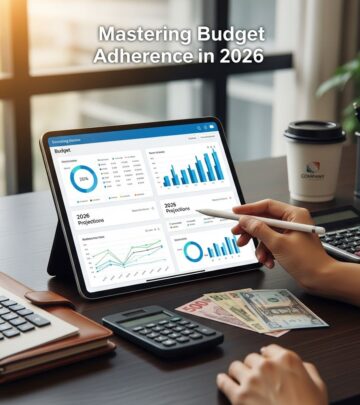
Digital tools simplify tracking and adherence to financial plans. Applications that assign specific roles to every dollar—such as categorizing funds for essentials, discretionary spending, and savings—promote discipline without constant oversight.
Implement a 24-hour waiting period for non-essential online purchases exceeding a set threshold, like $50. This pause curtails impulse buys driven by targeted ads and fleeting desires. Additionally, conduct quarterly reviews of bank statements to identify and eliminate unused subscriptions, which often drain hundreds annually.
| Tool | Key Feature | Potential Savings |
|---|---|---|
| Budgeting Apps (e.g., YNAB) | Zero-based budgeting | $200-500/month |
| Autosave Features | Paycheck deductions | 10-20% of income |
| Cash-Back Cards | Rewards on essentials | 1-5% per transaction |
Embarking on Savings Challenges for Momentum
Structured challenges inject fun and accountability into saving. The 100-envelope system involves labeling envelopes from $1 to $100, randomly selecting one daily to fill with that amount. Over 100 days, this accumulates $5,050, fostering excitement through variability.
Another approach is the no-spend challenge: designate periods, such as weekends, for zero discretionary purchases. Redirect would-be spending to savings, breaking cycles of habitual outflows like coffee runs or apparel splurges.
- No-spend weeks target categories like dining and entertainment.
- Subscription pauses test necessity, potentially yielding permanent cuts.
- Track progress visually to maintain motivation.
Optimizing Major Expenses for Maximum Impact
High-impact areas like insurance and debt demand periodic scrutiny. Shop around annually for policies, as loyalty rarely yields the best rates; recent audits have shown 50% reductions possible in hours. With anticipated Federal Reserve rate cuts, refinancing high-interest debt—credit cards, loans—could save thousands in interest.
Embrace secondhand markets for durables like clothing and electronics, extending value without quality compromise. Bulk buying for household goods, combined with energy-efficient practices like LED bulbs and smart thermostats, further trims bills.
Cultivating a Mindset for Sustained Financial Health
Saving transcends tactics; it requires psychological shifts. Use cash for variable categories prone to overspending, providing tangible feedback on depletion. Digital minimalism—limiting social media exposure—curbs envy-fueled purchases.
Bartering skills or services offers ‘tax-free’ savings, such as trading labor for discounts on rent or goods. Libraries provide free access to books, media, and classes, supplanting paid alternatives.
Advanced Strategies for 2026 Economic Landscape
Position assets wisely amid projections of lower rates. Maintain 3-6 months’ expenses in liquid, high-yield accounts while investing excess in resilient portfolios aligned with goals. Shorter-term fixed income may balance yield and risk effectively.
Quarterly audits ensure recurring payments remain relevant, preventing stealthy leaks. Explore cash-back rewards from reputable cards for everyday spending, effectively earning on necessities.
Common Pitfalls and How to Avoid Them
Convenience traps, like gas station snacks, erode budgets subtly; prepare alternatives in advance. Memberships only justify costs if utilized frequently—audit usage rigorously. Avoid lifestyle inflation by capping increases in fixed costs as income rises.
FAQs
What is the fastest way to start saving in 2026?
Automate transfers to a high-yield savings account right after payday, aiming for 20% of income.
How much can I save with meal planning?
Families report halving grocery bills by curbing impulse buys and waste.
Are savings challenges effective long-term?
Yes, they build habits; the 100-envelope method can yield over $5,000 in months while gamifying discipline.
Should I refinance debt now?
With expected rate drops, yes—target high-interest balances for immediate interest savings.
How do I track subscriptions?
Review statements quarterly and use budgeting apps to flag recurring charges.
References
- Small Financial Habits to Set You Up for a Successful 2026 — Harvard FCU Blog. 2026-01. https://blog.harvardfcu.org/small-financial-habits-to-set-you-up-for-a-successful-2026
- Introducing 26 of the Best Ways to Save Money in 2026 — The Skirting Co. 2025-12. https://theskirtingco.com/introducing-26-of-the-best-ways-to-save-money-in-2026/
- 10 money savings challenges for 2026 — Fidelity Investments. 2025-11. https://www.fidelity.com/learning-center/smart-money/money-savings-challenges
- 26 Money Rules For 2026 — Sahil Bloom, The Curiosity Chronicle. 2025-12. https://www.sahilbloom.com/newsletter/26-money-rules-for-2026
- Get ready For 2026: Make these 10 planning moves now — J.P. Morgan Private Bank. 2025-11. https://privatebank.jpmorgan.com/nam/en/insights/markets-and-investing/ideas-and-insights/get-ready-for-2026-make-these-10-planning-moves-now
Similar Articles








Read full bio of Sneha Tete