Master Your Money: The Complete Guide to Expense Tracking
Discover how monitoring your expenses transforms financial control and builds lasting wealth
Financial uncertainty creates anxiety that ripples through every aspect of life. One of the most effective remedies for this uncertainty lies in a simple yet powerful practice: tracking your expenses. By maintaining awareness of where your money goes, you transform guesswork into concrete knowledge and regain control over your financial destiny. This comprehensive guide explores the multifaceted benefits of expense tracking and why it matters for anyone serious about achieving financial stability.
Understanding the Foundation: What Expense Tracking Actually Means
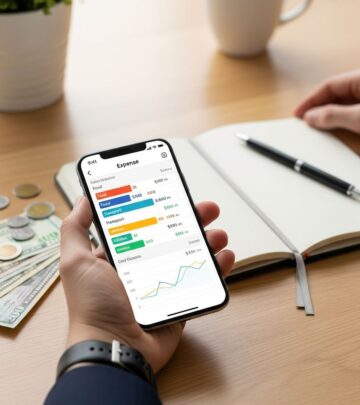
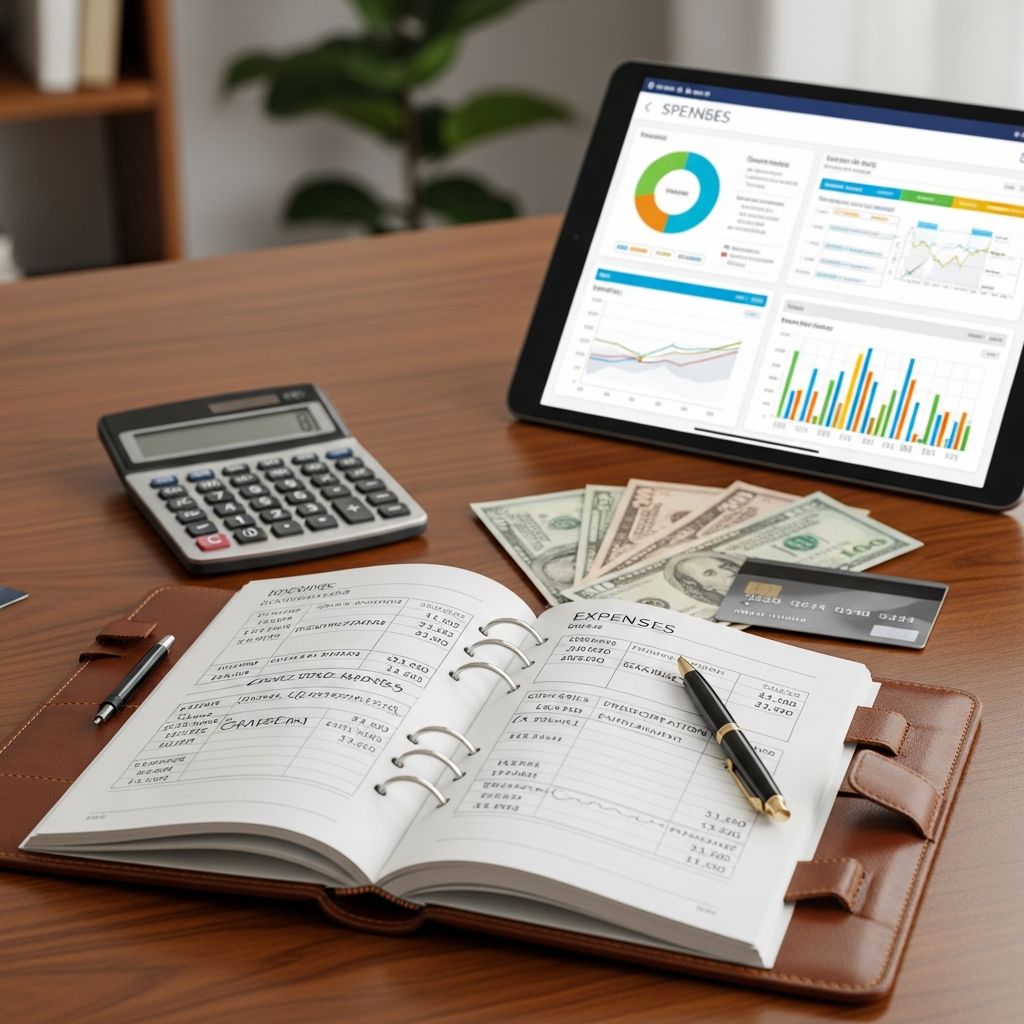
Expense tracking is the practice of recording every dollar you spend across different categories of your life. Unlike vague notions of “watching your spending,” genuine tracking involves documenting purchases systematically—whether through smartphone apps, spreadsheets, or even a simple notebook. The act of capturing this information accomplishes something remarkable: it transforms fleeting transactions into retrievable data that informs better decision-making.
Research demonstrates that the mere act of writing down information strengthens memory retention and increases awareness of behavioral patterns. This cognitive benefit alone makes tracking worthwhile, but the financial advantages extend far deeper into budget management, debt reduction, and long-term wealth accumulation.
Illuminating Hidden Spending Patterns
Most people maintain a fundamental disconnect between their perception of spending and their actual expenditure. Small purchases—a morning coffee, midweek takeout order, or subscription service renewed without thought—accumulate into substantial amounts that shock many households when finally examined. These “invisible” expenses represent one of the most significant obstacles to financial progress.
When you implement a tracking system, spending patterns emerge with unmistakable clarity. You might discover:
- Convenience food spending that far exceeds your expectations
- Subscription services renewed automatically that you no longer use
- Seasonal expenses that recur predictably each year
- Impulse purchases that undermine financial goals
- Spending categories that fluctuate more dramatically than anticipated
This visibility creates the foundation for meaningful change. You cannot adjust behaviors you do not fully understand, but tracked data provides the insight necessary for intentional financial decisions aligned with your actual priorities.
Building Budgets Grounded in Reality
Budget failures stem primarily from one source: unrealistic assumptions. When you create spending targets based on what you think you spend rather than what you actually spend, the budget becomes an exercise in frustration rather than a useful tool. Unrealistic limits breed discouragement, making abandonment tempting whenever unexpected expenses emerge.
Expense tracking transforms budgeting from guesswork into precision planning. By reviewing actual spending over several weeks or months, you establish baseline data that reveals:
- Your true average grocery expenditure across multiple shopping trips
- Genuine dining-out patterns and frequency
- Actual transportation and fuel costs
- Predictable spikes in spending during particular seasons or months
Armed with this factual foundation, your budget becomes a reflection of your genuine lifestyle rather than an aspirational fantasy. You can set spending limits that feel achievable because they are based on documented reality. This alignment between budget targets and actual behavior dramatically improves your ability to maintain long-term financial discipline.
Achieving Financial Awareness and Control
Financial anxiety often stems from a sense of powerlessness. Many aspects of personal finances feel beyond individual control—market fluctuations, inflation, interest rate changes, and employment circumstances all operate largely outside our sphere of influence. This lack of control can trigger stress and avoidance behaviors that worsen financial situations.
However, expense tracking reconnects you with one crucial variable you absolutely can control: your spending behavior. By consciously monitoring your expenditures, you reclaim agency over this controllable element. This psychological shift proves remarkably powerful. When you understand precisely where your money goes, you experience a tangible sense of command over your finances.
The American Psychological Association recognizes that money represents a critical component of security and well-being. Tracking your expenses directly addresses this need by replacing uncertainty with clarity. Instead of wondering where your paycheck disappeared or fearing account balances, you possess definitive knowledge about your financial situation. This knowledge reduces anxiety and enables more confident decision-making.
Eliminating Debt Through Intentional Spending Awareness
Debt accumulation typically results from chronic overspending—spending more than you earn and using credit to bridge the gap. Breaking this cycle requires awareness of exactly how much you spend relative to your income. Expense tracking provides this critical awareness.
When you monitor spending systematically, you identify opportunities to reduce outlays and redirect funds toward debt elimination. Consider these pathways to debt freedom through tracking:
- Identifying discretionary spending that can be reduced or eliminated
- Discovering budget areas where spending habitually exceeds targets
- Recognizing wasteful expenses that generate zero value
- Allocating freed-up funds toward principal reduction on existing debt
- Using insights to prevent future debt accumulation
Additionally, tracking credit card purchases ensures you remain aware of your obligations and can pay balances before grace periods expire, avoiding interest charges that compound debt problems. By spending less than you earn and systematically addressing existing balances, you accelerate progress toward debt freedom while simultaneously reducing total interest paid.
Aligning Spending with Genuine Values and Priorities
Authentic financial success involves more than mere numbers—it requires alignment between your spending patterns and what genuinely matters to you. Many people discover that their money flows toward expenses misaligned with their stated values and life goals.
When you track spending comprehensively, you create an opportunity for honest self-reflection about priorities. This visibility often prompts realizations like:
- “I claim family time matters most, yet spending on family activities remains minimal”
- “I want financial security, but impulsive purchases undermine my savings goals”
- “I value health, but convenience spending on fast food dominates my food budget”
These insights trigger conscious decisions about reallocating funds. When you see money flowing toward entertainment you rarely enjoy or services you no longer value, you can redirect those resources toward categories that genuinely enhance your life quality. This intentionality transforms spending from automatic habit into deliberate choice, ultimately creating greater life satisfaction alongside improved finances.
Simplifying Tax Time and Financial Record-Keeping
Beyond monthly financial management, comprehensive expense tracking generates secondary benefits during tax season. Organized records of spending eliminate hours of frantic searching for receipts and documentation when preparing returns or itemizing deductions.
Self-employed individuals and business owners particularly benefit from systematic tracking, which clarifies which expenses qualify for deductions and which do not. Even for employees without business income, organized expense records prove valuable when claiming medical, charitable, or education-related deductions. By maintaining clear spending records throughout the year, you transform tax preparation from a dreaded scramble into a straightforward process anchored in documented data.
Optimizing Cash Flow Management
Effective cash flow management prevents the common scenario where people feel financially stressed despite earning adequate income. The problem often involves timing mismatches—large expenses arriving before paycheck deposits or irregular expenses creating temporary cash shortages.
Tracking spending patterns reveals when and where money flows in and out throughout the month. This visibility enables strategic planning:
- Timing major purchases to align with paycheck deposits
- Building emergency reserves for predictable seasonal expenses
- Staggering bill payments to smooth cash flow throughout the month
- Identifying months with surplus cash available for savings or investments
By understanding your money’s rhythm, you can navigate financial demands more smoothly and avoid the stress of unexpected shortfalls.
Frequently Asked Questions About Expense Tracking
How much time does genuine expense tracking require?
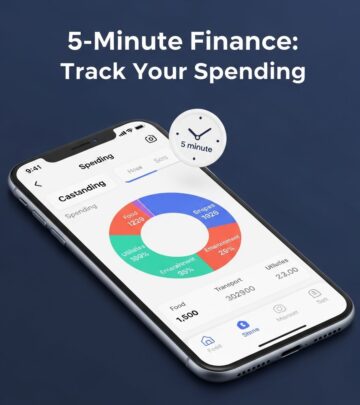
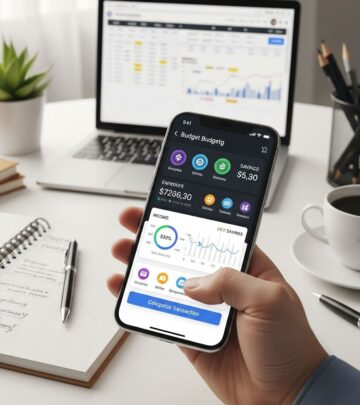
While comprehensive tracking might seem time-consuming, numerous tools streamline the process. Mobile apps automatically categorize transactions, spreadsheets can be templated for quick data entry, or simple notebooks require only minutes daily to record purchases. The time investment is minimal compared to the financial benefits gained.
Do you need to track every single dollar?
Effective tracking focuses on meaningful expenses rather than obsessing over every transaction. Set a minimum threshold below which you don’t track minor purchases, or categorize spending more broadly rather than itemizing every single expense. The goal involves gaining sufficient awareness to make informed decisions, not achieving perfectionism.
What tracking method works best?
The best method is simply the one you’ll actually use consistently. Options range from straightforward smartphone apps that sync with bank accounts, to spreadsheets you customize for your needs, to old-fashioned written logs in a notebook. Consistency matters infinitely more than sophistication.
How long should I track before seeing benefits?
Most people notice meaningful patterns and insights within 2-4 weeks of consistent tracking. By maintaining the practice for 2-3 months, seasonal variations and genuine patterns emerge. Long-term tracking over years provides increasingly valuable data about your financial trajectory.
Practical Implementation: Getting Started Today
Beginning an expense-tracking practice requires no special skills or financial knowledge. Start by selecting your preferred method—whether digital or physical. Commit to recording every purchase for at least one month without judgment or attempts to change behavior yet. Simply gather data during this initial observation phase.
After one month, review your tracked spending and categorize expenses into groupings like housing, transportation, food, entertainment, and personal care. Calculate totals in each category and compare to your actual income. This visual representation often creates the motivation necessary to make meaningful changes.
Remember that expense tracking is not about deprivation or excessive restriction. Rather, it creates awareness that enables intentional choices aligned with your genuine priorities and financial goals.
Conclusion: Your Path to Financial Empowerment
Tracking your spending represents one of the most powerful yet underutilized tools for financial advancement. By illuminating hidden spending patterns, enabling realistic budgeting, reducing financial stress, and aligning expenses with genuine values, expense tracking transforms your relationship with money fundamentally. The practice requires minimal effort while delivering maximum benefit—making it an essential foundation for anyone committed to building lasting financial stability and sustainable wealth.
References
- The Benefits of Tracking Your Spending (And How to Start Today) — NACCA CPAs. Accessed March 31, 2026. https://www.naccacpas.com/blog/the-benefits-of-tracking-your-spending-and-how-to-start-today
- Why You Should Track Your Spending — Experian. Accessed March 31, 2026. https://www.experian.com/blogs/ask-experian/why-you-should-track-spending/
- Expense Tracking Guide: Manage Every Dollar With Purpose — Western Southern. Accessed March 31, 2026. https://www.westernsouthern.com/personal-finance/expense-tracking
- Why You Should Track Your Spending — Fortera Credit Union. Accessed March 31, 2026. https://forteracu.com/blog/why-you-should-track-your-spending
- 3 Great Reasons & Benefits to Track Your Expenses — Sparkful. Accessed March 31, 2026. https://sparkful.app/articles/3-great-reasons-to-track-your-expenses/137744
- Budgeting, the Importance of Keeping Track of Your Money — University of Wyoming. Accessed March 31, 2026. https://www.uwyo.edu/uwe/programs/money/_files/_docs/2020-vigil_budgeting-.pdf
Similar Articles








Read full bio of Sneha Tete