Master Your Financial Future: Credit Essentials
Comprehensive strategies to understand, build, and optimize your credit profile

Your financial reputation follows you through every major life decision. Whether you’re pursuing a mortgage, car loan, rental agreement, or even employment opportunity, your credit standing plays a crucial role in determining your eligibility and the terms you’ll receive. Understanding how credit works and taking deliberate steps to strengthen your financial profile can open doors to better opportunities and lower costs over your lifetime.
Understanding Credit Score Ranges and What They Mean
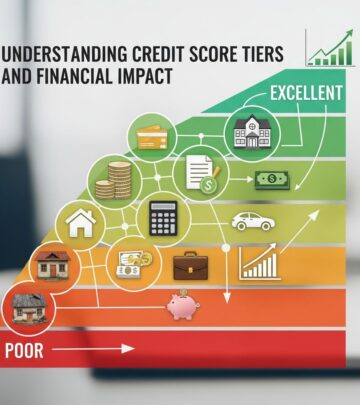
Credit scores operate within a standardized range that helps lenders quickly assess your creditworthiness. Most credit scoring models use a scale from 300 to 850, with higher numbers indicating better credit management. Your position within this range directly influences the interest rates, credit limits, and loan terms available to you.
The distribution of credit scores across the population reveals important trends about financial behavior. Research shows that most consumers maintain credit scores between 600 and 750, placing them in the middle spectrum of creditworthiness. However, reaching higher thresholds provides measurable advantages in the lending marketplace.
| Credit Score Range | Classification | Lending Implications |
|---|---|---|
| 300-579 | Poor | Limited access to credit; higher interest rates |
| 580-669 | Fair | Qualified approval; elevated costs |
| 670-739 | Good | Standard approval; competitive rates |
| 740-799 | Very Good | Premium approval; favorable terms |
| 800-850 | Excellent | Maximum approval; best available rates |
A score of 700 or higher is generally considered good, positioning you favorably with most lenders. Achieving 800 and above reaches the excellent tier, demonstrating exceptional financial discipline and responsibility. These higher scores translate into tangible savings through lower interest rates, higher credit limits, and better terms across financial products.
The Five Pillars of Credit Score Calculation
Credit scoring agencies employ sophisticated algorithms that weigh multiple dimensions of your financial behavior. Understanding these components helps you prioritize improvements strategically and allocate your efforts toward the factors that matter most.
Payment History: Your Most Important Asset
Your demonstrated ability to pay obligations on schedule represents the single most influential factor in credit scoring. Payment history accounts for 35% of your FICO® Score, making it the dominant component of your overall credit standing. This metric reflects whether you’ve consistently met your financial commitments across all your accounts, including credit cards, loans, and payment plans.
Credit bureaus track on-time payments, late payments, and missed payments, reporting this information to the major national consumer credit bureaus. Even a single late payment can damage your score, but the impact diminishes over time. Understanding that late payments are only reported once you’re 30 days overdue provides crucial context—a payment made on day 29 won’t trigger negative reporting, though it may incur fees.
Credit Utilization: The Balance You Maintain
The second most significant factor in credit scoring is the amounts you owe, which constitutes 30% of your FICO® Score. Beyond simply owing money, what matters is how much of your available credit you’re actively using. Your credit utilization rate compares your current balances to your credit limits across revolving accounts.
Financial experts often recommend maintaining utilization rates below 30%, though no absolute rule applies. The general principle is straightforward: keeping this ratio as low as possible improves your score. Someone with $3,000 available credit using only $300 demonstrates better credit management than someone with the same $300 balance but only $1,000 available credit. This metric reveals your borrowing restraint and financial discipline to potential creditors.
Credit Mix: Showing Lending Diversity
Lenders prefer seeing evidence that you can responsibly manage different types of credit products. Your credit mix considers whether you maintain a combination of revolving credit (credit cards, lines of credit) and installment loans (auto loans, personal loans, mortgages). This component accounts for approximately 10% of your credit score.
While credit mix has moderate importance compared to payment history and utilization, building a diverse credit profile over time strengthens your overall standing. Importantly, diversifying your credit mix requires no urgency—you should pursue new credit only when you genuinely need it, allowing natural account acquisition over several years.
Credit History Length and New Credit Inquiries
The length of your credit history demonstrates your track record with financial responsibility. Longer histories provide more data points for scoring algorithms, generally improving your score. Simultaneously, hard inquiries from new credit applications temporarily lower your score, as they indicate you’re seeking additional credit. Together, these factors make up the remaining 25% of your credit score calculation.
Foundational Steps to Monitor Your Credit Health
Effective credit management begins with awareness. You cannot improve what you don’t measure, making regular credit monitoring an essential habit for any financially conscious person.
Accessing Your Credit Reports Regularly
Three major credit bureaus—Experian, TransUnion, and Equifax—maintain individual credit reports on your financial history. Inaccuracies in these reports, while relatively rare, can significantly damage your credit score when they occur. Reviewing your reports at least annually from each bureau helps you identify problems before they impact important financial decisions.
The federal government guarantees you access to free credit reports through AnnualCreditReport.com, a service established to provide transparency and empower consumers. Accessing these reports won’t hurt your score—checking your own credit through soft inquiries has no negative impact. Many financial institutions also provide free credit monitoring, allowing you to review your reports more frequently throughout the year.
Correcting Errors and Inaccuracies
If your credit reports contain errors, you have rights and recourse. Disputes can be filed with the relevant credit bureau, which must investigate and correct inaccurate information. Examples of reportable errors include accounts you didn’t open, incorrect payment statuses, or duplicate entries. Taking immediate action to correct these mistakes prevents unnecessary damage to your financial reputation.
Strategic Pathways to Improve Your Credit Score
Depending on your unique financial situation, different strategies may provide the most immediate and impactful results. Your approach should be customized to address your specific credit challenges.
Prioritizing Timely Payments
Since payment history dominates your credit score, ensuring consistent on-time payments provides the highest return on your improvement efforts. If you struggle with remembering due dates, consider automating your payments through autopay services. Setting calendar reminders and account alerts also helps you stay on track.
Beyond traditional credit reporting, innovative tools now allow you to get credit for payments that lenders don’t typically report. Registering for services that monitor eligible rent, utility, cellphone, insurance, and streaming subscription payments can add positive information to your credit profile, potentially providing instant score increases.
Reducing Credit Card Balances
High revolving balances directly impact your credit utilization rate, one of the most modifiable factors in your credit score. Prioritizing balance reduction—whether through aggressive payments, balance transfers, or increasing income—can generate relatively quick improvements in this critical metric. The lower your utilization, the stronger your credit position becomes.
Strategic Account Management
Requesting credit limit increases on existing accounts improves your utilization rate without requiring new accounts or applications. When creditors agree to higher limits, the same balance becomes a smaller percentage of your available credit, boosting your score. Similarly, avoiding unnecessary new credit applications protects your score from hard inquiry damage.
Building Credit From Scratch
Consumers starting their credit journey face unique challenges. Whether you’re establishing credit for the first time or rebuilding from a damaged position, multiple pathways exist to develop a positive credit profile.
Credit Cards as Building Tools
For those with no credit history, opening a credit card specifically designed for credit building can establish your initial footprint with lenders. Secured credit cards, which require cash deposits, offer accessible entry points. The key is using these accounts responsibly—making small purchases and paying the full balance monthly demonstrates credit management to scoring agencies.
Alternative Credit Pathways
Beyond traditional credit cards, several strategies can establish creditworthiness when starting from zero. Becoming an authorized user on an established account allows you to benefit from another person’s payment history. Taking out installment loans, even small ones, creates diverse credit mix. Ensuring that monthly obligations like rent, utilities, phone, and insurance are reported to your credit file builds your profile with payments you’re already making.
Leveraging Non-Traditional Payment Data
Services now exist that add your existing bill payment history to your credit report, even if those payments weren’t traditionally reported. Utility payments, rental history, insurance premiums, and subscription services can now contribute to your credit score, recognizing financial responsibility beyond conventional credit products. This innovation acknowledges that many people demonstrate fiscal discipline through consistent bill payments long before accessing traditional credit.
Common Credit Myths and Realities
Misinformation about credit can lead to costly mistakes and missed opportunities. Understanding the facts helps you make better financial decisions.
Myth: Checking your credit score damages it.
Reality: Reviewing your own credit through soft inquiries has zero negative impact on your score. You should check your credit regularly without fear of self-inquiry penalties.
Myth: Late payments damage your score immediately.
Reality: Negative reporting only occurs once payments are 30 days late. Making a payment on day 29, though potentially incurring fees, prevents the damage to your credit profile.
Myth: Credit repair companies can fix your credit faster than you can.
Reality: Credit repair companies cannot perform actions you cannot do yourself, and most legitimate improvements require time and consistent financial behavior. The best credit repair is self-directed, focusing on good credit management practices.
The Timeline and Expectations for Credit Improvement
Understanding realistic timelines prevents discouragement and helps you stay committed to your credit improvement journey. Credit scores respond to multiple factors across various timeframes:
- Payment history changes reflect almost immediately once new on-time payments are reported
- Credit utilization improvements can show within one billing cycle of balance reduction
- New account impacts diminish gradually over several months as the hard inquiry ages
- Credit mix diversification typically develops over several years as you acquire accounts naturally
- Negative information gradually declines in impact over time, with most items falling off reports after 7-10 years
Rebuilding credit takes patience, but consistent financial discipline produces measurable results. Rather than expecting overnight transformation, focus on sustainable behaviors that compound over time. Most people who commit to these practices observe positive improvements within three to six months, with continued gains following faithful execution.
Beyond Scores: Why Credit Matters Across Life Domains
Credit scores influence far more than just lending decisions. Potential employers, landlords, and service providers may access your credit information when evaluating your reliability. A strong credit profile opens opportunities beyond finances—better housing options, favorable employment considerations, and service approvals all flow from creditworthiness. Building and maintaining good credit represents an investment in your overall life opportunities and financial freedom.
References
- How to Repair Your Credit in 11 Steps — Experian. Accessed March 2026. https://www.experian.com/blogs/ask-experian/how-to-repair-credit/
- How to Improve Your Credit Score Fast — Experian. Accessed March 2026. https://www.experian.com/blogs/ask-experian/credit-education/improving-credit/improve-credit-score/
- How to Build Credit: A Comprehensive Guide — Experian. Accessed March 2026. https://www.experian.com/blogs/ask-experian/credit-education/improving-credit/building-credit/
- Understanding and Improving Your Credit — Experian. Accessed March 2026. https://www.experian.com/blogs/ask-experian/wp-content/pdf/experian-credit-guide.pdf
- 11 Facts About Credit You May Not Know — Experian. Accessed March 2026. https://www.experian.com/blogs/ask-experian/facts-about-credit-you-may-not-know/
- Credit 101: Strategies to Improve Your Credit Scores — Experian. Accessed March 2026. https://www.experian.com/blogs/news/about/credit-101/
Similar Articles








Read full bio of Sneha Tete