Bill Negotiation: 5 Proven Tactics To Cut Bills In 2026
Unlock substantial savings on recurring bills through proven negotiation tactics and smart service choices in the evolving 2026 landscape.

Reducing monthly expenses has become essential in 2026 amid rising costs and economic pressures. Negotiating bills offers a direct path to savings without sacrificing services. This guide explores practical methods to lower payments on common recurring charges, drawing from established consumer strategies.
Why Negotiate Your Bills Now?
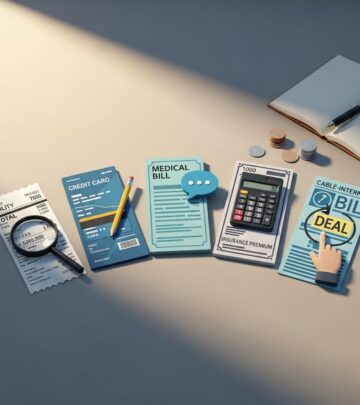
Recurring bills like cable, internet, and insurance often increase automatically, but providers compete fiercely for customers. By negotiating, households can secure rates matching new customer promotions, potentially saving hundreds yearly. Research shows industries with high competition respond best to retention efforts.
- High-impact categories: Cable TV, mobile plans, auto insurance, gym memberships.
- Moderate success: Utilities, streaming subscriptions via tier adjustments.
- Preparation yields results: Armed with competitor data, consumers gain leverage.
In 2026, transparency rules and market data empower informed talks, shifting power toward users.
Preparation: Build Your Negotiation Foundation
Success starts with research. Compile details on your current plan, usage history, and alternatives before calling.
| Step | Action | Expected Outcome |
|---|---|---|
| 1. Review Bill | Check usage, fees, contract end dates | Identify overcharges or upsell opportunities |
| 2. Competitor Shop | Compare rates for similar services | Match new-customer deals |
| 3. Account History | Note loyalty duration, payment record | Strengthen retention arguments |
| 4. Document | Create spreadsheet of offers | Quick reference during calls |
Consider flexibility: Will you accept lower tiers or contracts for discounts? Streaming services like video platforms often allow plan downgrades for immediate relief.
Core Negotiation Tactics
Approach providers strategically. Time calls near contract renewal or after promo periods expire for best leverage.
- Request Retention Team: State intent to cancel upfront. Example: “My bill has risen beyond affordability; I’m exploring options. Can you connect me to retention?” This routes you to authorized deal-makers.
- Loyalty Pitch: Highlight tenure: “I’ve been loyal for five years with perfect payments. What retention offers match competitor deals?”
- Competitor Leverage: Present specifics: “Provider X offers 100Mbps internet for $40/month to new users. Can you match?”
- Escalate Politely: If initial rep resists, ask for supervisors without aggression.
- Secure Credits: Request one-time goodwill credits if rate locks fail.
Be persistent yet courteous; negotiations may span multiple calls, taking 30 minutes to hours total.
Proven Phone Scripts for Key Services
Use these adaptable templates, customized with your research.
Cable/Internet Script
“Hi, I’m calling because my $120/month bill is unsustainable. I’ve seen [Competitor] offers 200 channels and 500Mbps for $70 to new customers. I’ve been with you for [X years] without issues. What can retention do to keep me?”
Insurance Script
“My premium jumped 15%. [Competitor] quotes $1,200/year for identical coverage. As a long-term policyholder, can you requote or apply discounts?”
Mobile Plan Script
“Unlimited data is now $90/line, but new plans start at $65. Transfer me to loyalty—what matches this for existing customers?”
Scripts emphasizing loyalty and alternatives work because reps aim to prevent churn.
When to Use Bill Negotiation Services
For those short on time, services handle talks for a fee—typically 40-50% of first-year savings. Examples include platforms that negotiate cable, phone, and insurance.
- Pros: Expert handling, multi-bill coverage, no upfront cost.
- Cons: Fees reduce net savings; verify service legitimacy.
Weigh DIY vs. paid: If savings exceed fees (e.g., $300 saved, $120 fee = $180 net), it’s viable. Track post-negotiation bills to confirm changes.
2026 Trends Impacting Negotiations
Enhanced data transparency alters dynamics. Providers now use real-time market insights, making talks more data-driven. Public program squeezes indirectly toughen commercial stances, favoring prepared negotiators.
Success metrics evolve: Beyond signed rates, monitor actual reimbursements and policy adherence over time.
Maximizing Savings Beyond Negotiation
Combine tactics for amplified impact.
- Bundle services for discounts.
- Switch to lower tiers where usage allows.
- Align due dates to cash flow.
- Explore assistance programs for utilities.
Average households save $200-500/year via negotiation; consistency yields compounding benefits.
Frequently Asked Questions
Can I negotiate utility bills?
Yes, especially in competitive areas. Request budget plans or hardship rates.
What if they refuse a deal?
Ask for future callbacks or follow through on switching—often prompts reconsideration.
Are contracts risky?
Evaluate early termination fees against savings; short-term deals minimize risk.
How often to renegotiate?
Annually or post-promo expiration.
Do services guarantee savings?
No, but reputable ones charge only on success.
Track and Sustain Your Wins
Post-negotiation, review statements monthly. Save confirmations in writing. Revisit annually to counter hikes. These habits ensure ongoing financial relief in 2026’s competitive market.
References
- Bill Negotiation: How to Get a Better Deal — NerdWallet. 2023. https://www.nerdwallet.com/finance/learn/how-to-negotiate-your-bills
- Payer Negotiations in 2026: 7 Predictions Reshaping Commercial Reimbursement — Trek Health. 2025. https://www.trekhealth.io/resources/payer-negotiations-in-2026-7-predictions-reshaping-commercial-reimbursement
- Struggling to Pay Bills in 2026? Everyday Ideas That May Help — Earnin. 2026. https://www.earnin.com/blog/struggling-to-pay-bills-in-2026-everyday-ideas-to-manage-bills
- 6 Bill-Lowering Scripts That Actually Work — Money Talks News. 2024. https://www.moneytalksnews.com/bill-lowering-scripts-that-actually-work/
Similar Articles








Read full bio of medha deb