Marriage and Debt: What You Need to Know
Discover how marriage impacts debt responsibility, from pre-marital loans to shared obligations, and strategies to protect your finances.

Entering marriage often merges lives, dreams, and finances, raising critical questions about debt responsibility. Generally, pre-marital debts remain individual, but rules vary significantly by state and debt type during marriage. This guide breaks down key principles, state differences, and actionable strategies to navigate these complexities.
Core Principles of Debt in Marriage
Marriage does not automatically make spouses liable for each other’s existing debts. Loans, credit cards, or other obligations accrued before the wedding stay with the original borrower unless explicitly assumed later. Exceptions arise if one spouse co-signs or becomes a joint account holder post-marriage.
During marriage, liability hinges on state laws, account setup, and debt purpose. Joint accounts bind both parties equally, while individual accounts follow stricter rules. Creditors typically pursue the named debtor first, but marital status can influence asset access.
Common Law States vs. Community Property States
U.S. states divide into two primary systems for marital property and debt: common law (most states) and community property (nine states). Understanding your state’s category is foundational to debt management.
| Aspect | Common Law States | Community Property States |
|---|---|---|
| Debt Incurrence | Individual unless joint or benefits family | Shared for most debts during marriage |
| Pre-Marital Debt | Remains separate | Remains separate |
| Asset Access | Limited to debtor’s property | Can include joint marital assets |
| Examples | 41 states + D.C. | AZ, CA, ID, LA, NV, NM, TX, WA, WI |
In common law states, debts are the sole responsibility of the incurring spouse unless they support the household (e.g., groceries, utilities) or are joint. Creditors cannot typically seize the non-debtor spouse’s separate income or pre-marital assets. However, joint accounts or family necessities may expose shared property.
Community property states treat most debts acquired during marriage as communal, regardless of whose name is on the account. Both spouses share liability 50/50, and creditors can pursue marital assets like joint bank accounts or home equity. Pre-marital debts, however, stay separate.
Pre-Wedding Debts: Protecting Your Financial Past
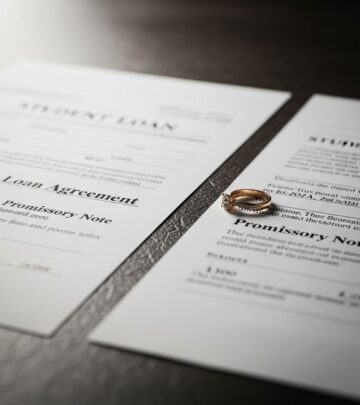
Debts from before marriage—student loans, credit cards, mortgages—do not transfer to the new spouse automatically. This holds true even if living together or combining incomes. Creditors have no claim on the non-incurring spouse’s assets solely due to marriage.
- Key Safeguard: Avoid co-signing pre-existing debts, as this creates personal liability.
- Credit Impact: Spouses maintain separate credit reports, so one partner’s poor history does not directly harm the other’s score.
- Exceptions: If marital funds repay pre-marital debt, it may become commingled, complicating separation.
Debts During Marriage: When Sharing Becomes Reality
New obligations post-wedding trigger shared responsibility under certain conditions. Joint credit cards, co-signed loans, or household purchases (e.g., family car) bind both spouses. In common law states, “necessaries” like medical bills or child-related costs may also qualify as shared.
Individual spending on non-essential items (e.g., personal hobbies) remains separate in most cases. Yet, in community property states, even solo-incurred debts during marriage are presumed joint unless proven otherwise.
Factors Determining Shared Liability
- Joint signature on contracts
- Purpose benefiting the family unit
- State-specific property rules
- Commingling of funds
Divorce and Debt Division: Planning for the Worst
Divorce courts allocate debts based on state laws. Marital debts (incurred during marriage) are divided equitably in common law states or 50/50 in community property ones. Separate debts stay with the original owner.
Prenuptial or postnuptial agreements can override defaults, specifying debt handling. Courts consider income disparity, fault (in some states), and ability to pay when assigning responsibility. Bankruptcy by one spouse discharges only their debts, leaving the other’s intact.
Practical Steps for Couples Entering Marriage
Proactive financial planning minimizes risks. Start with full disclosure of debts and assets to build trust.
- Review Credit Reports: Check all three bureaus for accuracy before merging finances.
- Consider Prenups: Legally define separate vs. shared property/debts.
- Use Separate Accounts: Maintain individual banking for personal expenses.
- Monitor Joint Obligations: Pay shared debts promptly to protect both credit scores.
- Seek Advice: Consult attorneys or financial planners familiar with your state’s laws.
These steps preserve autonomy while fostering joint goals like homebuying or retirement savings.
Credit Scores and Reports in Marriage
Marriage does not merge credit files; each spouse retains an independent score. However, joint accounts appear on both reports, so one spouse’s missed payment harms both. Authorized users may see impacts without full liability.
To optimize:
- Pay joint debts on time religiously.
- Dispute errors affecting shared accounts.
- Build positive history through secured cards if needed.
Unmarried Couples: A Quick Comparison
For cohabiting partners, debt remains strictly individual—no automatic sharing like in marriage. Joint accounts or co-signing create exceptions, but state-recognized common-law marriage (rare) could mimic spousal rules.
Frequently Asked Questions
Does my spouse’s bad credit affect my mortgage approval?
No, if applying individually. Joint applications consider both scores.
Can creditors garnish my wages for my spouse’s debt?
Rarely in common law states; possible for marital debts in community property states.
What if we separate but aren’t divorced?
Rules mirror marriage until legal separation or divorce.
Do student loans transfer upon marriage?
No, they remain separate unless refinanced jointly.
How does bankruptcy work for married couples?
Filing jointly discharges shared debts; individually affects only filer’s obligations.
Navigating debt in marriage requires awareness of these dynamics. By understanding state laws and implementing safeguards, couples can focus on building a secure future together.
References
- Does Marriage Make You Responsible For Your Partner’s Debt — Dort Online. 2024-03-21. https://dortonline.org/2024/03/21/does-marriage-make-you-responsible-for-your-partners-debt/
- Does Marriage Make Me Responsible for My Partner’s Debt? — Northern Oklahoma Federal Credit Union. 2024-03. https://www.noffcu.org/articles/article/2024/03/does-marriage-make-me-responsible-for-my-partner-s-debt
- How Are Debts Shared in Common-Law Property States? — Nolo. N/A. https://www.nolo.com/legal-encyclopedia/debt-marriage-owe-spouse-debts-29572-2.html
- How To Handle Joint Debts in a Divorce — Super Lawyers. N/A. https://www.superlawyers.com/resources/divorce/how-to-handle-joint-debts-in-a-divorce/
- When Spouses May Share Responsibility for Credit Card Debt — National Debt Relief. N/A. https://www.nationaldebtrelief.com/blog/debt-guide/marital-debt/spouse-credit-card-debt/
- Are Unmarried Couples Responsible for Each Other’s Debt? — AGLawNYC. 2025-07. https://hd.carelonwellbeing.com/hd/find-legal-support/resources/credit-repair-and-debt/legal-assist/debt-and-marriage-when-do-i-owe-my-spouses-debts
- Debt and Marriage: When Do I Owe My Spouse’s Debts? — Carelon Wellbeing. N/A. https://hd.carelonwellbeing.com/hd/find-legal-support/resources/credit-repair-and-debt/legal-assist/debt-and-marriage-when-do-i-owe-my-spouses-debts
Similar Articles








Read full bio of medha deb