Marriage And Credit Scores: 5 Essential Steps For Couples
Discover how tying the knot influences your financial profile without merging credit histories—key insights for newlyweds.

Entering marriage marks a significant life milestone that blends lives, goals, and often finances. Yet, when it comes to credit scores, the union doesn’t automatically fuse individual financial records. This article delves into the nuances of how marital status interacts with credit profiles, drawing from established financial principles to guide couples toward informed decisions.
The Independence of Individual Credit Profiles
Your credit score remains a personal asset, unaffected directly by saying “I do.” Credit bureaus like Experian, Equifax, and TransUnion do not track marital status on reports, ensuring that your score reflects only your own borrowing and repayment behaviors. A spouse’s financial missteps, such as missed payments on their solo accounts, stay isolated to their profile, preserving your credit integrity.
This separation persists because credit models evaluate personal histories independently. For instance, pre-marital debts remain the sole obligation of the original borrower unless explicitly restructured. This structure protects individuals from unforeseen liabilities tied to a partner’s past.
Joint Financial Commitments: The Real Game-Changer
While marriage itself is neutral, decisions to intertwine finances introduce shared risks and opportunities. Joint accounts—common for mortgages, auto loans, or credit cards—appear on both partners’ reports, making payment history a mutual responsibility.
- Mortgages and Loans: Couples often apply together to leverage combined incomes, but both scores determine approval and rates. A weaker score from one can elevate costs for both.
- Credit Cards: Adding a spouse as an authorized user or opening joint cards links activity directly to each profile.
- Cosigning Risks: Supporting a partner’s application binds you legally, with defaults harming both scores.
Post-marriage joint applications trigger hard inquiries on both reports, potentially causing temporary dips. Responsible management, however, can bolster scores through diversified credit mix and on-time payments.
Navigating Name Changes After Marriage
Opting for a surname change is common but requires proactive steps to avoid credit disruptions. Notify the Social Security Administration first to update your record, then inform creditors and bureaus. Credit reports tie to Social Security numbers, minimizing issues if handled promptly, but delays can lead to mismatched records and application denials.
Couples should monitor reports during this transition using free annualcreditreport.com access or services like CreditWise. Updating addresses and names ensures seamless continuity.
Scenarios Where One Partner’s Credit Influences the Other
Marrying someone with suboptimal credit doesn’t transfer their rating to you, but practical realities can create ripple effects. Lenders assessing couple applications—like for home loans—average or weigh both scores, potentially yielding higher interest or rejections.
| Scenario | Impact on Your Score | Strategies |
|---|---|---|
| Spouse has low score, no joint apps | None direct | Monitor individually |
| Joint mortgage application | Both scores evaluated | Improve weaker score first |
| Cosign spouse’s debt | Full liability | Avoid unless necessary |
| Shared household bills | Indirect (cash flow) | Budget jointly |
Indirect pressures arise too: If a spouse defaults on personal debt, you might cover it to maintain household stability, straining your finances and payments.
Building a Strong Financial Partnership
Proactive collaboration empowers couples to elevate their credit health. Start with open discussions about scores, debts, and goals. Tools like free credit monitoring help track progress without cost.
- Review Reports Together: Identify errors or areas for improvement.
- Set Shared Goals: Aim for on-time payments and low utilization.
- Use Authorized Users Wisely: Add a partner with strong history to build theirs.
- Diversify Credit: Balance installment loans and revolving credit.
- Seek Professional Advice: Credit counselors for debt management.
These steps foster not just better scores but financial resilience, crucial for major purchases or family planning.
Divorce and Credit: Untangling Shared Ties
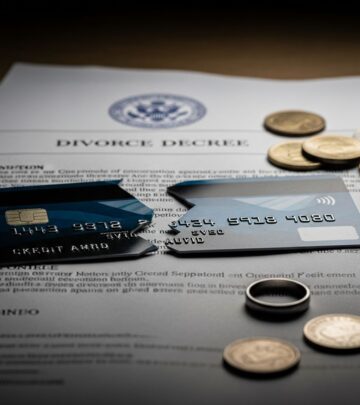
Ending a marriage doesn’t sever joint account links automatically. Divorce decrees may assign payments, but creditors hold both parties liable. Late payments post-separation damage both scores until accounts close or refinance solely.
Priority actions include separating joint accounts, removing authorized users, and disputing inaccuracies. Rebuild independently while safeguarding against lingering effects.
Common Misconceptions Debunked
Myths abound about marital credit fusion. Here’s clarity:
- Myth: Marriage merges scores. Fact: Profiles stay separate.
- Myth: Spouse’s bad credit hurts immediately. Fact: Only via joint actions.
- Myth: Name change tanks scores. Fact: Proper updates prevent issues.
- Myth: Joint apps always required. Fact: Individuals can apply solo.
Practical Tips for Credit Success in Marriage
To thrive financially:
Maintain utilization under 30%, pay balances fully monthly, and avoid new debt pre-major applications. Couples apps benefit from aligned strong profiles, securing better terms.
Leverage government resources: AnnualCreditReport.com for free reports weekly. Financial education sites offer simulators for score impacts.
FAQs
Does marriage lower my credit score?
No, it has zero direct effect. Scores derive from personal activity only.
Can I check my spouse’s credit?
Yes, with permission via services, but not without consent due to privacy laws.
What if we have joint debt in divorce?
Both remain liable; refinance or settle promptly to protect scores.
How to improve credit as a couple?
Joint monitoring, timely payments, and strategic accounts build mutual strength.
Does changing my last name affect credit?
Not if you update SSA and creditors timely; mismatches cause temporary hiccups.
References
- How Marriage Impacts Your Credit — Money Management International. 2023. https://www.moneymanagement.org/blog/what-marriage-means-for-your-credit
- What Happens to Your Credit When You Get Married? — Experian. 2024-01-15. https://www.experian.com/blogs/ask-experian/credit-education/life-events/marriage-and-credit/
- How Does Marriage Affect Credit? — Capital One. 2024. https://www.capitalone.com/learn-grow/money-management/what-happens-to-credit-when-you-get-married/
- Marriage and Money: Understanding Joint Credit Scores — Divorce Lawyers. 2023-05-10. https://www.divorcelawyers1.com/blog/marriage-and-money-understanding-joint-credit-scores/
- Myths vs. Facts: Marriage and Credit — Equifax. 2023. https://www.equifax.com/personal/education/life-stages/articles/-/learn/myths-vs-facts-marriage-and-credit/
- Credit Clarity for Couples — Parachute Credit Counseling. 2024-02. https://parachutecreditcounseling.org/credit-clarity-for-couples/
- How Marriage Affects Taxes, Student Loan Debt and More — Nationwide. 2023-11-20. https://www.nationwide.com/lc/resources/personal-finance/articles/student-loans-and-marriage
Similar Articles








Read full bio of Sneha Tete