Marketing Plan: Definition, Components, and Strategy
Learn how to create an effective marketing plan that drives business growth and customer engagement.
What Is a Marketing Plan?
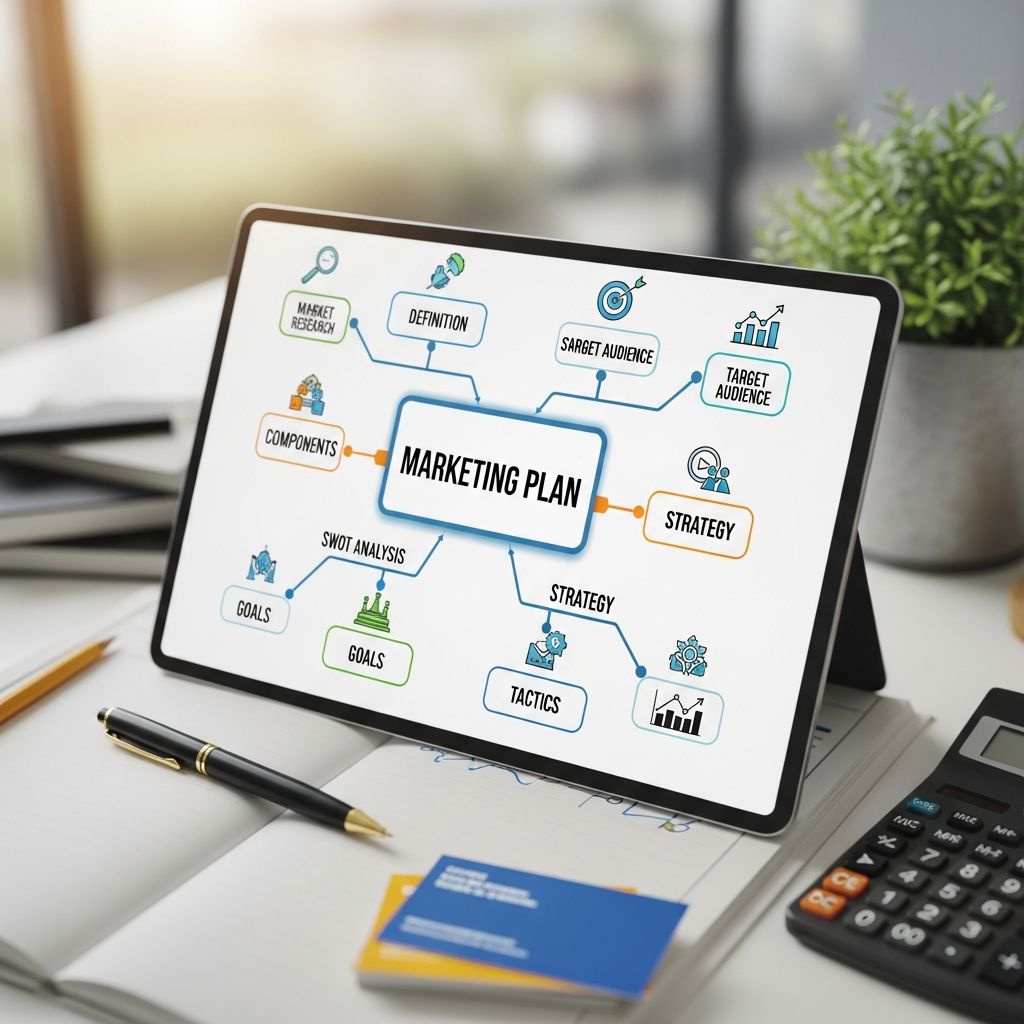
A marketing plan is a comprehensive document that outlines an organization’s overall strategy for reaching and engaging customers, driving brand awareness, and achieving business growth objectives. It serves as a roadmap that guides marketing efforts by establishing clear goals, identifying target audiences, and determining the tactics and resources needed to accomplish those goals over a specific period, typically one year or a quarter.
In today’s competitive business landscape, a well-structured marketing plan is essential for organizations of all sizes. It provides direction to the marketing team, ensures alignment across departments, and helps allocate resources efficiently. A marketing plan transforms general business objectives into actionable marketing strategies that resonate with target audiences and drive measurable results.
Key Components of a Marketing Plan
An effective marketing plan comprises several essential components that work together to create a cohesive strategy:
- Executive Summary: A concise overview of the organization, its business goals, and how marketing strategies support overall objectives. This section should be compelling and provide stakeholders with a quick understanding of the plan’s direction.
- Market Research and Analysis: Detailed insights about the industry, competitive landscape, company products, relevant benchmarks, market size, projected growth rates, and customer demand. This data informs all subsequent planning decisions.
- Target Audience Identification: A comprehensive description of your target market, including demographics, psychographics, interests, behaviors, pain points, and other distinguishing characteristics that help define buyer personas.
- Marketing Objectives: Specific, measurable, achievable, relevant, and time-bound (SMART) goals that define what the marketing efforts aim to accomplish.
- Marketing Strategies and Tactics: The methods, channels, and specific actions you’ll employ to reach and convert potential customers. This includes both digital and traditional marketing approaches.
- Budget and Resource Allocation: A detailed breakdown of financial resources dedicated to marketing activities, including employee salaries, software expenses, advertising placements, and outsourced services.
- Performance Measurement and KPIs: Specific, quantifiable metrics and key performance indicators used to track, measure, and evaluate the effectiveness of marketing efforts.
- SWOT Analysis: An assessment of organizational Strengths, Weaknesses, Opportunities, and Threats that impact marketing strategy and execution.
Step 1: Conduct Comprehensive Market Research
The foundation of any successful marketing plan begins with thorough market research. This step involves analyzing various aspects of your industry to understand the competitive landscape and customer base.
Start by examining overall market trends, including market size, projected growth rates, and customer demand patterns. This analysis reveals the total addressable market and the number of potential buyers interested in your products or services. Understanding market dynamics helps you identify opportunities for market penetration, expansion, and growth.
Next, conduct a competitive analysis by identifying direct competitors offering similar products or services. Evaluate their market share, pricing strategies, marketing approaches, strengths, and weaknesses. This competitive intelligence helps you identify gaps in the market and opportunities to differentiate your brand.
Finally, develop a deep understanding of your customer base by gathering demographic, psychographic, and behavioral data. Look for patterns in how customers make purchasing decisions, what influences their choices, and what problems your products or services solve for them.
Step 2: Define and Segment Your Target Audience
Once you understand your market, the next step involves identifying and segmenting your target audience into distinct groups. Rather than treating all potential customers as one homogeneous group, effective marketing recognizes that different customer segments have different needs, preferences, and buying behaviors.
Break down your target market into multiple target audiences or segments. For example, if you’re selling athletic goods, you might create separate target audiences based on gender, sport type, geographic location, income level, and experience level. Each segment represents individuals who share similar characteristics and purchasing motivations.
For each segment, develop detailed buyer personas—fictional representations of your ideal customers. These personas should include demographic information, interests, goals, challenges, preferred communication channels, and buying triggers. Buyer personas help your marketing team create more personalized and effective messaging that resonates with specific audience groups.
Step 3: Set Clear Marketing Objectives
Marketing objectives transform your overall business goals into specific, measurable marketing targets. Rather than vague aspirations, marketing objectives should be SMART: Specific, Measurable, Achievable, Relevant, and Time-bound.
Examples of effective marketing objectives include increasing brand awareness by 25% within six months, generating 500 qualified leads per quarter, increasing website traffic by 40% within a year, or improving customer retention rate by 15%. Clear objectives provide focus to your marketing efforts and enable you to measure success objectively.
Align your marketing objectives with broader business goals. If your company aims to expand into new markets, your marketing objectives should address customer acquisition in those new segments. If the business focuses on profitability, marketing objectives should emphasize customer lifetime value and retention.
Step 4: Develop Marketing Strategies Using the Five Ps
Effective marketing strategy relies on the classic marketing framework known as the Five Ps of Marketing: Product, Price, Place, Promotion, and People. Each P plays a crucial role in shaping your overall marketing approach and brand positioning.
Product
Product refers to the features, benefits, and value proposition your offerings provide to customers. In your marketing plan, clearly articulate what makes your product unique, what problems it solves, and what value customers receive. Consider how your product meets or exceeds customer expectations and how it compares to competitive offerings.
Price
Pricing strategy involves determining what customers are willing and able to pay for your products. Your pricing should reflect production costs, competitive positioning, perceived value, and target market purchasing power. Consider whether you’ll use premium pricing, competitive pricing, or value-based pricing strategies.
Place
Place encompasses the distribution channels and locations where your target customers can find and purchase your products. This might include physical retail stores, e-commerce platforms, direct sales, partnerships with distributors, or a combination of channels. Your distribution strategy should align with where your target audiences prefer to shop.
Promotion
Promotion includes all communication and marketing activities used to inform, persuade, and differentiate your products from competitors. This encompasses advertising, public relations, content marketing, social media, email marketing, sales promotions, and personal selling.
People
The fifth P—People—recognizes that employees and customers significantly influence brand experience and success. Your team’s customer service quality, product knowledge, and engagement directly impact customer satisfaction and loyalty. Consider how your organization will attract, develop, and empower talented employees who embody your brand values.
The optimal mix of these five elements creates a compelling value proposition that communicates what customers gain by choosing your products or services over alternatives.
Step 5: Create and Allocate Your Marketing Budget
A marketing budget establishes the total amount of money your organization will spend on marketing activities during a specific period, such as a quarter or fiscal year. Your budget should detail all expenses you’ll incur and how much you’ll allocate to each marketing activity.
Common marketing expenses include:
- Employee salaries and benefits for internal marketing team members
- Software and technology tools for marketing automation, analytics, and content management
- Paid advertising placements across digital and traditional channels
- Content creation and design services
- Public relations and media relations activities
- Outsourced marketing services and agency fees
- Marketing events and sponsorships
- Training and professional development for marketing staff
When allocating your budget, consider the relative importance of different marketing channels and tactics based on your target audience preferences, historical performance data, and strategic priorities. Regularly review and adjust your budget allocation based on campaign performance and changing business circumstances.
Step 6: Implement Your Marketing Plan
Once you’ve developed a comprehensive marketing plan, the next critical step is implementation. Begin by clearly distributing tasks and responsibilities among your internal marketing team and any external partners or agencies you’ve engaged.
Assign specific individuals or teams to execute different plan components, from developing creative messaging and designing content to managing social media channels, analyzing results, and refining strategies. Establish clear timelines, deadlines, and accountability measures for each initiative.
Create detailed project plans for major marketing campaigns, specifying deliverables, responsible parties, timelines, and resource requirements. Use project management tools to track progress, identify bottlenecks, and ensure coordination across team members and departments.
Communication is essential during implementation. Hold regular team meetings to review progress, share learnings, address challenges, and celebrate successes. Maintain alignment between marketing efforts and broader business operations.
Marketing Plan Outline and Structure
A well-organized marketing plan outline serves as a structured guide for your marketing team, ensuring everyone understands strategy, priorities, and execution details. A comprehensive outline should include:
- Executive summary with key strategic direction
- Company overview and business objectives
- Market analysis and competitive landscape assessment
- Target audience segments and buyer personas
- SWOT analysis identifying internal and external factors
- Marketing goals and objectives
- Marketing strategies and tactics for each channel
- Marketing mix (Five Ps) strategy
- Budget and resource allocation details
- Implementation timeline and milestones
- Key metrics and KPIs for performance measurement
- Risk assessment and contingency plans
By organizing your marketing plan with clear structure, your team remains focused on achieving meaningful, measurable results.
How Marketing Initiatives Drive Business Success
Effective marketing initiatives are specific campaigns or coordinated efforts designed to support your organization’s larger business objectives and marketing strategy. Whether you’re launching a new product, expanding into new markets, or increasing brand awareness, each initiative should directly align with your strategic direction.
Common marketing initiatives include:
- Content Marketing: Creating valuable, relevant resources like blog posts, whitepapers, and videos that engage customers and establish thought leadership
- Social Media Campaigns: Building brand visibility and community engagement through strategic social media marketing across relevant platforms
- Email Marketing: Nurturing leads and maintaining customer relationships through targeted email communications throughout the marketing funnel
- Search Engine Marketing: Improving visibility through search engine optimization and paid search advertising
- Influencer Partnerships: Collaborating with industry influencers to expand reach and credibility among target audiences
- Event Marketing: Hosting or participating in events that connect with customers and generate leads
Coordinated marketing initiatives ensure your organization stays relevant, maintains consistent messaging, and resonates authentically with target audiences, ultimately contributing to sustained business growth.
Tools and Resources for Marketing Plan Development
Modern businesses leverage various tools and technologies to create, execute, and manage marketing plans more efficiently. Marketing plan templates provide structured starting points that organize key sections including audience segmentation, messaging frameworks, and channel strategies.
Essential marketing tools include:
- Content Management Systems (CMS): Platforms for creating, organizing, and publishing marketing content
- Project Management Tools: Software for tracking tasks, timelines, and team collaboration
- Analytics and KPI Dashboards: Platforms for monitoring performance metrics and generating actionable insights
- Marketing Automation Software: Tools for automating repetitive marketing tasks and nurturing leads
- Customer Relationship Management (CRM) Systems: Platforms for managing customer interactions and sales pipelines
- Social Media Management Tools: Software for scheduling, monitoring, and analyzing social media performance
Frequently Asked Questions
Q: How long should a marketing plan be?
A: Marketing plan length varies based on organization size and complexity. Small businesses may develop concise 5-10 page plans, while larger enterprises may create comprehensive 20-40 page documents. Focus on providing necessary detail without unnecessary verbosity.
Q: How often should I update my marketing plan?
A: Review and update your marketing plan quarterly to incorporate new market data, competitive developments, and performance insights. Conduct comprehensive annual reviews and updates to reflect changing business priorities and market conditions.
Q: What’s the difference between a marketing plan and a marketing strategy?
A: A marketing strategy is the overarching approach and direction for marketing efforts, while a marketing plan is the detailed document that outlines specific tactics, budgets, timelines, and metrics for executing that strategy.
Q: How do I measure marketing plan success?
A: Establish clear KPIs at the outset, such as lead generation numbers, customer acquisition cost, conversion rates, brand awareness metrics, and return on marketing investment. Track these metrics regularly against targets.
Q: Should small businesses develop formal marketing plans?
A: Yes, marketing plans benefit businesses of all sizes. Even simplified plans help small businesses focus resources effectively, understand their customers better, and achieve growth more efficiently than operating without strategic direction.
References
- What Is a Marketing Plan and How to Make One? — William & Mary Online. Accessed 2025. https://online.mason.wm.edu/blog/what-is-a-marketing-plan-and-how-to-make-one
Similar Articles








Read full bio of medha deb