Marketing Mix: 4 Ps Explained With Practical Tips
Master the marketing mix framework: Product, Price, Place, and Promotion strategies.
Understanding the Marketing Mix
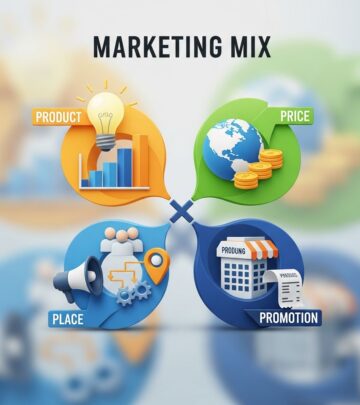
The marketing mix is a foundational concept in business strategy that provides a structured framework for developing and executing effective marketing campaigns. It serves as a strategic tool that helps businesses determine the most effective way to promote and sell their products or services to their target audience. At its core, the marketing mix addresses fundamental marketing questions that every business must answer: what product or service to offer, at what price to offer it, where customers can access it, and how to communicate its value to potential buyers.
The concept of the marketing mix originated in the late 1940s when Harvard Business School professor Neil H. Borden popularized the idea as a means of understanding the various components that contribute to successful marketing. Borden’s initial framework included at least twelve “ingredients” for successful marketing, including product planning, pricing, branding, advertising, promotions, personal selling, distribution, handling, packaging, display, servicing, and fact-finding and analysis. However, this comprehensive list was later refined into a more manageable and widely adopted framework.
The Four Ps of Marketing
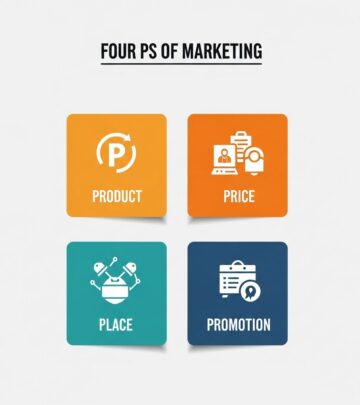
In 1960, marketing professor E. Jerome McCarthy introduced a more streamlined model that became the industry standard: the four Ps of marketing. This framework distills the complexity of marketing strategy into four essential components that work together to create a cohesive marketing approach. Understanding each of these elements is crucial for developing a balanced marketing strategy that serves customer needs while generating optimal business results.
Product
The product component refers to the goods or services that a company offers to its customers. This element encompasses more than just the physical item or service itself; it includes the product’s design, features, quality, branding, packaging, and the value proposition it delivers. When developing the product element of the marketing mix, businesses must consider what their target customers actually need and want, how their product differentiates from competitors, and what benefits customers gain from purchasing it. Successful product strategy involves continuous innovation and refinement based on customer feedback and market trends.
Price
Pricing represents the monetary value customers must exchange to obtain the product or service. This element is critical because it directly affects profitability and customer perception of value. Pricing strategy must balance several considerations: production costs, competitor pricing, customer willingness to pay, and the perceived value of the offering. Different pricing strategies—such as premium pricing for luxury goods, competitive pricing to match market rates, or penetration pricing to capture market share—can significantly impact both sales volume and profit margins. Effective pricing requires understanding both the cost structure of delivering the product and the psychology of how customers perceive price in relation to quality.
Place
Place, also known as distribution, refers to the channels through which products reach customers. This includes decisions about whether to sell directly to consumers, through retail partners, online platforms, or through a combination of distribution channels. The place element determines where customers can purchase the product, how easily they can access it, and the overall convenience of the buying process. In today’s omnichannel retail environment, companies must strategically select distribution channels that align with their target customers’ shopping preferences and behaviors. Whether customers shop online, in physical stores, or through mobile apps, the place component must be optimized for their convenience.
Promotion
Promotion encompasses all communication activities designed to inform and persuade customers about the product or service. This element includes advertising, public relations, sales promotions, content marketing, email marketing, social media strategies, display advertising, and personal selling. Promotion is often the most visible component of the marketing mix, as it directly engages with the target audience through various channels. Effective promotional strategy requires selecting the right channels to reach the target market, crafting compelling messages that resonate with customer needs and desires, and integrating promotional efforts across multiple platforms to create a unified brand experience.
Extended Marketing Mix Models
While the four Ps remain the most widely accepted framework in marketing, various adaptations and extensions have emerged to address the evolving business landscape and specific industry needs. These expanded models recognize that certain business contexts require additional considerations beyond the traditional four Ps.
The Four Cs Model
In response to the growing focus on customer-centric marketing, an alternative framework emerged that reframes the four Ps from the customer’s perspective. The four Cs model replaces each P with a corresponding C: commodity (instead of product), cost (instead of price), channel (instead of place), and communication (instead of promotion). This model emphasizes understanding what customers truly want, what they are willing to pay, how they prefer to interact with brands, and what messaging resonates with them. This customer-focused approach has gained traction in modern marketing because it encourages businesses to think deeply about customer needs and preferences rather than merely focusing on what companies have to sell.
The Seven Ps Model
For service-oriented businesses, marketers have expanded the traditional framework to include three additional elements, creating the seven Ps model. In addition to the original four Ps, this extended mix incorporates:
Digital and Modern Adaptations
As digital marketing has become increasingly important, marketers have proposed additional frameworks that reflect contemporary business realities. In 2004, marketing strategist Sidney Peimer introduced the “Internet Mix,” which focused on three key digital elements: sell (trade), tell (inform), and dwell (entertain). This framework recognized that digital channels provide unique opportunities for online commerce, information sharing, and engagement with audiences in ways that traditional channels cannot replicate.
Building an Effective Marketing Mix Strategy
Creating a successful marketing mix requires careful balance and integration of all components. Rather than treating each element in isolation, effective marketers recognize that these components are interconnected and must work together to create a unified brand experience.
Integration Across Components
The elements of the marketing mix influence one another significantly. A premium product typically commands a higher price, which may require different promotional messaging and distribution channels than a budget alternative. Similarly, if a company chooses to distribute primarily through online channels, its promotional strategy must emphasize digital marketing tactics. Successful businesses ensure that product quality aligns with pricing strategy, distribution decisions complement the target market’s shopping preferences, and promotional messages effectively communicate the product’s value proposition to the intended audience.
Adapting to Market Conditions
The marketing mix is not static; it must be continuously adjusted based on market competition, changing consumer preferences, and evolving business objectives. Companies that successfully navigate uncontrollable external factors—such as market competition, economic conditions, and consumer behavior shifts—are those that regularly reassess their marketing mix and make strategic adjustments as needed. This requires ongoing market research, customer feedback analysis, and competitive intelligence gathering to ensure the marketing mix remains relevant and effective.
Practical Examples of Marketing Mix Application
Consider a streaming entertainment service’s marketing mix:
| Element | Application |
| Product | Original quality entertainment content with convenient viewing access across multiple devices |
| Price | Free trial offers, tiered subscription packages, and commercial-free premium options |
| Place | Digital delivery through smart TVs, computers, tablets, and smartphones |
| Promotion | Multi-channel advertising including metropolitan billboards, magazine placements, social media marketing, and word-of-mouth strategies |
Optimizing Each Element of the Marketing Mix
Product Optimization
To strengthen the product component of your marketing mix, focus on understanding your customer’s actual needs and developing solutions that exceed their expectations. Invest in product development and quality improvement, as product excellence often generates customer satisfaction that transcends marketing efforts. Share authentic customer stories and testimonials that demonstrate real-world value, and maintain a product mindset that prioritizes quality before considering how to promote it.
Price Optimization
Effective pricing strategy requires deep understanding of both costs and customer perception. Research your competitive landscape to ensure pricing aligns with market expectations, while also considering your cost structure and desired profit margins. Consider offering tiered pricing options to serve different customer segments, and test different price points to identify the optimal balance between volume and profitability.
Place Optimization
Evaluate all available distribution channels and select those that align with your target customers’ shopping preferences. In today’s multichannel environment, omnichannel strategies that integrate online and offline touchpoints often prove most effective. Ensure that customers can easily access your product through their preferred channels and that inventory and fulfillment systems support seamless purchasing experiences.
Promotion Optimization
Build integrated promotional strategies that combine multiple channels into a unified omnichannel approach. Segment promotional efforts based on customer behavior and preferences, test different promotional messages and tactics, and adjust marketing spend based on response rates and return on investment. Embrace personalized marketing approaches that speak directly to individual customer needs and interests, and remember that modern promotion should be a two-way conversation where companies listen to customer feedback and respond with relevant solutions.
Frequently Asked Questions
What is a marketing mix and why is it important?
A marketing mix is a strategic framework consisting of interconnected elements that businesses use to develop comprehensive marketing strategies. It is important because it provides a structured approach to addressing key marketing decisions about products, pricing, distribution, and promotion, ensuring that all marketing activities work together to achieve business objectives and meet customer needs.
What are the 4 Ps of marketing?
The 4 Ps are Product (what you sell), Price (what customers pay), Place (where customers can buy it), and Promotion (how you communicate value to customers). These four elements were introduced by E. Jerome McCarthy in 1960 and remain the most widely recognized marketing framework in the industry.
How does the 7 Ps model differ from the 4 Ps?
The 7 Ps model expands the traditional 4 Ps by adding three additional elements: People (employees and service providers), Process (systems for service delivery), and Physical Evidence (tangible elements associated with services). This extended model is particularly useful for service-based businesses where these additional factors significantly impact customer experience.
How can I develop an effective marketing mix for my business?
Start by thoroughly understanding your target market and their needs. Analyze your competition and market conditions. Then, develop each element of the marketing mix (or seven Ps if you operate in services) in a way that addresses customer needs while supporting your business objectives. Ensure that all elements work together cohesively to create a unified brand experience, and regularly reassess and adjust your mix based on market feedback and changing conditions.
Is the 4 Ps model still relevant in digital marketing?
Yes, the 4 Ps framework remains highly relevant in digital marketing, though its application has evolved. Digital channels have changed how companies approach place and promotion, and pricing strategies often incorporate digital tactics. Many digital marketing professionals continue to use the 4 Ps as a foundational framework while adapting it to digital channels and customer behaviors.
References
- Marketing Mix — EBSCO Research Starters. 2024. https://www.ebsco.com/research-starters/marketing/marketing-mix
- Marketing Mix: The 7 Ps of Marketing — Mailchimp Marketing Glossary. 2024. https://mailchimp.com/marketing-glossary/marketing-mix-7ps/
- The Concept of the Marketing Mix — Neil H. Borden. Journal of Advertising Research, 1964.
- From Marketing Mix to e-Marketing Mix: A Literature Overview and Classification — Gandolfo Dominici. International Journal of Business and Management, vol. 4, no. 9, 2009. https://doi.org/10.5539/ijbm.v4n9p17
- Rethinking The 4 P’s In The Digital Marketing Mix — Frank Rojas, Forbes. April 24, 2023. https://www.forbes.com/sites/forbesagencycouncil/2023/04/24/rethinking-the-4-ps-in-the-digital-marketing-mix/
Similar Articles








Read full bio of Sneha Tete