Marketing: Definition, Strategy, and Business Impact
Master marketing fundamentals: strategies, channels, and ROI optimization for business growth.
What Is Marketing?
Marketing is the process of identifying, creating, and delivering value to customers and clients. It encompasses all activities a business undertakes to promote, sell, and distribute products or services to a target audience. Beyond simple advertising, modern marketing involves understanding customer needs, developing solutions that meet those needs, and communicating the benefits of those solutions through various channels.
The American Marketing Association defines marketing as the activity, set of institutions, and processes for creating, communicating, delivering, and exchanging offerings that have value for customers, clients, partners, and society at large. This comprehensive definition reflects how marketing has evolved from a purely sales-focused function to a strategic business discipline that influences every aspect of an organization.
Core Functions of Marketing
Marketing performs several essential functions within an organization:
- Market Research and Analysis: Understanding customer demographics, preferences, behaviors, and market trends to inform business decisions
- Product Development: Creating offerings that align with customer needs and market opportunities
- Pricing Strategy: Determining optimal price points that maximize value perception and profitability
- Promotion and Advertising: Communicating product benefits through various media channels to reach target audiences
- Distribution: Ensuring products reach customers through appropriate channels and locations
- Customer Relationship Management: Building and maintaining relationships with customers to encourage loyalty and repeat business
- Brand Development: Creating distinctive brand identities that differentiate products and services in competitive markets
The Marketing Mix: The Four Ps
Traditional marketing strategy relies on the “Four Ps” framework, which represents the key elements of a marketing campaign:
| Element | Description | Strategic Considerations |
|---|---|---|
| Product | The actual good or service being marketed | Quality, features, design, packaging, and brand name |
| Price | The cost charged to customers | Value perception, competition, production costs, target market |
| Place | Distribution channels and locations | Retail outlets, online platforms, partnerships, accessibility |
| Promotion | Communication and advertising methods | Advertising, public relations, sales promotions, direct marketing |
Modern Marketing Strategies
Digital Marketing
Digital marketing leverages online channels to reach and engage customers. This includes search engine optimization (SEO), pay-per-click advertising (PPC), social media marketing, email campaigns, and content marketing. Digital channels offer precise targeting capabilities, real-time performance measurement, and cost-effective reach compared to traditional advertising methods.
Content Marketing
Content marketing focuses on creating and distributing valuable, relevant information to attract and retain a clearly defined audience. Rather than directly promoting products, content marketing builds trust by providing educational resources, industry insights, and solutions to customer problems. This approach generates organic traffic, establishes thought leadership, and improves search engine rankings.
Social Media Marketing
Social media platforms provide direct channels for brands to engage with customers, build communities, and promote products. Effective social media marketing involves creating shareable content, responding to customer inquiries, running targeted advertisements, and leveraging influencer partnerships to expand reach and credibility.
Email Marketing
Email remains one of the highest-ROI marketing channels. Segmented email campaigns nurture leads, maintain customer relationships, announce promotions, and drive repeat purchases. Personalization and targeted messaging significantly improve open rates, click-through rates, and conversion metrics.
Search Engine Marketing (SEM)
SEM combines organic search optimization (SEO) with paid search advertising (PPC). Businesses bidding on relevant keywords appear prominently in search results when potential customers seek solutions. This channel offers excellent targeting precision and measurable results tied directly to business objectives.
Influencer Marketing
Partnering with influencers who have established audiences allows brands to reach new markets through trusted voices. This strategy works particularly well for younger demographics and lifestyle brands, leveraging influencer credibility to drive awareness and conversions.
Marketing Strategy Development
Successful marketing strategies begin with clear objectives aligned with overall business goals. Key components include:
- Target Audience Definition: Creating detailed buyer personas representing ideal customers
- Competitive Analysis: Understanding competitor strategies, strengths, and market positioning
- Value Proposition: Articulating unique benefits and reasons customers should choose your offering
- Channel Selection: Choosing optimal marketing channels based on audience preferences and campaign objectives
- Budget Allocation: Distributing marketing resources across channels for maximum ROI
- Performance Metrics: Establishing KPIs to measure strategy effectiveness and guide optimization
The Customer Journey in Marketing
Modern marketing recognizes that customers progress through distinct stages before, during, and after purchase. Understanding this journey enables marketers to deliver appropriate messages at each stage:
- Awareness Stage: Potential customers discover your brand through various touchpoints
- Consideration Stage: Prospects evaluate your offering against alternatives
- Decision Stage: Customers make purchase decisions based on perceived value
- Retention Stage: Post-purchase interactions build loyalty and encourage repeat business
- Advocacy Stage: Satisfied customers become brand ambassadors recommending to others
Marketing Analytics and Measurement
Data-driven marketing relies on comprehensive measurement frameworks to evaluate performance. Key metrics include conversion rates, customer acquisition costs (CAC), lifetime value (LTV), return on marketing investment (ROMI), and engagement metrics. Advanced analytics tools enable marketers to track customer behavior, identify trends, and optimize campaigns in real-time based on performance data.
Inbound vs. Outbound Marketing
Inbound marketing attracts customers through valuable content and experiences tailored to their interests. This pull-based approach includes content marketing, SEO, social media engagement, and referral programs. Inbound strategies typically generate higher-quality leads and lower customer acquisition costs.
Outbound marketing pushes messages directly to audiences through traditional advertising, cold calling, email campaigns, and direct mail. While often less targeted, outbound approaches can generate immediate awareness and reach broad audiences quickly.
Brand Marketing and Positioning
Strong brands command premium pricing, build customer loyalty, and create sustainable competitive advantages. Brand marketing involves developing distinctive identities, consistent messaging, and emotional connections with customers. Effective brand positioning clearly differentiates offerings and communicates unique value propositions that resonate with target audiences.
Emerging Marketing Trends
Marketing continues evolving with technological advancement and changing consumer preferences. Current trends include personalization at scale using artificial intelligence, video marketing across platforms, voice search optimization, interactive content experiences, sustainability messaging, and experiential marketing that creates memorable brand interactions.
Marketing’s Role in Business Growth
Marketing drives business growth by expanding market reach, increasing brand awareness, generating qualified leads, and converting prospects into customers. Integrated marketing strategies create synergy across channels, amplifying messages and maximizing impact. Continuous optimization based on performance data ensures marketing investments deliver expected returns and support long-term business objectives.
Frequently Asked Questions (FAQs)
Q: What is the primary goal of marketing?
A: The primary goal of marketing is to create value for customers while achieving business objectives. This includes building awareness, generating leads, driving sales, building brand loyalty, and establishing long-term customer relationships that support sustainable business growth.
Q: How does digital marketing differ from traditional marketing?
A: Digital marketing uses online channels like social media, search engines, and email to reach audiences, offering precise targeting and measurable results. Traditional marketing uses offline channels like television, radio, and print. Digital marketing typically provides better ROI tracking and cost-effectiveness for most businesses.
Q: What is a marketing funnel?
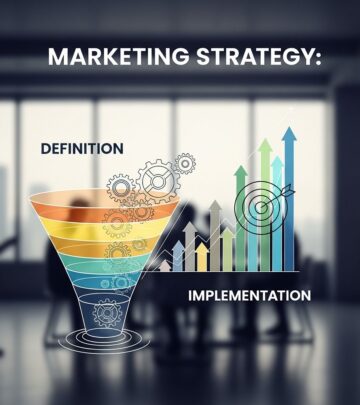
A: A marketing funnel visualizes the customer journey from awareness through purchase. The top represents broad audience awareness, the middle shows prospects actively considering purchases, and the bottom represents converting customers. Understanding funnel stages helps optimize marketing efforts at each level.
Q: How do businesses measure marketing success?
A: Businesses measure marketing success using key performance indicators (KPIs) including conversion rates, customer acquisition costs, lifetime value, return on marketing investment, engagement metrics, and brand awareness metrics. The specific metrics depend on campaign objectives and business goals.
Q: What is content marketing?
A: Content marketing involves creating and distributing valuable information to attract, engage, and retain customers. Rather than directly selling, content marketing educates audiences and builds trust, generating organic traffic and establishing brands as industry authorities.
Q: Why is audience segmentation important in marketing?
A: Audience segmentation divides broad markets into smaller groups with shared characteristics, preferences, or behaviors. This enables targeted messaging, improved relevance, better resource allocation, higher conversion rates, and more efficient marketing spend compared to one-size-fits-all approaches.
Q: What is marketing ROI and how is it calculated?
A: Marketing ROI measures the return generated from marketing investments. It’s calculated as (Revenue Generated – Marketing Costs) / Marketing Costs × 100. Positive ROI indicates profitable marketing campaigns, while comparing ROI across channels helps optimize budget allocation.
References
- Definition of Marketing – What is Marketing? — American Marketing Association. Accessed 2025. https://www.ama.org/the-definition-of-marketing-what-is-marketing/
- The Marketing Mix: The 4Ps of Marketing — Harvard Business School Publishing. Accessed 2025. https://online.hbs.edu/
- Digital Marketing: Trends and Statistics — Statista Digital Market Insights. 2025. https://www.statista.com/outlook/dmo/digital-marketing/
- Content Marketing Institute Research — Content Marketing Institute. 2024-2025. https://contentmarketinginstitute.com/
- Marketing Performance Metrics and KPIs — HubSpot Academy. Accessed 2025. https://academy.hubspot.com/
- Customer Journey Mapping Best Practices — Nielsen Norman Group. 2024-2025. https://www.nngroup.com/
Similar Articles








Read full bio of Sneha Tete