Market Volatility: 5 Practical Strategies For Investors
Understand the forces behind price swings, how to measure them, and proven strategies to thrive amid uncertainty.
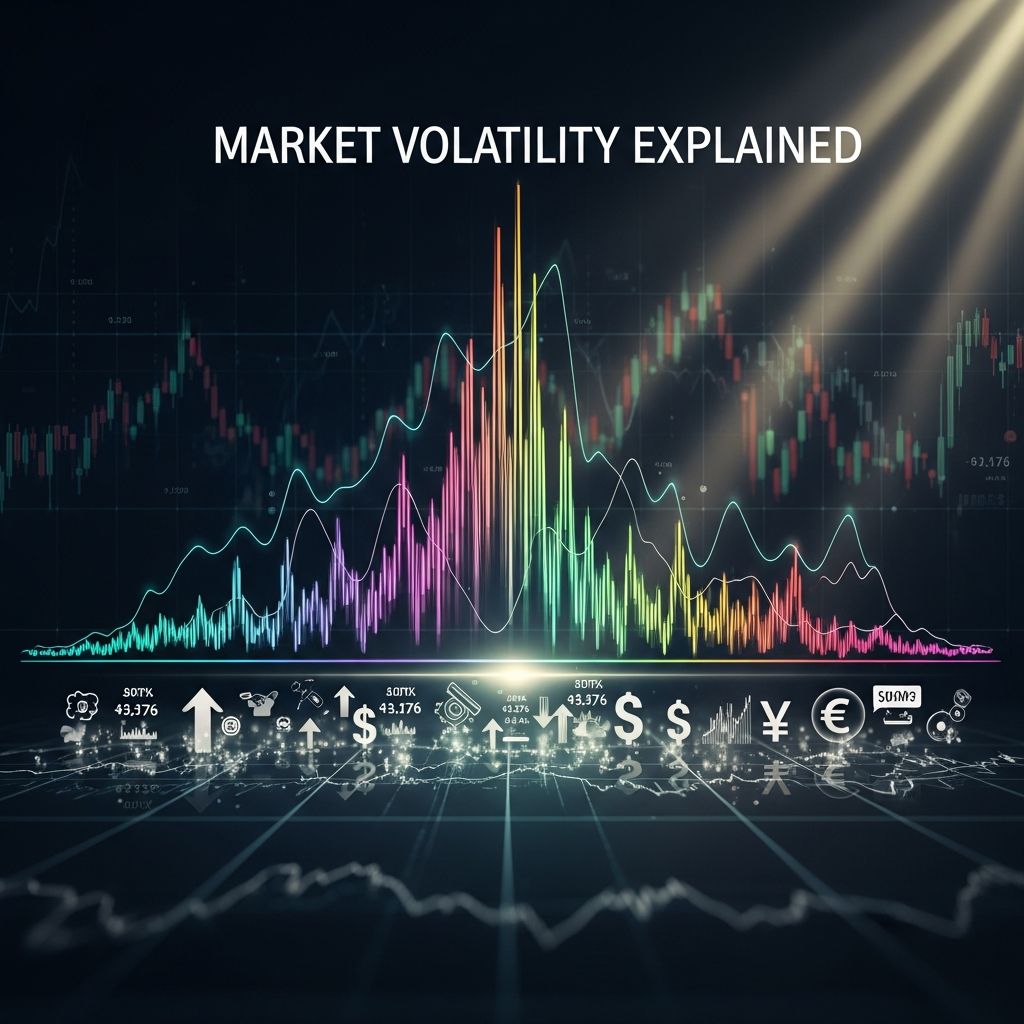
Market Volatility Explained
Market volatility represents the rate and magnitude of price changes in financial assets, creating both risks and opportunities for investors. Grasping this concept is essential for navigating investments effectively, as it influences decision-making across stocks, bonds, and indices.
Defining Volatility in Financial Markets
At its core, volatility quantifies the dispersion of returns for a given security or market index over a specific timeframe. High volatility means prices swing dramatically up or down in short periods, often driven by new information or sentiment shifts. Low volatility, by contrast, features gradual, predictable movements.
For instance, individual stocks can experience daily shifts of several percentage points, while broad indices like the S&P 500 typically see smaller daily changes under normal conditions—often less than 1%. Extreme events, however, can push indices to move over 10% in a single day, highlighting volatility’s potential intensity.
Key Metrics for Gauging Volatility
Investors rely on standardized tools to assess volatility levels. These metrics provide quantifiable insights into past behavior and future expectations.
- Standard Deviation: This statistical measure calculates how much an asset’s returns deviate from their average over time, expressed as a percentage. A higher value indicates greater unpredictability.
- Beta: Beta compares a stock’s volatility to a benchmark like the S&P 500. A beta above 1 signals higher volatility than the market; below 1 means lower. For example, growth stocks often exceed 1, while established value stocks fall below.
- VIX Index: Dubbed the ‘fear gauge,’ the VIX from the Chicago Board Options Exchange tracks expected 30-day volatility in the S&P 500 via options prices. Readings below 15 suggest calm; above 30 indicate heightened anxiety.
- Historical vs. Implied Volatility: Historical looks backward at price data, while implied forecasts forward based on options trading. Both help contextualize current conditions.
| Metric | Description | Typical Range | Interpretation |
|---|---|---|---|
| Standard Deviation | Deviation from average returns | 10-30% annually | Higher = more fluctuation |
| Beta | Relative to market benchmark | 0.5-1.5 | >1 = amplifies market moves |
| VIX | Expected S&P 500 volatility | 10-50 | >30 = high fear |
Primary Drivers of Market Swings
Volatility arises from a mix of fundamental, emotional, and technical factors that prompt rapid reallocations of capital.
Economic Indicators and Reports
Data releases on inflation, employment, GDP, or consumer spending can shift expectations overnight. Stronger-than-anticipated inflation might fuel fears of rate hikes, pressuring stock prices downward.
Corporate Earnings Announcements
Quarterly results from bellwethers like tech giants often trigger immediate reactions. Beats on estimates propel shares higher; misses provoke sell-offs.
Monetary Policy Shifts
Central bank decisions on interest rates directly affect borrowing costs and profitability. Rate increases typically cool equity markets by raising expenses for companies.
Geopolitical and Global Events
Tensions from elections, conflicts, or trade disputes introduce uncertainty, driving flows to safe havens like bonds or gold.
Sentiment and Behavioral Factors
Fear and greed amplify moves through herd mentality. Panic selling cascades during downturns, while euphoria fuels bubbles.
Technological Trading Influences
Algorithmic and high-frequency trading executes massive orders in fractions of seconds, exacerbating short-term swings.
Historical Volatility Episodes
Examining past crises reveals patterns in volatility spikes and recoveries.
- 2008 Financial Crisis: The VIX soared to 79.13 in October 2008 from 19.58 in August, amid the Dow’s record 777-point drop on September 29. Commodities saw 50% higher volatility than usual.
- COVID-19 Pandemic: In March 2020, the VIX hit a historic 83, as the S&P 500 shed one-third of its value in weeks—from pandemic lows to rapid rebounds.
These events underscore how crises elevate implied volatility, reflecting trader hedging via options.
Risks and Opportunities in Volatile Conditions
While volatility heightens loss potential, it also creates profit avenues for prepared participants.
Risks: Rapid declines can wipe out gains, especially for leveraged positions. Emotional trading often leads to buying high and selling low.
Opportunities: Breakouts in volatile markets sustain momentum longer than in calm periods, benefiting traders with tight risk controls like stop-losses.
Practical Strategies for Investors
To handle volatility, adopt disciplined approaches tailored to your risk tolerance.
- Diversification: Spread holdings across asset classes to mitigate single-security shocks.
- Long-Term Focus: Volatility evens out over time; historical data shows markets trend upward despite swings.
- Options for Hedging: Use puts or VIX-related products to protect portfolios during high-fear periods.
- Rebalancing: Periodically adjust allocations to maintain target risk levels.
- Cash Reserves: Hold liquidity to capitalize on dips without forced selling.
For active traders, volatile environments suit strategies like momentum plays or volatility arbitrage, but demand strict position sizing.
Volatility Across Asset Classes
Volatility isn’t uniform; it varies by market segment.
| Asset Class | Avg. Annual Volatility | Key Influences |
|---|---|---|
| Stocks (S&P 500) | 15-20% | Earnings, rates |
| Individual Tech Stocks | 30-50% | News, innovation |
| Bonds | 5-10% | Interest rates |
| Commodities | 20-40% | Supply shocks |
Tech-heavy portfolios exhibit higher betas, amplifying market moves.
FAQs
What causes sudden market drops?
Sudden drops often stem from negative economic data, poor earnings, or panic selling, where traders rush to exit positions.
Is high VIX always bad for stocks?
Not necessarily; it signals fear and can precede rebounds as markets overshoot to the downside.
How can beginners handle volatility?
Start with index funds, avoid timing the market, and focus on dollar-cost averaging to smooth entry points.
Does volatility affect bonds too?
Yes, though less intensely; rate changes drive bond price swings inversely to yields.
Can algorithms predict volatility?
They detect patterns but can’t foresee black swan events like pandemics or crises.
Building Resilience in Uncertain Times
Ultimately, volatility is inherent to markets, rewarding those who prepare rather than react. By monitoring indicators like VIX and beta, understanding drivers, and employing risk management, investors position themselves for long-term success amid fluctuations. Regular portfolio reviews and staying informed on economic calendars further enhance preparedness.
In summary, while sharp swings test resolve, they also underscore investing’s dynamic nature—where informed navigation turns turbulence into advantage.
References
- Market Volatility Explained: Why Prices Rise and Fall — Gotrade. 2023. https://heygotrade.com/en/blog/market-volatility-explained
- What Is Market Volatility? — Bankrate. 2024-01-15. https://www.bankrate.com/investing/what-is-market-volatility/
- Understanding Market Volatility — eToro. 2023. https://www.etoro.com/stocks/market-volatility/
- Volatility — FINRA.org. 2024. https://www.finra.org/investors/investing/investing-basics/volatility
- How You Can Navigate Market Volatility — Citizens Bank. 2023-11-20. https://www.citizensbank.com/learning/how-you-can-prepare-for-a-volatile-market.aspx
- How Traders Can Take Advantage of Volatile Markets — Charles Schwab. 2024. https://international.schwab.com/investing-education/how-traders-can-take-advantage-volatile-markets
Similar Articles





Read full bio of medha deb