Manufacturing Resource Planning: Complete Guide
Master MRP systems: optimize production, reduce costs, and streamline manufacturing operations.
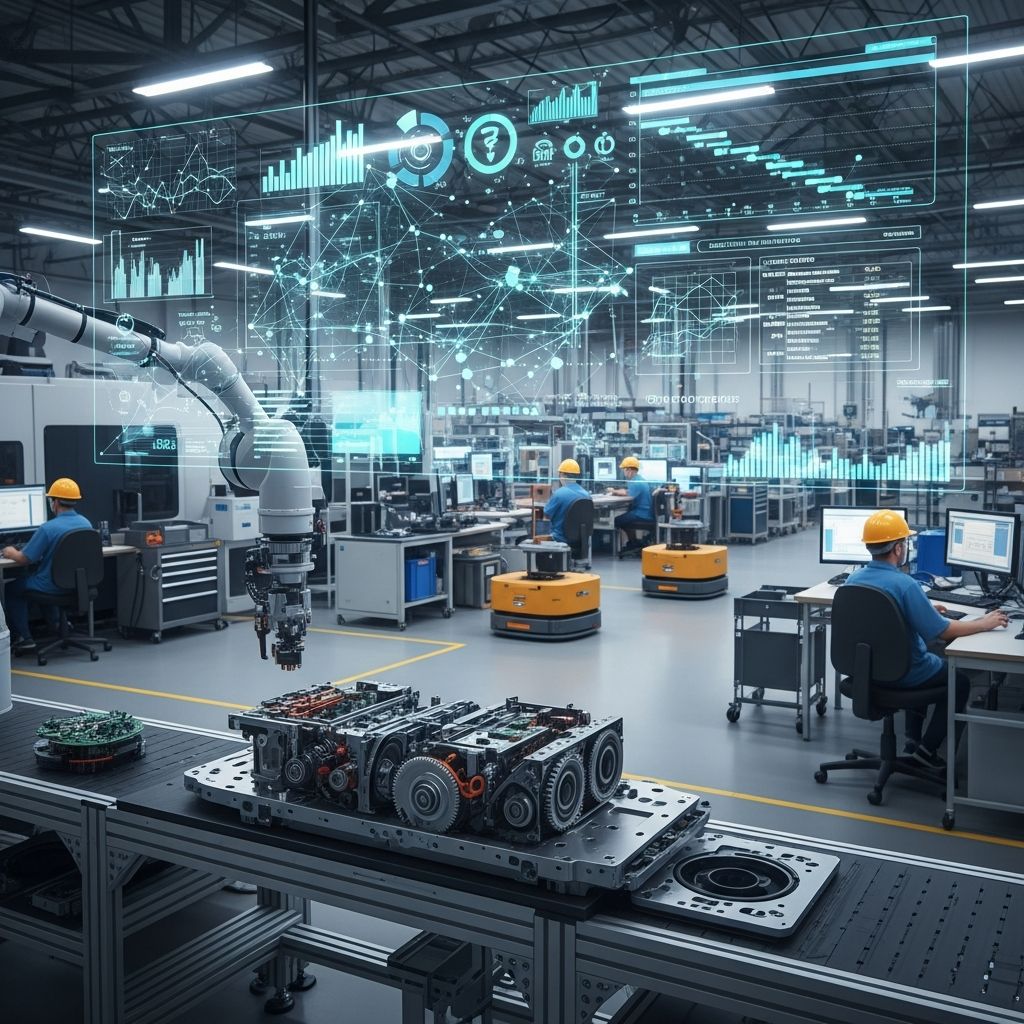
What Is Manufacturing Resource Planning?
Manufacturing Resource Planning, commonly known as MRP or MRP II, is a comprehensive software-based system designed to help manufacturers manage and control their production processes, inventory levels, and resource allocation. This system serves as the central nervous system of manufacturing operations, integrating data from various departments to create a unified platform for decision-making and operational control. MRP systems identify needed materials, estimate quantities required, calculate when materials will be required to meet production schedules, and manage delivery timing to ensure seamless production flow.
The fundamental purpose of manufacturing resource planning is to streamline and strengthen the natural process of resource planning and management through automation, tracking, and complex calculations. Unlike traditional spreadsheet-based methods that work for businesses with low sales volume and few products, MRP becomes essential as materials management grows in complexity. Modern MRP systems leverage historical data, advanced algorithms, and real-time analytics to provide manufacturers with the insights needed to operate efficiently in today’s competitive landscape.
How Manufacturing Resource Planning Systems Work
MRP systems operate through a structured process that converts data inputs into actionable outputs such as work orders and material plans. Understanding this workflow is crucial for maximizing the value of your MRP investment.
The Basic MRP Process
The functioning of an MRP system begins with the production planner generating a production plan using comprehensive data about historical sales, confirmed orders, current inventory levels, and already scheduled work orders. The system takes into account critical factors such as production capacity and vendor delivery times to create realistic and achievable schedules.
Based on the production schedule, the system generates a materials requirement plan that outlines the specific quantities of raw materials and components needed to manufacture the required number of finished goods. This data is then used to highlight the creation of new purchase orders for any materials that are missing or have low stock, automating what would otherwise be a time-consuming manual process.
Real-Time Data Integration
Real-time data integration is a critical feature of modern manufacturing resource planning systems. Most current MRP tools provide a continuous, instantaneous view into all facets of manufacturing operations, including raw material inventory, work-in-progress, machine status, and order fulfillment. This live view of data and operations enables manufacturers to make more informed decisions and respond quickly to any emerging issues or changes across the entire manufacturing ecosystem.
Effective MRP II systems rely on accurate data inputs to generate reliable production schedules and material requirements, helping identify production bottlenecks and improving overall manufacturing efficiency. The system coordinates labor availability, material delivery, routings, and production capacity along the production line, creating a synchronized manufacturing environment.
Key Benefits of Manufacturing Resource Planning
Improved Inventory Management
Managing inventory is a challenging task for manufacturers, especially when dealing with multiple products and suppliers. MRP systems simplify this process by providing accurate and up-to-date information on inventory levels, reorder points, and lead times. This helps manufacturers avoid stockouts and overstock situations, ensuring that materials are always available when needed.
Modern MRP solutions use demand-driven planning techniques that dynamically adjust inventory buffers based on real consumption patterns and supply variability. This approach ensures that safety stock levels are just right—enough to cover fluctuations without wasting resources. The results are lower carrying costs, less risk of product obsolescence, and improved cash flow.
Enhanced Production Scheduling
MRP II supports production efficiency by coordinating multiple elements of the manufacturing process. Enhanced production scheduling is crucial for managing manufacturing efficiency and meeting customer demands. Features of modern MRP systems, such as AI-powered demand forecasting and real-time visibility, enable more accurate demand forecasting. With more accurate forecasts, manufacturers can ensure materials are available exactly when needed, which means no stockouts, no production delays, and quicker turnaround times.
Optimized Resource Allocation
Effective resource allocation is essential for maximizing productivity and minimizing costs. MRP systems provide detailed insights into resource availability, enabling manufacturers to allocate labor, machinery, and materials efficiently. This ensures that production resources are utilized optimally, reducing idle time and increasing overall efficiency. Additionally, MRP systems can help identify resource constraints and suggest alternative solutions, further enhancing resource management.
Enhanced Demand Forecasting
Accurate demand forecasting is essential for effective production planning and inventory management. MRP systems leverage historical data and advanced algorithms to generate demand forecasts, helping manufacturers anticipate future customer needs. This enables manufacturers to align their production schedules with market trends, reducing the risk of overproduction or underproduction. By improving demand forecasting, MRP systems contribute to better customer satisfaction and increased profitability.
Reduced Operational Costs
One of the primary objectives of implementing an MRP system is to reduce operational costs. MRP systems achieve this by optimizing inventory levels, minimizing production delays, and improving resource allocation. Additionally, MRP systems can identify cost-saving opportunities, such as bulk purchasing or alternative suppliers. By reducing operational costs, manufacturers can increase their profitability and remain competitive in the market.
Key Advantages of MRP II Systems
While traditional MRP systems focus primarily on materials planning, MRP II (Manufacturing Resource Planning) extends these capabilities to encompass all manufacturing resources. Here are the major advantages that MRP II systems bring to organizations:
- Balances Capacity and Demand: MRP II uses demand forecasting features to estimate future customer demand for products based on past data, gauging the production volume needed and comparing it to production capacity.
- Improved Customer Experience: By fulfilling orders on time and reducing production delays, MRP systems enhance customer satisfaction and loyalty.
- Increased Efficiency: MRP systems facilitate communication and eliminate manual processes, leading to significant efficiency gains in manufacturing operations.
- Enhanced Work Scheduling: The system aligns work scheduling with labor time, optimizing workforce utilization and reducing idle time.
- Competitive Pricing: By reducing costs and improving efficiency, manufacturers can offer more competitive pricing to their customers.
- Increased Productivity: A properly set up modern MRP system greatly increases worker productivity, as manufacturing data is available in real time and workers have instant access to relevant information.
- Improved Collaboration: MRP systems facilitate seamless collaboration and communication between different departments through a centralized platform for sharing information.
Benefits of Implementing Manufacturing Resource Systems
Implementing MRP II systems can lead to significant efficiency gains in manufacturing operations:
- Minimizing inventory levels and reducing costs
- Utilizing advanced planning techniques
- Developing detailed production schedules
- Improving overall resource allocation
- Faster production cycles and reduced stockouts
- Lower carrying costs through smarter buffer placement
A capable MRP system can accommodate pretty much any type of manufacturing methodology, from make-to-stock to engineer-to-order. The system helps achieve end-to-end traceability within both the supply chain and the manufacturing process, providing visibility and control throughout the entire production cycle.
Practical Applications of MRP Systems
Manufacturing Planning Made Easy
Modern MRP systems streamline numerous operational tasks that would otherwise consume significant time and resources:
- Quickly estimate material costs and lead times when quoting or scheduling new manufacturing orders
- Automatically book parts from stock and create prefilled purchase orders for missing parts when creating a work order
- Maintain one integrated MRP system for materials planning to avoid stock-outs and maintain optimal inventory levels
- Provide simple dashboard overview of the whole manufacturing process from order management to shipping
Comprehensive Capabilities
Modern MRP systems enable manufacturers to:
- Comprehensively plan and schedule production for many different manufacturing types and manage inventories and order processing
- Control the flow of client information and communicate with clients through integrated customer relationship management
- Effectively manage human resources and workstation capacity utilization
- Help achieve end-to-end traceability within both the supply chain and the manufacturing process
Why Manufacturing Resource Planning Is Important
Manufacturing resource planning allows for a more productive and tight production schedule that keeps costs low. But it also provides valuable data from the production floor that organizations can use to address issues that slowed down manufacturing in the past—preventing repetition of costly mistakes.
There is also a workload reduction that results from applying resource planning, which in turn creates greater efficiency. The data collected helps organizations plan and make more accurate production cost estimates that lead to greater profitability. For growth-focused businesses that juggle materials—whether for manufacturing or directly for sale to customers—MRP streamlines and strengthens the natural process of resource planning and management through automation, tracking, and complex calculations.
As companies scale, the complexity of managing materials increases exponentially. What can be managed with spreadsheets at low volumes becomes impossible to control manually as the business grows. MRP helps with planning and the scheduling of equipment and skilled personnel, keeps inventory lean, reduces waste, and minimizes ship times.
Comparison: Traditional Systems vs. Modern MRP
| Feature | Traditional Methods | Modern MRP Systems |
|---|---|---|
| Data Integration | Manual spreadsheets and siloed systems | Real-time integrated platform |
| Demand Forecasting | Basic historical analysis | AI-powered advanced algorithms |
| Inventory Management | High safety stock levels | Demand-driven dynamic buffers |
| Decision Making | Reactive and delayed | Proactive with real-time insights |
| Scalability | Limited capacity | Adapts to growing business needs |
| Error Rate | High manual data entry errors | Reduced errors through automation |
Frequently Asked Questions About Manufacturing Resource Planning
Q: What types of businesses need MRP systems?
A: MRP systems are essential for manufacturers of all sizes, as well as restaurants, consumer products firms, and professional service organizations that manage materials and inventory. Businesses with higher complexity in materials management particularly benefit from MRP automation and sophisticated forecasting capabilities.
Q: How does MRP differ from MRP II?
A: While MRP focuses primarily on materials planning and inventory management, MRP II (Manufacturing Resource Planning) extends these capabilities to encompass all manufacturing resources, including labor, machinery, and capacity planning. MRP II provides manufacturers with the ability to utilize far more advanced planning techniques and develop more detailed production schedules.
Q: Can MRP systems handle different manufacturing methodologies?
A: Yes, a capable MRP system can accommodate pretty much any type of manufacturing methodology, from make-to-stock to engineer-to-order. Modern systems are flexible enough to adapt to various production approaches and business models.
Q: What is the main advantage of real-time data in MRP systems?
A: Real-time data integration enables manufacturers to have continuous, instantaneous visibility into all aspects of manufacturing operations. This allows for more informed decision-making and quick response to emerging issues or changes across the manufacturing ecosystem, ultimately improving efficiency and reducing delays.
Q: How do MRP systems reduce operational costs?
A: MRP systems reduce costs by optimizing inventory levels, minimizing production delays, improving resource allocation, and identifying cost-saving opportunities such as bulk purchasing or alternative suppliers. They also reduce carrying costs through smarter buffer placement and lower the risk of product obsolescence.
Q: What role does demand forecasting play in MRP systems?
A: Accurate demand forecasting is essential for effective production planning and inventory management. MRP systems leverage historical data and advanced algorithms to generate forecasts, helping manufacturers anticipate future customer needs, align production schedules with market trends, and reduce the risk of overproduction or underproduction.
Conclusion
Manufacturing Resource Planning systems have become indispensable tools for modern manufacturing operations. By providing real-time visibility, accurate forecasting, and integrated resource management, MRP systems enable manufacturers to operate more efficiently, reduce costs, and improve customer satisfaction. Whether you’re managing a small operation with basic materials planning needs or a large-scale manufacturing facility with complex supply chains, implementing or upgrading to a modern MRP system can significantly enhance your operational performance and competitive positioning in the market.
References
- Comprehensive Guide to Manufacturing Resource Planning (MRP II) — Autodesk. 2025. https://www.autodesk.com/blogs/design-and-manufacturing/manufacturing-resource-planning/
- Manufacturing Resource Planning Designed for Efficiency and Growth — Cin7. 2024. https://www.cin7.com/blog/manufacturing-resource-planning/
- Manufacturing Resource Planning: A Practical Approach — Shoplogix. 2024. https://shoplogix.com/manufacturing-resource-planning/
- Manufacturing Resource Planning: A Quick Guide to MRP II — Project Manager. 2024. https://www.projectmanager.com/blog/manufacturing-resource-planning
- What is an MRP System? Material Requirements Planning Explained — MRP Easy. 2024. https://www.mrpeasy.com/mrp-system/
- What is Manufacturing Resource Planning and Why SMEs Need It — NBS. 2024. https://blog.nbs-us.com/what-is-material-requirements-planning-mrp-and-why-smes-need-it
- A Complete Guide to Manufacturing Resource Planning (MRP II) — Indeed. 2024. https://www.indeed.com/career-advice/career-development/mrp-ii
Similar Articles








Read full bio of Sneha Tete