Manufactured Housing: Definition, Types, and Benefits
Explore affordable factory-built homes: Types, advantages, and how manufactured housing offers cost-effective living solutions.
What Is Manufactured Housing?
Manufactured housing refers to residential structures that are built in a controlled factory environment according to Manufactured Home Construction and Safety Standards established by the U.S. Department of Housing and Urban Development (HUD). These homes are essentially ready for occupancy once they leave the factory, with the exception of site-specific tasks such as placement on land and connection to local utility networks. Since 1976, the term “manufactured home” has had a specific legal meaning in the United States, distinguishing these structures from other types of factory-built housing.
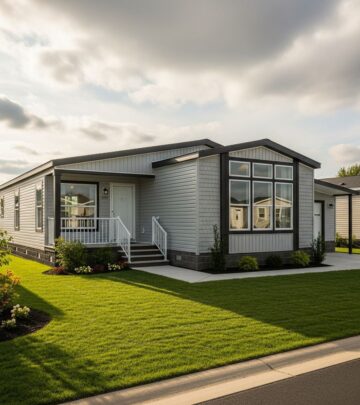
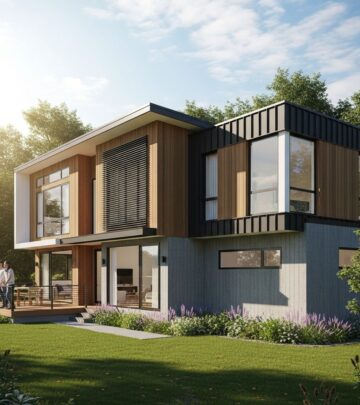
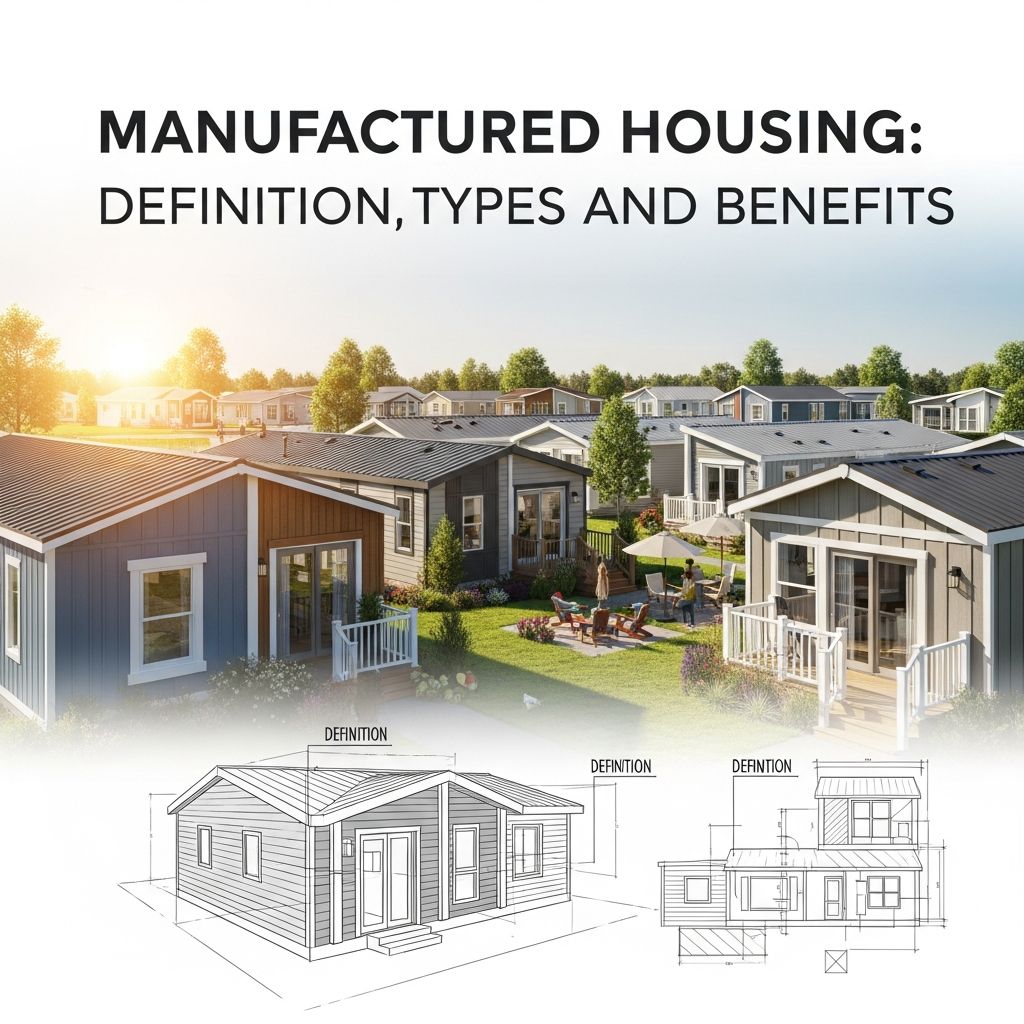
Unlike traditional site-built homes constructed on-location, manufactured homes are built in sections on a permanent chassis and transported to their final location. Modern manufactured homes closely resemble traditional single-family residences, featuring multiple bedrooms, bathrooms, and outdoor spaces. Many are affixed to concrete foundations, making them indistinguishable from conventional homes. Manufactured homes represent a significant housing segment, with approximately 7 million units currently in existence across the United States, comprising about 6% of the nation’s owner-occupied homes and 5% of renter-occupied homes.
Legal Definition and HUD Requirements
To qualify as a manufactured home under federal standards, a structure must meet specific criteria established by HUD. The structure must be transportable in one or more sections, measure at least eight feet wide or forty feet long in traveling mode (or at least 320 square feet when erected), be built on a permanent chassis, and be designed to be used as a dwelling with or without a permanent foundation. These stringent requirements ensure that all manufactured homes meet uniform safety and construction standards across the nation.
The HUD Code, adopted in 1976, applies exclusively to manufactured homes, whereas modular homes must adhere to local building codes in addition to other requirements. This distinction is crucial for understanding how manufactured homes differ from other factory-built housing options. The federal standards cover aspects such as structural design, electrical systems, plumbing, heating, cooling, and fire safety, ensuring that every manufactured home meets rigorous construction and durability requirements.
Types of Manufactured Homes
Manufactured homes come in several configurations, each designed to meet different space and lifestyle needs. Understanding these variations helps potential buyers select the most appropriate option for their circumstances.
Single-Wide Manufactured Homes
A single-wide manufactured home is built in one long section and represents the most basic configuration. These homes typically provide a compact living space suitable for individuals, couples, or small families. Single-wide units offer an economical entry point into homeownership and are often the most affordable option among manufactured housing types.
Double-Wide Manufactured Homes
Double-wide manufactured homes consist of two sections joined together, providing significantly more space than single-wide units. These homes typically range between 1,000 and 2,400 square feet and feature separate living, dining, and sleeping areas. Double-wide homes are popular with first-time homebuyers and families seeking more comfortable living environments with improved privacy and functionality. The expanded space allows for more amenities and better layout flexibility compared to single-wide options.
Triple-Wide Manufactured Homes
Triple-wide manufactured homes represent the largest standard configuration, comprising three sections joined together. These homes offer the most spacious interior of the standard manufactured housing options and are less commonly produced than single-wide or double-wide models. Triple-wide homes provide maximum living space and are suitable for larger families or those desiring luxury features typically found in higher-end manufactured housing.
Modular-Manufactured Hybrid Homes
Modular-manufactured hybrid homes combine the best features of both manufactured and modular construction. These structures are built in a factory and assembled on-site while adhering to HUD Code standards for manufactured homes and meeting local building codes like modular homes. Hybrid homes offer greater customization and layout flexibility, making them ideal for buyers seeking affordable pricing combined with design flexibility. These homes often feature high-quality finishes and can be tailored to specific buyer needs.
Key Advantages of Manufactured Housing
Manufactured homes offer numerous compelling benefits that make them attractive to homebuyers, investors, and housing advocates. These advantages address critical housing challenges while providing practical solutions for diverse populations.
Affordability
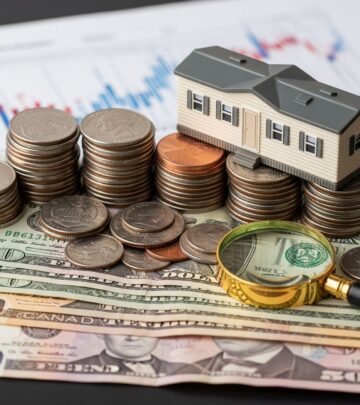
One of the most significant advantages of manufactured housing is its substantially lower cost compared to traditional site-built homes. A manufactured home costs roughly half as much as a site-built home, with average prices at approximately $55 per square foot versus $114 per square foot for conventional homes. Furthermore, manufactured homes cost approximately 40% less than multi-family, single-family, and duplex housing, and approximately 75% less than traditional single-family homes. This affordability gap makes manufactured housing the most accessible unsubsidized housing option for lower- and middle-income families as well as retirees living on fixed incomes.
Faster Construction
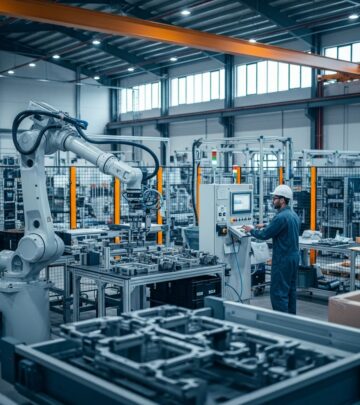
Because manufactured homes are constructed in controlled factory environments, they can be completed much faster than conventional site-built homes. Factory construction utilizes consistent, reliable, and efficient processes unaffected by weather conditions, allowing year-round production at optimal speeds. This accelerated timeline means buyers can occupy their homes significantly sooner than with traditional construction methods, reducing housing uncertainty and enabling faster transitions.
Customization Options
Many manufactured homes offer numerous customization possibilities, from floor plan layouts to interior finishes and appliances. Buyers can tailor their homes to match personal style preferences and specific needs, creating personalized living spaces despite the factory-built nature of construction. This flexibility distinguishes modern manufactured housing from outdated perceptions of rigid, uniform units.
Energy Efficiency
Modern manufactured homes are designed with energy efficiency as a priority, featuring improved insulation and energy-saving appliances. These efficiency improvements help reduce environmental impact while lowering utility bills for residents. Factory-controlled construction environments enable consistent application of energy-efficient technologies throughout the manufacturing process.
High Resident Retention
Manufactured homes demonstrate notably high resident retention rates, with an average of 13 years compared to 3-5 years for other rental properties. This extended tenure indicates strong resident satisfaction and community stability, creating benefits for both individual homeowners and manufactured home communities.
Manufactured Housing Ownership and Land Considerations
An important distinction in manufactured housing involves the ownership structure of both the home and underlying land. In many cases, residents own their dwelling while leasing the underlying land and paying utility connection fees within manufactured home communities. This unique economic arrangement differs significantly from traditional homeownership and has important implications for residents.
While some tenants may rent both the home and land, the typical arrangement leaves manufactured home residents unable to participate in land appreciation since they do not own the property itself. Additionally, residents cannot finance these homes with traditional mortgages; instead, they must secure higher-interest personal property loans, commonly called chattel loans. Understanding these financing differences is essential for prospective buyers evaluating the long-term financial implications of manufactured home ownership.
Manufactured Housing vs. Modular Homes
Although the terms are sometimes confused, manufactured homes and modular homes differ in significant ways. Manufactured homes are built to HUD Code standards and designed to be transportable, whereas modular homes are constructed in sections and assembled on-site, after which they cannot be moved. Modular homes follow local building codes rather than federal HUD standards. Once assembled, modular homes are often indistinguishable from stick-built homes and may include basements, which manufactured homes typically do not feature.
Market Statistics and Trends
The manufactured housing sector represents a substantial portion of the American housing market. Current estimates indicate approximately 7 million manufactured housing units exist nationwide, with roughly 5 million owner-occupied structures and 2 million renter-occupied structures. Annual new production averages approximately 105,000 units, representing 9% of new single-family home production. Approximately 30% of manufactured housing units are located within manufactured home communities, while others sit on individually owned land.
Investment Thesis for Manufactured Housing
The investment thesis for manufactured housing is anchored in an acute shortage of affordable housing in the United States. Manufactured homes provide naturally occurring affordable housing for lower- and middle-income families and retirees without requiring government subsidies. The efficiency of factory production inherently delivers low costs, making manufactured housing an increasingly attractive investment opportunity as affordable housing demand continues to grow and traditional housing prices escalate.
Regulatory and Legal Considerations
While manufactured housing offers substantial benefits, expanding its use faces legal and regulatory challenges. These obstacles include financing complications, zoning restrictions, and landlord-tenant law complexities. Prospective manufactured home buyers should understand local zoning regulations, which may limit where manufactured homes can be placed and how they are classified for property assessment purposes. Additionally, financing options may be more limited than for traditional homes, requiring buyers to explore chattel loan options through specialized lenders.
Frequently Asked Questions
Q: Are manufactured homes permanent structures?
A: Manufactured homes are built on permanent chassis and designed to be permanent dwellings. While they are technically transportable, most remain in their initial placement permanently. They can be placed on temporary or permanent foundations depending on local requirements and owner preference.
Q: Can manufactured homes appreciate in value?
A: Manufactured homes generally depreciate over time when residents rent the land. However, when both the home and land are owned, appreciation is possible if market conditions favor the property. The structure itself typically declines in value absent significant repairs and improvements, similar to traditional homes.
Q: How do I finance a manufactured home?
A: Manufactured homes are typically financed through personal property (chattel) loans rather than traditional mortgages. These loans generally carry higher interest rates than conventional mortgages. Some lenders offer specialized manufactured home financing programs.
Q: What is the difference between manufactured and modular homes?
A: Manufactured homes follow HUD Code standards and are designed to be transportable, while modular homes follow local building codes, are assembled on-site, and cannot be moved once completed. Modular homes may include basements and other features not typically available in manufactured homes.
Q: How long do manufactured homes last?
A: With proper maintenance, manufactured homes can last 30-55 years or longer. Factory construction using quality materials and controlled environments typically results in durable structures comparable to site-built homes.
Q: Can I place a manufactured home on my own land?
A: Yes, manufactured homes can be placed on individually owned land subject to local zoning regulations and building codes. However, many are located within manufactured home communities where residents lease the land.
References
- Understanding the Legal Definition of Manufactured Home — U.S. Legal Forms. Accessed 2025-11-29. https://legal-resources.uslegalforms.com/m/manufactured-home
- Manufactured Housing: Issues for Institutional Investors — Callan. Accessed 2025-11-29. https://www.callan.com/blog/manufactured-housing/
- What Is A Manufactured Home? Definition, Benefits, and More — Bedrock Communities. Accessed 2025-11-29. https://bedrock-communities.com/what-is-a-manufactured-home-definition-benefits-and-more/
- Manufactured Homes: Defined and Explained — Rocket Mortgage. Accessed 2025-11-29. https://www.rocketmortgage.com/learn/what-is-a-manufactured-home
- Chapter 11: Manufactured Homes: An Affordable Ownership Option — Federal Reserve Bank of Minneapolis. Accessed 2025-11-29. https://www.minneapolisfed.org/indiancountry/resources/tribal-leaders-handbook-on-homeownership/manufactured-homes-an-affordable-ownership-option
- How Manufactured Homes Can Build Housing Stability — National Conference of State Legislatures. Accessed 2025-11-29. https://www.ncsl.org/resources/details/how-manufactured-homes-can-build-housing-stability
Similar Articles








Read full bio of Sneha Tete