Managing Partner in Business Partnership
Essential guide to managing partner roles, responsibilities, and authority in business partnerships and LLCs.

What Is a Managing Partner?
A managing partner is an individual or entity that holds both ownership interest and operational control within a business partnership or limited liability company (LLC). Unlike passive investors or silent partners, managing partners actively participate in day-to-day business operations and hold decision-making authority over critical business matters. Managing partners serve as the primary leadership figure in their organization, much like a chief executive officer (CEO) in a corporation, but with the added responsibility of being an owner-stakeholder in the business.
The role of managing partner is particularly important in partnerships and LLCs because it provides a clear structure for leadership and decision-making. By designating a managing partner, organizations can avoid confusion and potential conflicts that might arise if multiple partners attempted to manage all business operations simultaneously. This concentrated authority allows other partners to focus on strategic initiatives while the managing partner handles operational details.
Key Responsibilities of Managing Partners
Managing partners shoulder considerable responsibility for the overall success and compliance of their organization. Their duties typically span multiple areas of business management:
Strategic Planning and Direction
Managing partners develop and implement long-term business strategies that align with the company’s vision and objectives. They work to identify new business opportunities, analyze market trends, and establish competitive positioning. This involves setting organizational goals, defining priorities, and charting the course for the company’s growth and development.
Operational Oversight
Day-to-day operational management falls squarely on the managing partner’s shoulders. This includes monitoring business operations, ensuring processes run smoothly, and implementing organizational policies and procedures. Managing partners must stay informed about current operations and be prepared to address challenges as they arise.
Financial Management
Managing partners oversee all financial aspects of the business, including budgeting, forecasting, accounting, and resource allocation. They review financial statements and reports, monitor cash flow, manage tax obligations, and make decisions about financial investments. This responsibility requires strong financial acumen and attention to detail.
Human Resources and Personnel Management
Managing partners are responsible for hiring, training, evaluating, and terminating employees. They establish compensation structures, manage payroll, address personnel conflicts, and foster a positive workplace culture. Building an effective team and maintaining employee satisfaction are critical to business success.
Contract Negotiation and Business Relations
Managing partners have the authority to negotiate and enter into contracts on behalf of the company. They establish and maintain relationships with clients, vendors, and other business entities. This role requires strong communication and negotiation skills to ensure favorable terms and lasting business relationships.
Legal Compliance
Ensuring the business complies with all federal, state, and local laws and regulations falls to the managing partner. This includes understanding regulatory requirements in their industry, maintaining proper documentation, and adapting business practices as laws change. Managing partners must stay current on legal developments affecting their business.
Authority and Power of Managing Partners
Managing partners possess significant authority within their organizations, though the scope of this authority can vary based on firm size, equity ownership, and partnership agreements. In smaller firms, managing partners typically have substantial autonomous decision-making power. In larger organizations, their authority may be more circumscribed by executive committees or boards that provide oversight.
Decision-Making Authority
Managing partners can make major business decisions including hiring and firing employees, negotiating contracts, entering into debt arrangements, purchasing assets, and making strategic investments. They determine tax filing approaches and estimated tax payments. This decision-making power distinguishes managing partners from passive or silent partners, who typically participate only in high-level strategic discussions.
Representation and Agency
A managing partner serves as an agent of the business, meaning they can act on behalf of the organization in business dealings. This agency relationship gives them the power to bind the company to agreements and obligate the business financially. Third parties generally assume that managing partners have the authority to commit their organization.
Comparison with Other Partnership Roles
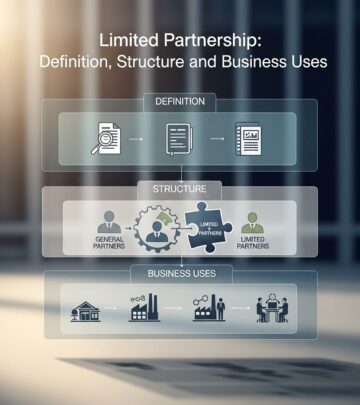
In a general partnership, all partners theoretically have equal management authority and liability. However, many partnerships designate a managing partner to provide clear leadership. In limited partnerships, general partners manage the business while limited partners provide capital but have no management role. In LLCs, members can choose to be member-managed (all members participate in management) or manager-managed (designated managers or managing partners control operations).
Managing Partner Duties and Responsibilities
The specific duties of managing partners can be outlined in operating agreements and organizational documents. Clear delineation of responsibilities helps prevent internal conflicts and misunderstandings. Typical duties include:
Executive Leadership
Managing partners work with executive committees or other senior leaders to establish organizational strategies and achieve performance targets. They communicate the company’s vision to employees and stakeholders, ensure alignment around objectives, and drive execution of strategic initiatives.
Performance Assessment
Managing partners assess organizational and personnel performance, monitoring key metrics and indicators. They identify areas needing improvement, implement changes, and measure outcomes. This ongoing assessment helps ensure the company remains competitive and efficient.
Stakeholder Communication
Managing partners communicate regularly with other partners, employees, clients, and external stakeholders. They keep partners informed about business performance, address concerns, and ensure transparency. Effective communication builds trust and maintains strong working relationships.
Innovation and Growth
Managing partners foster a culture of innovation and continuous improvement within the organization. They identify new business opportunities, explore market expansion possibilities, and encourage creative problem-solving among team members. This forward-thinking approach helps the company adapt and thrive in changing markets.
Liability Considerations for Managing Partners
Managing partners typically hold greater liability than passive partners due to their operational control and decision-making authority. In a general partnership, all partners are personally liable for business debts and legal obligations. In limited partnerships, only general partners (including managing partners) hold this liability, while limited partners’ liability is restricted to their investment.
In LLCs, the business structure provides some liability protection by establishing a separation between the business entity and its owners. However, managing partners may still face personal liability in certain circumstances, such as personal guarantees on loans or negligence in their duties. It’s important for managing partners to understand their liability exposure and maintain appropriate insurance coverage.
Establishing a Managing Partner Structure
Organizations can designate one or multiple managing partners depending on their needs and complexity. When establishing a managing partner structure, consider the following factors:
Formation Documents
Clearly outline the managing partner role in the operating agreement or articles of organization. Specify the managing partner’s responsibilities, authority limits, and how they report to other partners or boards. Define the process for appointing, replacing, or removing managing partners.
Compensation and Incentives
Establish clear compensation structures for managing partners, including salary, bonuses, and profit-sharing arrangements. Consider how compensation aligns with performance and organizational goals. Compensation agreements should detail payment terms and conditions.
Conflict Resolution
Develop procedures for resolving disputes between partners or between managing partners and other stakeholders. Include mechanisms for mediating disagreements and making final decisions when conflicts arise.
Decision Rights
Clarify whether decisions require managing partner consensus, majority partner approval, or unanimous consent depending on the decision type. Define which decisions fall within the managing partner’s autonomous authority and which require broader partner input.
Multiple Managing Partners
If appointing multiple managing partners, carefully delineate each partner’s specific responsibilities to avoid overlap and conflict. Establish a clear process for coordinating decisions and resolving disagreements between managing partners.
Managing Partners in Different Business Structures
| Business Structure | Managing Partner Role | Liability | Key Characteristics |
|---|---|---|---|
| General Partnership | May designate managing partner for operational control | Personal liability for all partners | All partners can manage; managing partner provides leadership |
| Limited Partnership | General partners manage; limited partners invest only | General partners liable; limited partners protected | Clear separation between active and passive roles |
| LLC (Manager-Managed) | Designated manager or managing partner controls operations | Limited liability protection for all members | More flexible; members can be passive investors |
| LLC (Member-Managed) | All members participate in management | Limited liability protection for all members | More collaborative; suitable for smaller companies |
Benefits of Designating a Managing Partner
Establishing a clear managing partner structure provides several advantages for partnerships and LLCs:
Clear Leadership and Direction
A designated managing partner provides clear leadership and eliminates confusion about who makes key decisions. This clarity helps the organization operate more efficiently and respond quickly to challenges and opportunities.
Reduced Conflict
Rather than having multiple partners attempting to manage operations simultaneously, a managing partner structure reduces potential conflicts and disagreements. Responsibilities are clearly assigned, and decision-making authority is transparent.
Operational Efficiency
By allowing one partner to focus on operational management, other partners can concentrate on strategic matters, business development, or their areas of expertise. This division of labor typically improves overall organizational efficiency.
Professional Credibility
Having a designated managing partner provides external credibility and demonstrates professional business structure to clients, vendors, and lenders. Third parties know exactly who to work with on business matters.
Smoother Succession Planning
A clear managing partner structure makes it easier to plan for transitions when the current managing partner retires or leaves the business. Successors can be identified and prepared well in advance.
Frequently Asked Questions
Q: What is the difference between a managing partner and a general partner?
A: A general partner participates in management and holds personal liability for business debts in a partnership. A managing partner is a designated leader who oversees operations and makes key decisions on behalf of the partnership or LLC. In many cases, a managing partner may also be a general partner, but the roles are distinct—not all general partners manage, and not all managing partners are general partners.
Q: Can an LLC have more than one managing partner?
A: Yes, an LLC can appoint multiple managing partners. When doing so, it’s essential to clearly define each managing partner’s responsibilities and decision-making authority to prevent conflicts and overlapping duties. The operating agreement should specify how decisions are made when multiple managing partners are involved.
Q: What happens if there is no managing partner designated?
A: Without a designated managing partner, all partners typically share management responsibilities equally. This can lead to inefficiency, confusion, and potential disagreements about business direction and decisions. Most partnerships and LLCs benefit from designating at least one managing partner.
Q: Can a managing partner be removed from their position?
A: Yes, managing partners can be removed according to the terms specified in the operating agreement or partnership agreement. The process for removal typically requires a vote or approval from other partners. The removal process and any consequences should be outlined clearly in formation documents.
Q: Do managing partners have to work full-time?
A: This depends on the partnership agreement and the nature of the business. Some managing partners work full-time managing operations, while others may spend part of their time on business development or specialized work. The partnership agreement should clarify expectations regarding time commitment.
Q: What skills should a managing partner possess?
A: Effective managing partners typically have strong leadership abilities, strategic thinking skills, financial acumen, and excellent communication skills. They should understand their industry, possess business management experience, and demonstrate good judgment in decision-making. Interpersonal skills and conflict resolution abilities are also valuable.
Q: How is a managing partner compensated?
A: Compensation structures vary widely and should be outlined in the partnership agreement. Managing partners may receive a salary, profit-sharing distributions, bonuses tied to performance, or a combination of these. Some managing partners may receive higher compensation in exchange for taking on additional responsibilities.
References
- Managing Partners in LLCs: Roles, Titles & Structure — UpCounsel. Accessed November 2025. https://www.upcounsel.com/llc-managing-partner
- Managing Partner: Definition, Duties and Importance — Indeed.com. Accessed November 2025. https://www.indeed.com/career-advice/finding-a-job/what-is-managing-partner
- What is an LLC Managing Partner? (What You Should Know) — VentureSmarter. Accessed November 2025. https://venturesmarter.com/what-is-an-llc-managing-partner/
- Managing Partner: Who They Are and What They Do — HubSpot Blog. Accessed November 2025. https://blog.hubspot.com/sales/managing-partner
- Managing Partner Job Description Template — DevsData. Accessed November 2025. https://devsdata.com/managing-partner-job-description-template/
Similar Articles








Read full bio of Sneha Tete