Old Credit Cards: How To Dispose Securely And Protect Credit
Discover secure ways to handle unused, expired, or inactive credit cards while protecting your credit score and personal data.
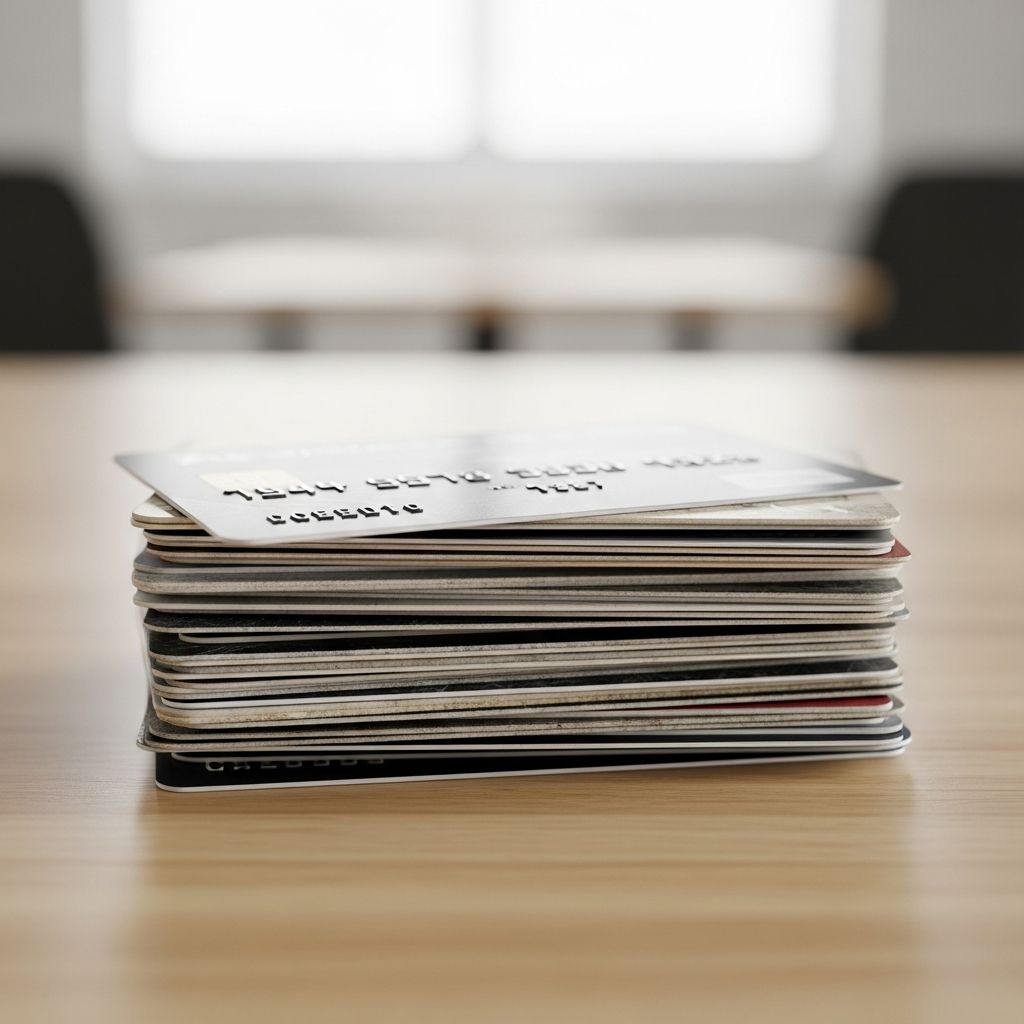
Old credit cards, whether expired, unused, or simply forgotten, require careful handling to protect your financial security and credit health. Improper management can expose you to identity theft or harm your credit score. This guide explores practical steps for disposal, alternatives to closing accounts, and proactive measures to stay ahead.
Understanding the Risks of Neglecting Old Cards
Inactive credit cards pose hidden dangers. Fraudsters can exploit discarded cards with intact chips or magnetic strips, leading to unauthorized charges. Moreover, closing accounts prematurely affects your credit utilization ratio and history length, potentially dropping your score by up to 50 points or more.
Credit utilization, which measures debt against available credit, should stay below 30% for optimal scores. Shorter credit history from closures signals risk to lenders. Always assess impacts before acting.
Secure Destruction Methods for Expired Plastic Cards
Once a replacement arrives, destroy expired plastic cards immediately. Follow these steps:
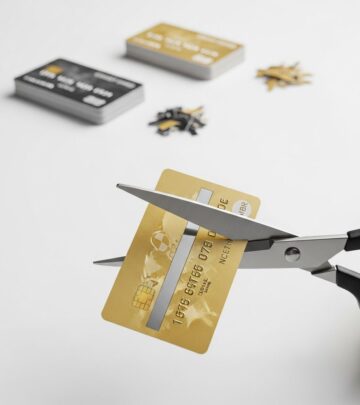
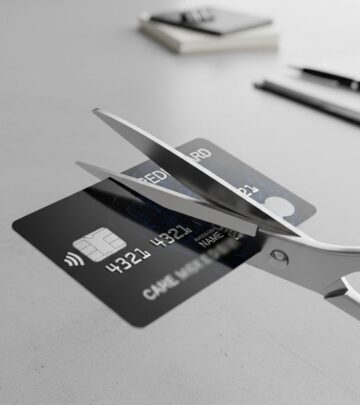
- Cut through key elements: Slice the magnetic stripe, EMV chip, and all printed details like name and number using heavy-duty scissors.
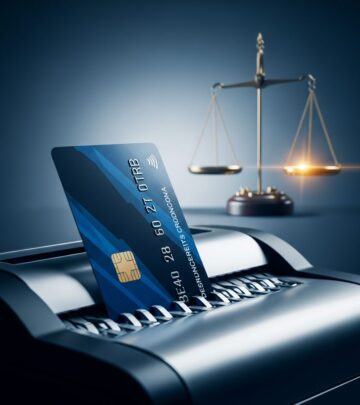
- Shred thoroughly: Use a cross-cut shredder designed for cards to create tiny, irrecoverable pieces.
- Distribute remnants: Scatter pieces across multiple trash bags and dispose over several weeks to deter reconstruction by thieves.
Avoid recycling bins, as human sorters could access data. Trash only.
Handling Premium Metal Credit Cards
Metal cards, such as premium travel rewards options, resist home destruction. Issuers provide safe return programs:
- Contact the number on the card’s back for a prepaid envelope.
- Mail it directly; issuers recycle responsibly.
- Check local branches for drop-off, though availability varies.
Never attempt DIY shredding without specialized equipment, risking injury or incomplete destruction.
Alternatives to Closing Unused Accounts
Before canceling, consider these credit-friendly options:
| Option | Pros | Cons | Best For |
|---|---|---|---|
| Keep Open for Small Use | Maintains history and utilization; low effort | Temptation to overspend | Good credit history builders |
| Request Downgrade | Avoids fees; keeps account active | Limited rewards | High-fee card holders |
| Freeze/Lock Card | Prevents fraud; easy reactivation | App or call needed to unlock | Infrequent users |
| Autopay Small Bills | Builds positive history automatically | Monitor balances closely | Subscription payers |
Downgrades switch to no-fee versions without closure. Use for gas or groceries monthly, paying in full.
Pre-Closure Checklist: Essential Preparations
Ensure smooth transitions:
- Clear balances: Pay off principal and pending interest.
- Redeem rewards: Transfer points, miles, or cash back before expiry.
- Update autopays: Remove from merchants, utilities, and apps to prevent declines.
- Notify issuer: Request closure via phone for confirmation.
Retain statements for records post-closure.
Finding Forgotten Accounts
Locate dormant cards via free annual reports from AnnualCreditReport.com, covering Equifax, Experian, and TransUnion. Review for inaccuracies and old listings.
Impact on Your Credit Score: A Closer Look
Closures shorten average account age (15% of FICO score) and raise utilization (30% of score). Example: $5,000 debt on $10,000 limit (50% utilization) worsens if limits drop.
Keep oldest cards open, even unused, unless fees outweigh benefits.
Preventing Fraud with Old Cards
Freeze accounts digitally via apps. Shred related documents—bills reveal patterns. Go paperless for statements.
Repurpose destroyed cards creatively: ice scrapers, loyalty markers (post-data destruction).
FAQ: Common Questions on Old Credit Cards
Can I sell an old credit card?
Rarely viable; chips/magstripes may remain active. Confirm with issuer first.
Does closing affect credit immediately?
Yes, utilization spikes show on next report. Plan ahead.
How long to keep old cards?
Destroy expired ones post-replacement; retain active unused if beneficial.
What about debit cards?
Treat identically: cut, shred, disperse.
Issuer destruction reliable?
Yes, programs ensure secure handling.
Long-Term Financial Strategy
Regularly audit accounts. Prioritize length of history for score stability. Balance security with credit health for enduring benefits.
References
- What To Do With Old Or Expired Credit Cards — Bankrate. 2023-10-15. https://www.bankrate.com/credit-cards/advice/what-to-do-with-an-old-or-expired-card/
- What To Do With Old or Expired Credit Cards — LendingTree. 2024-05-20. https://www.lendingtree.com/credit-repair/how-to-handle-old-credit-card-accounts/
- What to Do with Old Credit Cards — SumUp. 2023-08-12. https://www.sumup.com/en-us/business-guide/what-to-do-with-old-credit-cards/
- How to Safely Destroy Your Expired Credit Cards — Hawaii Financial FCU. 2024-02-10. https://go.hfcu.org/blog/safely-destroy-expired-credit-cards
- What To Know About Inactive Credit Card Accounts — Equifax. 2024-11-05. https://www.equifax.com/personal/education/credit-cards/articles/-/learn/inactive-credit-card-account-closed/
Similar Articles








Read full bio of medha deb