Managing Negative Credit Report Items
Learn effective strategies to address and resolve negative marks on your credit history.

Negative marks on your credit report can significantly impact your financial life, affecting everything from loan approvals to interest rates. Understanding how to address these items is crucial for anyone seeking to improve their creditworthiness. This guide explores the various strategies available to manage negative credit information and restore your financial reputation.
Understanding How Negative Items Affect Your Credit
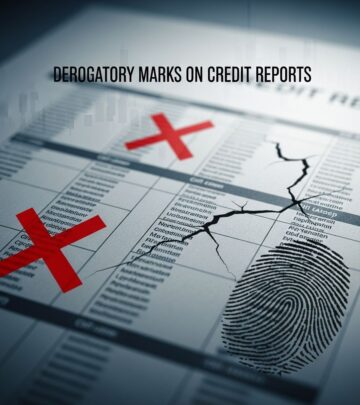
Negative items on your credit report represent instances where you failed to meet your financial obligations according to agreed-upon terms. These marks serve as indicators to lenders about your reliability as a borrower. The most common types of negative items include late payments, collections accounts, charge-offs, foreclosures, and bankruptcies.
Collection accounts are particularly damaging because they indicate that creditors have given up trying to collect from you directly and have instead sold your debt to a third-party collection agency. These accounts typically remain on your credit report for seven years from the date of the original delinquency, creating a prolonged impact on your creditworthiness.
The presence of these negative marks can lower your credit score substantially, making it harder to qualify for new credit, secure favorable interest rates, or even pass background checks for employment or housing.
Identifying Errors and Inaccuracies
Before pursuing any removal strategy, thoroughly review your credit reports from all three major bureaus—Equifax, Experian, and TransUnion. Errors are more common than you might expect, and correcting them is one of the most straightforward paths to improvement.
Look for the following types of inaccuracies:
- Accounts that don’t belong to you (potential identity theft)
- Duplicate reporting of the same debt
- Outdated accounts still listed after seven years
- Incorrect payment histories or amounts
- Accounts marked as delinquent that were actually paid on time
- Wrong dates or collection dates
If you discover errors, address them immediately, as accurate information is easier to challenge than negative information that is correctly reported.
The Dispute Process: Your Primary Tool
Filing a formal dispute with credit bureaus is your strongest legal option for addressing inaccurate information. The Federal Trade Commission and Consumer Financial Protection Bureau both recognize disputing errors as a fundamental consumer right available at no cost.
How to File a Dispute
The three major credit bureaus accept disputes through multiple channels: phone, mail, and online platforms. The online process is often the most straightforward option.
Your dispute letter should include:
- Your complete name and current address
- A clear description of each item you’re disputing
- An explanation of why you believe the information is inaccurate
- Copies of supporting documents (not originals) that back your claims
- A copy of your credit report with disputed items circled or highlighted
- A specific request for removal or correction
The Federal Trade Commission provides template letters to guide your submission. When you file a dispute, the credit bureau must acknowledge receipt and update your report to indicate the dispute is under investigation.
Investigation Timeline
After receiving your dispute, credit bureaus have 30 days to investigate your claim. During this period, they must contact the creditor or collection agency reporting the negative information and request verification of the accuracy of the disputed item.
If the reporting agency cannot verify the accuracy of the information, the bureau must remove or correct the entry from your report. The 30-day window is a legal requirement, and bureaus must respond in writing with their decision and any updates to your credit file.
Negotiating Pay-for-Delete Agreements
For collection accounts that are accurately reported, a pay-for-delete agreement represents an alternative negotiation strategy. This approach involves contacting the collection agency and offering to settle the debt in exchange for their agreement to remove the account from your credit report.
How Pay-for-Delete Works
Not all collection agencies participate in pay-for-delete arrangements, but many are willing to negotiate. The process begins with a direct communication to the collection agency—either by phone or in writing.
Your initial contact should be professional and businesslike. If writing, your letter should contain:
- Your account number with the collection agency for easy identification
- Your complete contact information (name, address, email, phone)
- The specific amount you’re offering to pay (which may be less than the full balance owed)
- Your preferred payment method
- A clear request for deletion of the account from your credit report upon payment
- A response deadline (typically 30 days)
Collection agencies have no legal obligation to agree to pay-for-delete arrangements. However, they are motivated to collect what they can, and if they believe your offer represents their best opportunity to recover funds, they may negotiate.
Important Considerations
Before pursuing a pay-for-delete agreement, understand that credit bureaus discourage this practice. Additionally, once you make a payment on a collection account, the “clock” for the seven-year reporting period may restart in some cases, potentially extending how long the negative item stays on your report.
Obtain any pay-for-delete agreement in writing before sending payment. This documentation protects you if the collection agency fails to honor its commitment to remove the account.
Requesting Goodwill Deletions
If you’ve already paid a collection account or resolved a delinquency, consider requesting a goodwill deletion directly from the creditor or collection agency. This approach works best if you have an otherwise good payment history marred by one mistake due to unusual circumstances.
Crafting a Goodwill Letter
A goodwill deletion letter is fundamentally a request for a favor. The creditor is under no legal obligation to comply, but some will remove negative marks as a gesture of goodwill, particularly if:
- The delinquency was a one-time occurrence
- You were previously a good customer with a solid payment history
- You’ve since resolved the debt
- You provide a legitimate explanation for the temporary financial difficulty
Your letter should briefly explain the circumstances that led to the original problem—such as unexpected job loss, medical emergency, or family crisis—and express regret for the situation. Keep the tone respectful and avoid making excuses or sounding defensive.
Be realistic about your expectations. Many creditors will decline these requests, but the potential benefit makes it worth attempting, especially if you’ve already satisfied the debt.
Waiting Out the Natural Reporting Timeline
If a negative item is accurate and the creditor refuses to negotiate, you have the option of simply waiting. Collection accounts and most negative information automatically disappear from your credit report after seven years from the date the original debt became delinquent.
This seven-year period is established by federal law, and credit reporting agencies must remove the item once this deadline passes, regardless of whether the debt was paid. However, be aware that making a payment on the collection account may reset this clock, potentially extending the reporting period.
While waiting seven years is not an ideal solution, it’s important to understand that the damage to your credit score diminishes over time. Negative items have less impact on your credit score as they age, and once they fall off your report entirely, they cease to influence your creditworthiness at all.
Avoiding Credit Repair Scams
Be extremely cautious of anyone claiming they can remove accurate, current negative information from your credit report for a fee. Such claims are typically indicators of credit repair scams. Federal law does not permit the removal of accurate information, regardless of who is doing the asking or how much they charge.
Legitimate credit repair companies can help you dispute inaccurate information, but this is something you can do yourself for free. If you need assistance, seek help from nonprofit credit counseling agencies or consumer law attorneys, rather than for-profit credit repair companies.
Frequently Asked Questions
How long do negative items stay on my credit report?
Most negative items remain on your credit report for seven years from the date of the original delinquency. Some items, such as bankruptcy, may stay longer.
Can I remove accurate negative information?
Generally, no. You cannot legally remove accurate negative information that is correctly reported. Your options are limited to disputing inaccurate items or negotiating with creditors.
Does paying a collection account remove it from my report?
Paying a collection account does not automatically remove it from your credit report. However, you can negotiate a pay-for-delete agreement, request a goodwill deletion, or wait for it to fall off naturally after seven years.
What’s the best strategy for dealing with negative items?
The best approach depends on your situation. First, dispute any inaccurate information. For accurate items, attempt goodwill deletions if the account is paid, or negotiate pay-for-delete agreements with collection agencies. If neither option works, focus on building positive credit history while waiting for items to age off your report.
Moving Forward: Building Better Credit
While working to address negative items on your report, simultaneously focus on building positive credit history. Making all payments on time, keeping credit card balances low, and maintaining a diverse mix of credit types all work to offset the impact of older negative marks.
Understanding your options for managing negative credit information empowers you to take control of your financial reputation. Whether through disputes, negotiations, or strategic waiting, you have legitimate tools available to improve your credit standing over time.
References
- Can You Pay To Remove Negative Items From Your Credit Report? — Bankrate. 2026. https://www.bankrate.com/personal-finance/credit/can-you-pay-to-remove-negative-items/
- Got a Negative Mark on Your Credit Report? Here’s What to Do — YouTube. 2026. https://www.youtube.com/watch?v=ltv8KER5noI
- How to Remove Negative Items From Your Credit Report — American Express Credit Intel. 2026. https://www.americanexpress.com/en-us/credit-cards/credit-intel/remove-from-credit-report/
- Is It Possible to Remove Accurate but Negative Information From My Credit Report? — Consumer Financial Protection Bureau. 2026. https://www.consumerfinance.gov/ask-cfpb/is-it-possible-to-remove-accurate-negative-information-from-your-credit-report-en-1249/
- How Can You Remove Negative Items from Your Credit Report? — Atlas Law Center. 2026. https://www.atlaslawcenter.com/blog/how-can-you-remove-negative-items-from-your-credit-report/
- Disputing Errors on Your Credit Reports — Federal Trade Commission Consumer Advice. 2026. https://consumer.ftc.gov/articles/disputing-errors-your-credit-reports
Similar Articles








Read full bio of medha deb