Managing Multiple Credit Card Payments Effectively
Master the art of juggling multiple cards without missing payments or damaging your credit.
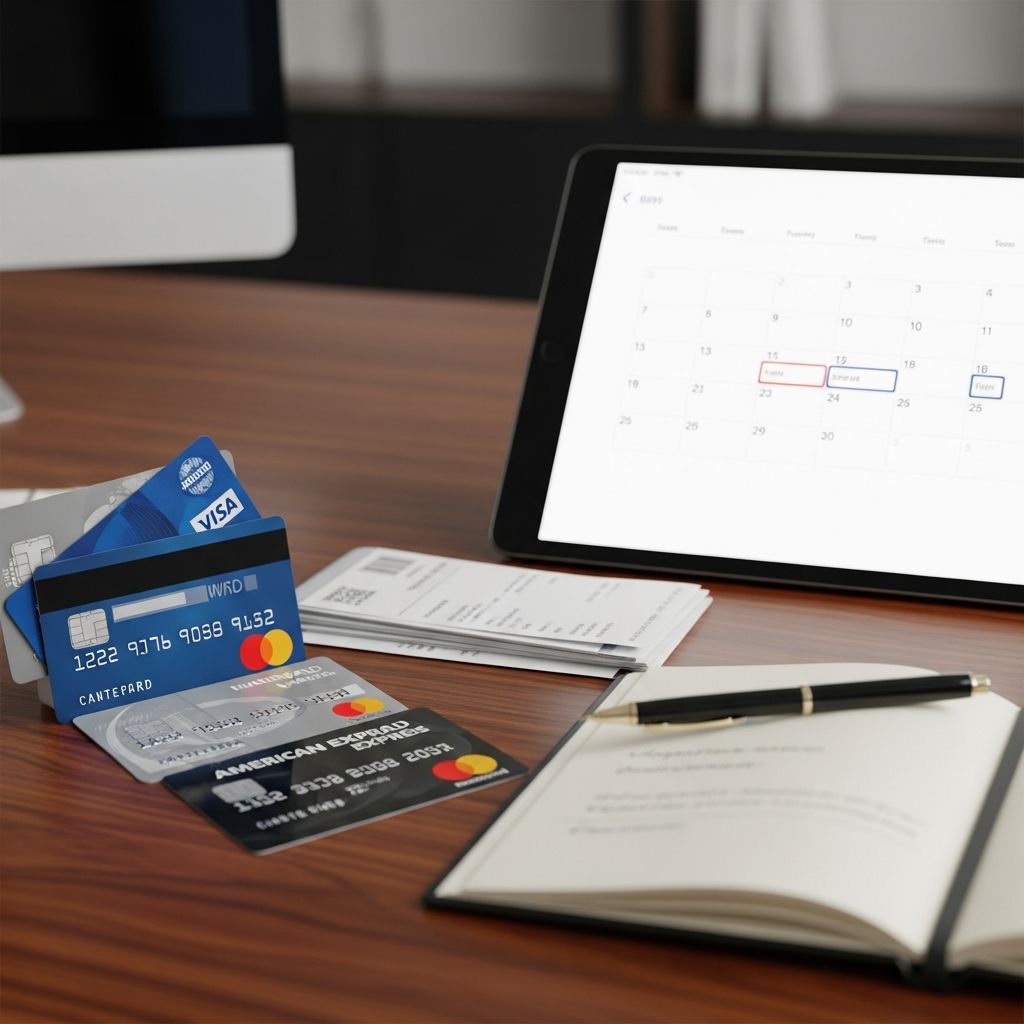
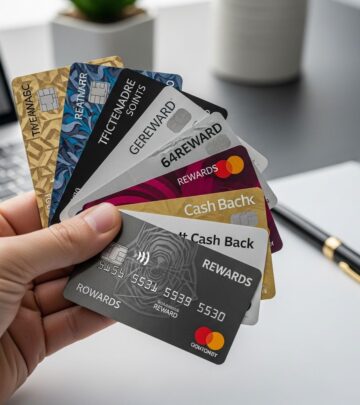
In today’s financial landscape, many consumers maintain multiple credit cards to take advantage of different rewards programs, promotional offers, and spending benefits. However, managing several payment obligations simultaneously can quickly become overwhelming without a solid organizational system. The challenge intensifies when different cards have varying due dates, credit limits, and interest rates. This comprehensive guide explores practical approaches to managing multiple credit card payments, ensuring you maintain financial discipline while maximizing the benefits of card ownership.
Why Multiple Credit Card Payments Matter
The ability to manage multiple credit card accounts effectively has become increasingly important as consumer credit practices evolve. Many financially savvy individuals intentionally maintain several cards to capitalize on category-specific rewards, introductory bonus offers, and promotional rates. According to recent credit management guidance, organizing your payment strategy directly impacts both your credit score and overall financial health.
When you fail to track payments across multiple accounts, the consequences can be serious. Missed payments trigger late fees, increased interest rates, and damage to your credit profile that can persist for years. Additionally, carrying high balances across multiple cards can inflate your credit utilization ratio—one of the most significant factors influencing credit scores.
Establishing a Comprehensive Tracking System
The foundation of successful multiple card management is implementing a reliable tracking system that works for your lifestyle and preferences. The specific method matters less than consistency and accessibility.
Digital Tools and Applications
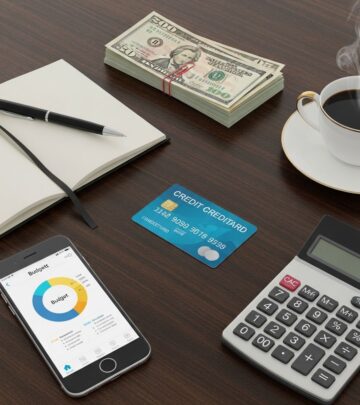
- Personal finance applications that consolidate account information from multiple card issuers
- Online banking platforms that provide real-time balance updates and payment status
- Spreadsheet software that allows customizable tracking of balances, due dates, and reward categories
- Calendar applications with alert functionality for payment reminders
- Dedicated credit card management apps that synchronize with your financial accounts
For digital tools to be effective, you must update them regularly and actively review the information they provide. Set recurring calendar reminders to check your accounts at least twice monthly, allowing you to catch any discrepancies or unexpected charges.
Traditional Tracking Methods
While digital solutions offer convenience, some people prefer tangible approaches. A handwritten list of cards, due dates, and credit limits provides a simple reference guide. Create a master list that includes each card’s issuer, account number, balance, available credit, due date, and minimum payment. Keep this document in a secure location and update it monthly when you review statements.
Strategically Assigning Card Purposes
One of the most effective organizational strategies involves designating specific cards for particular spending categories. This approach offers multiple advantages beyond simple organization.
Maximizing Reward Potential
When you assign cards to specific purposes, you concentrate spending in categories where each card offers the highest rewards. For example, if you maintain a card offering superior cash back on groceries and another providing excellent rewards on travel purchases, using each card appropriately ensures you capture maximum value from your spending patterns. This intentional strategy transforms your credit card portfolio from a collection of interchangeable tools into a coordinated system designed to enhance your financial returns.
Benefits of Purpose-Based Assignment
- Increased rewards accumulation in high-value categories
- Simplified mental accounting of expenses
- Reduced temptation to overspend across all cards equally
- Easier identification of unused cards that might be closed
- Better tracking of spending patterns by category
Consolidating Due Dates for Efficiency
Managing multiple due dates creates cognitive load and increases the likelihood of overlooking a payment. Most card issuers understand this challenge and allow customers to adjust their payment due dates within certain parameters.
Aligning Payment Schedules
Contact each card issuer’s customer service department to request a due date change. Many companies allow you to select from several options, enabling you to consolidate most or all payments around the same date each month. Grouping payments creates an efficient monthly routine—you can dedicate a specific day to reviewing all statements and submitting all payments simultaneously.
Coordinating with Your Budget Cycle
Choose due dates that align with your income schedule. If you receive salary deposits on the 15th and last day of the month, request due dates shortly after these deposits. This approach ensures available funds when payments are due, reducing the likelihood of overdraft situations or the temptation to carry balances.
Implementing Automatic Payment Systems
Automatic payments represent one of the most reliable methods for ensuring consistent, on-time payments across multiple accounts. Setting up autopay essentially removes human error from the equation.
How Autopay Strengthens Your Financial Health
When you establish automatic payments, your card issuer deducts the payment amount from your linked bank account on your chosen date. This automation provides several important benefits:
- Eliminates the possibility of forgetting payment dates
- Ensures on-time payments that positively impact credit scores
- Reduces late fees and penalty interest rates
- Simplifies financial tracking by creating predictable payment patterns
- Allows you to set different autopay amounts (minimum payment, statement balance, or fixed amount)
Choosing Your Autopay Strategy
Most card issuers offer flexibility in autopay amounts. For cards you plan to pay in full monthly, set autopay to the statement balance—this ensures you never carry balances or pay interest. For cards where you’re deliberately carrying balances, set autopay to at least the minimum payment to protect your credit score, though paying more significantly reduces interest costs.
Understanding Split Payment Strategies
In some situations, you might need to split a single transaction across multiple credit cards. This scenario occurs when a purchase exceeds one card’s credit limit, or when you want to maximize rewards by allocating portions of a purchase to different cards.
In-Store Split Payment Options
Many physical retailers allow customers to split a single purchase across multiple credit cards. This practice is particularly common at major chains like grocery stores and department stores. At checkout, you simply indicate that you’ll pay with multiple cards and provide each card separately. The merchant’s point-of-sale system calculates how much to charge to each card.
Online Split Payment Limitations
The ability to split payments online varies significantly by merchant. Some retailers like Target allow multi-card transactions, while others including Amazon do not accommodate split payments through their standard checkout process. PayPal provides an alternative by offering a split payment feature that allows you to use multiple credit cards for online purchases, though this option is generally limited to two cards and requires merchant participation.
When Split Payments Make Financial Sense
Before splitting a payment, consider the long-term financial implications. While splitting might allow you to complete a purchase you couldn’t make with a single card, it often results in negative consequences:
- Maxing out multiple cards simultaneously damages your credit utilization ratio
- Carrying balances on multiple cards means paying interest on both accounts
- Managing two payment obligations instead of one increases complexity
- Potential interest rates and fees may outweigh any rewards benefits
Monitoring and Managing Your Accounts Actively
Successful multiple card management requires ongoing attention and regular review of all accounts. Passive account ownership, where you only look at statements when payments are due, creates opportunities for fraud, unauthorized charges, and forgotten cards.
Regular Balance Checks
Review your balances across all cards at least monthly, ideally when statements are available. This practice serves multiple purposes. You’ll catch unauthorized charges quickly, monitor your progress toward promotional spending requirements, and prevent overspending by maintaining awareness of your aggregate credit card utilization.
Setting Up Alert Systems
Most card issuers offer balance alerts through mobile apps or email notifications. You can typically set alerts for when your balance reaches a certain threshold or when a large transaction occurs. These real-time notifications help you avoid exceeding credit limits and provide security alerts for unusual activity.
Avoiding Common Management Pitfalls
The Minimum Payment Trap
Paying only minimum required amounts on credit cards perpetuates debt cycles and generates significant interest expenses. While minimum payments keep your account in good standing from a credit perspective, they do virtually nothing to reduce principal balances when carried month to month. Focus on paying statement balances in full whenever possible.
Accumulating Unused Cards
Many people maintain credit cards they no longer actively use, creating tracking burdens and potential security risks. Periodically audit your card portfolio and consider closing accounts with high annual fees that don’t provide sufficient value or cards you haven’t used in months.
Neglecting Reward Redemption
Points, miles, and cash back accumulation provides no value if you never redeem them. Set calendar reminders to review and claim your rewards before expiration deadlines. Some rewards programs have time limits for redemption.
Paying Off Multiple Cards Strategically
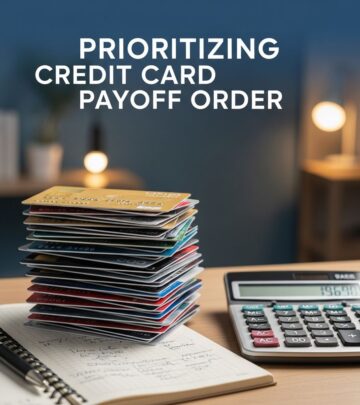
If you’re carrying balances across multiple cards and want to eliminate this debt, various strategies can optimize your payoff process. The approach you choose depends on your psychological preferences and financial situation.
The Snowball Method
This strategy involves paying minimum amounts on all cards while directing all extra funds toward the card with the smallest balance. Once you eliminate that balance, you redirect that payment amount plus extra funds to the next-smallest balance, creating accelerating momentum—hence the “snowball” analogy. This psychological approach provides early wins that motivate continued effort.
The Avalanche Method
Alternatively, many financial experts recommend the avalanche method, which targets the card with the highest interest rate first. This approach saves the most money on interest expenses, though it may take longer to see initial balance eliminations. The avalanche method appeals to analytically-minded individuals focused on mathematical optimization.
Frequently Asked Questions
Can making multiple payments per month hurt my credit score?
No. Making multiple payments monthly, whether through a structured approach like the 15/3 method or ad-hoc extra payments, does not negatively impact your credit score. The only requirements for credit score health are making at least minimum payments on time and maintaining reasonable credit utilization ratios. Extra payments actually improve your credit profile by reducing balances faster.
How many credit cards can I realistically manage?
The number of cards you can successfully manage depends entirely on your organizational skills and discipline. Some individuals manage 17 or more cards through systematic approaches, while others struggle with three or four. Start with a number you can comfortably track, then expand as your systems prove effective.
Should I request credit limit increases to avoid splitting payments?
If you frequently find yourself needing to split payments because you’ve hit credit limits, requesting credit limit increases from your issuers is often a better alternative. There’s no penalty for requesting increases, and approval suggests issuers view you as a responsible borrower. Higher limits on fewer cards is generally preferable to maxing out multiple cards.
What should I do if I miss a payment on one card?
Contact your card issuer immediately to bring the account current. Late fees and interest rate penalties apply after missing payments, but reaching out quickly can sometimes result in fee waivers if this is your first late payment. Going forward, implement autopay or reminder systems to prevent repeat incidents.
Conclusion: Building Your Personal System
Managing multiple credit card payments successfully requires intentional organization, consistent monitoring, and commitment to timely payment. The most effective system is one you’ll actually use consistently, whether that involves digital tracking, spreadsheets, calendar reminders, or a combination of approaches. Start by consolidating due dates and implementing autopay for at least minimum payments, then layer on additional strategies like purpose-based card assignment and regular balance monitoring. As your systems mature and prove effective, you’ll find that managing multiple cards becomes routine rather than overwhelming, allowing you to enjoy the rewards and benefits these financial tools provide without the stress.
References
- Split Payments: Can I Use 2 or More Credit Cards for a Transaction? — NerdWallet. 2026. https://www.nerdwallet.com/credit-cards/learn/split-payments-multiple-credit-cards-transaction
- 4 Ways To Stay Organized When You Have Multiple Cards — Bankrate. 2026. https://www.bankrate.com/credit-cards/advice/stay-organized-multiple-credit-cards/
- 15/3 Credit Card Payment Method: What It Is & How It Works — SoFi. 2026. https://www.sofi.com/learn/content/15-3-credit-card-payment/
- Staying Organized: How to Manage Multiple Credit Cards — American Express. 2026. https://www.americanexpress.com/en-us/credit-cards/credit-intel/credit-card-management-staying-organized/
- What’s the Best Way to Pay Off Multiple Credit Cards? — Credit Karma. 2026. https://www.creditkarma.com/credit-cards/i/best-way-to-pay-off-multiple-credit-cards
Similar Articles








Read full bio of Sneha Tete