Managing Medical Expenses Through Installment Plans
Understand how to split healthcare costs into affordable monthly payments
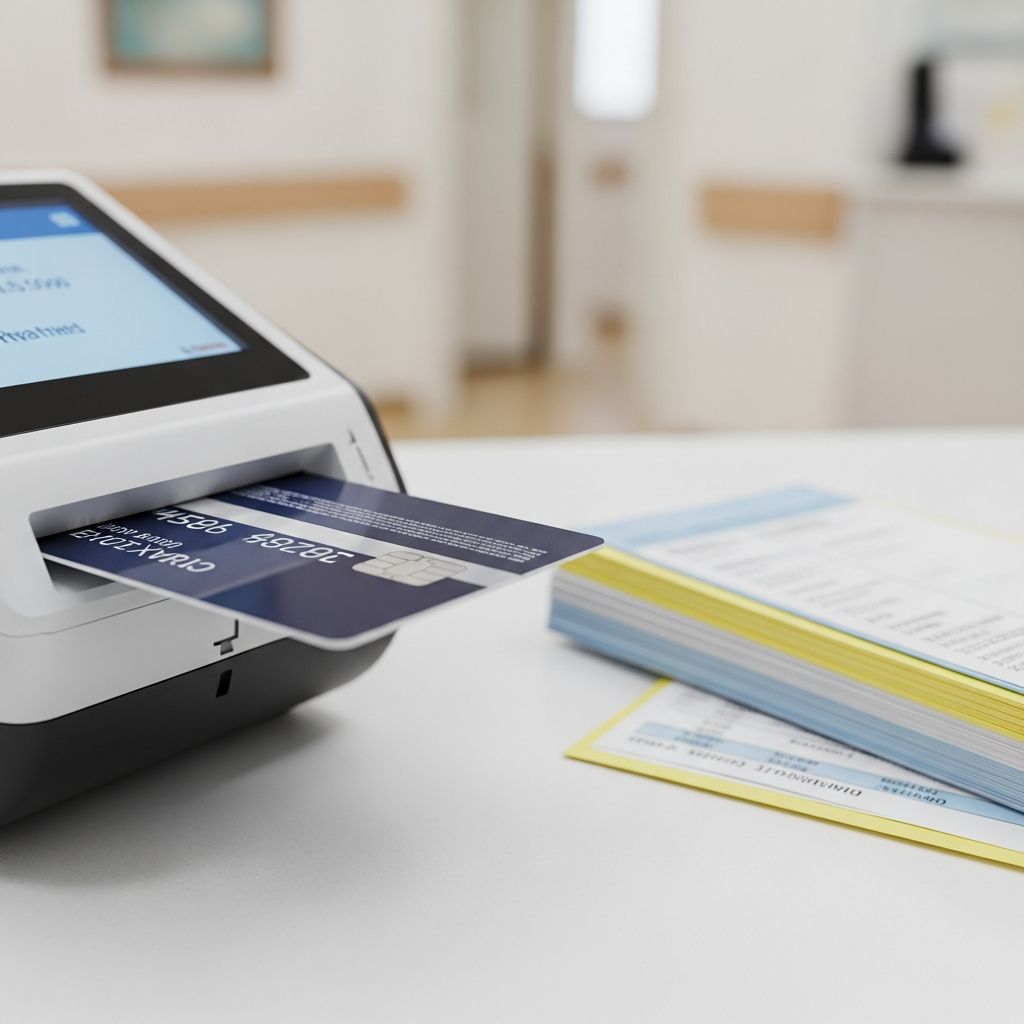
Healthcare costs represent one of the most significant financial burdens facing American families today. When faced with unexpected medical expenses or planned procedures, many patients struggle to cover bills in full, putting them in difficult financial positions. Fortunately, structured payment arrangements have become increasingly common, allowing individuals to distribute medical costs across multiple payments rather than facing one large bill. Understanding how these arrangements work, evaluating different options, and knowing how to negotiate terms can help patients access necessary care while maintaining financial stability.
Understanding Medical Payment Arrangements
A medical payment arrangement is fundamentally an agreement between a patient and a healthcare provider or their billing department that permits the patient to settle outstanding medical bills through a series of scheduled payments over a defined period, rather than submitting a single lump sum payment. These arrangements represent a practical middle ground between paying everything upfront and ignoring bills altogether, helping patients remain current on their obligations while avoiding the consequences associated with unpaid medical debt.
The specific terms of these arrangements can vary considerably depending on the healthcare provider, the type of medical service involved, and the patient’s financial circumstances. Some arrangements span several months, while others may extend over years. Payment frequency might occur weekly, monthly, or according to customized schedules designed to align with a patient’s income patterns and budget constraints.
Why Medical Payment Arrangements Matter Today
The landscape of American healthcare financing has shifted dramatically over recent decades. Insurance coverage, while providing significant protection, often leaves patients responsible for substantial out-of-pocket expenses through deductibles, copayments, and coinsurance. A typical family health insurance plan might require a patient to pay several thousand dollars before coverage begins, or might exclude certain services entirely.
For individuals on fixed incomes, seniors, and those managing multiple health conditions, these remaining costs can accumulate quickly. Without structured payment options, many patients delay or abandon necessary medical treatments, risking their health outcomes. Payment arrangements remove this barrier by making necessary healthcare financially accessible to a broader population.
Beyond benefiting patients, healthcare providers also recognize the value of flexible payment structures. When patients can afford to proceed with care, providers increase their revenue, reduce bad debt, and minimize administrative costs associated with collections efforts.
Common Scenarios Where Payment Arrangements Apply
Medical payment arrangements are particularly valuable in several specific situations:
- Insurance claims remain pending and treatment costs are high, creating a gap between service delivery and reimbursement
- Insurance companies deny coverage for specific procedures or portions of claims
- Patients must cover deductibles, copayments, or services explicitly excluded from their coverage
- Health insurance plans include annual limits or coverage restrictions that patients exceed
- Elective procedures like dental work, vision correction, or cosmetic treatments fall outside insurance coverage entirely
- Emergency procedures generate unexpected bills without advance planning opportunity
- Patients pursue personal injury claims and need time to reconcile medical balances
Additionally, patients with all types of insurance coverage remain eligible for payment arrangements, including employer-sponsored plans, Medicaid, Medicare, and coverage purchased through Healthcare.gov.
Primary Models of Medical Payment Arrangements
Direct Provider-Sponsored Plans
Many hospitals, medical practices, and healthcare systems manage their own in-house payment plans, handling all aspects of the arrangement without involving external companies. These provider-managed plans offer several advantages: patients deal directly with their healthcare provider’s billing department, arrangements can be customized to individual circumstances, and providers maintain control over terms and collection efforts.
However, providers also bear the responsibility and risk associated with patient defaults. If a patient fails to make scheduled payments, the healthcare provider must pursue collection efforts directly. Some providers offer interest-free options to make these plans more attractive to patients. For example, major medical centers like Mayo Clinic provide interest-free payment plans for eligible patients, allowing them to break substantial medical expenses into manageable monthly installments.
Third-Party Financing Partnerships
Many healthcare providers partner with external financing companies that specialize in medical lending and payment facilitation. These third-party arrangements handle credit evaluations, establish repayment terms, manage payment collection, and assume responsibility for debt recovery if patients default.
Third-party arrangements benefit providers by accelerating payment receipt—many third-party companies reimburse providers within two business days or even instantly—and eliminating administrative burden. These arrangements also expand access to patients who might not qualify for traditional credit, as many specialized medical lenders consider alternative credit factors beyond standard credit scores. Examples include CareCredit and Zip Pay, which offer flexible payment options through various healthcare providers, including both interest-free promotional periods and longer-term arrangements with deferred interest components.
Installment-Based Structures
Installment plans represent a middle approach where patients make regular payments toward a defined total bill within a specific timeframe. These arrangements differ from other models by including a clear end date—once the balance is fully paid, the arrangement concludes. The healthcare provider typically manages the plan directly rather than involving a third party, giving providers operational control but also requiring them to handle collection responsibilities.
Recurring Payment Models
For patients requiring ongoing treatment, recurring payment arrangements provide an alternative structure with no predetermined end date. These plans work well for chronic disease management, long-term specialist care, or expensive treatment courses spread across multiple months or years. Rather than establishing a fixed balance and end date, patients make regular fixed payments toward ongoing healthcare needs, creating predictable payment expectations while accommodating the reality that total costs may evolve as treatment progresses.
Interest Considerations and Terms
One of the most critical aspects of any payment arrangement involves understanding interest obligations. Some arrangements are genuinely interest-free, meaning patients pay only the original bill amount distributed across multiple payments. These truly no-interest options represent significant savings opportunities and should be strongly preferred when available.
Other arrangements feature deferred interest promotions, where interest accrual is suspended during an introductory promotional period—typically ranging from 6 to 24 months depending on the product and provider. During this period, patients pay no interest regardless of their payment progress. However, if the full balance remains unpaid when the promotional period expires, accumulated interest retroactively applies to the entire original balance at often-substantial rates. This structure creates a financial trap for patients who underestimate their payment capacity, as they suddenly face steep interest charges if unable to complete repayment within the promotional window.
Patients must carefully evaluate their realistic ability to pay before agreeing to deferred interest arrangements. For patients confident they can pay the full balance before interest kicks in, deferred interest plans can provide valuable breathing room. For those uncertain about their payment timeline, interest-free arrangements remain the safer choice.
Payment Methods and Digital Integration
Modern payment arrangements increasingly incorporate digital payment options that enhance convenience and reliability. Card-on-file solutions allow patients to authorize providers to securely store payment card information, enabling automatic recurring payments without requiring patients to provide card details repeatedly. This approach reduces administrative friction and increases payment consistency.
Digital payment platforms now permit patients to submit payments at any hour, regardless of whether the provider’s office maintains standard business hours. This 24/7 accessibility removes barriers that previously prevented patients from paying when they had the financial means. Such convenience demonstrably increases payment reliability and patient satisfaction.
Negotiation Strategies for Better Terms
Patients should recognize that medical bills and payment arrangements are frequently negotiable. Healthcare providers possess significant flexibility in structuring terms, and many providers would rather accommodate patient circumstances than engage in costly collection processes.
Before formalizing any arrangement, patients should request a reduced lump-sum payment if capable of paying the entire balance within a compressed timeframe. Some providers will accept substantially lower amounts for immediate full payment, recognizing that guaranteed current payment carries value. For patients requiring a structured arrangement, negotiating for interest-free terms rather than accepting deferred interest plans can generate substantial savings.
Patients should also verify that proposed payment amounts are genuinely affordable within their monthly budgets. Requesting payment terms that create financial hardship simply delays the underlying problem and risks default. Providers generally prefer establishing realistic payment plans that patients complete successfully over aggressive terms that result in default and collection expenses.
Eligibility and Access
Eligibility for medical payment arrangements is broadly inclusive. Healthcare providers typically make these options available to patients regardless of insurance status, accepting both uninsured patients and those carrying active insurance policies. For insured patients, payment arrangements address the growing gap between insurance coverage and actual out-of-pocket obligations.
Providers use these arrangements for virtually any healthcare service involving significant out-of-pocket costs, including primary care visits, specialist consultations, elective procedures, diagnostic imaging, dental care, vision services, and multi-visit treatment courses. Services with high deductibles, coinsurance requirements, or explicit coverage exclusions represent particularly common uses for payment arrangements.
Protecting Your Interests
While payment arrangements provide valuable access to care, patients should approach these agreements thoughtfully. Ensure you fully understand the terms before committing: know the total amount owed, the monthly payment amount, the number of payments, whether interest applies, and what happens if you miss payments.
Request written confirmation of all agreed terms rather than relying on verbal promises. Verify that the arrangement appears on your credit report accurately, as missed or late payments can damage your credit score. If you experience financial changes making payments unaffordable, contact your provider immediately to discuss adjustment options before defaulting.
For arrangements involving third-party lenders, research the lender’s reputation and review any associated terms and conditions carefully. Understand your rights and obligations before authorizing any external company to manage your payments.
Frequently Asked Questions
Do I need insurance to use a payment arrangement?
No. Payment arrangements are available to both insured and uninsured patients. Uninsured individuals often benefit particularly from these options as a way to access necessary care.
Can I use a payment arrangement for elective procedures?
Yes. Payment arrangements work well for elective services like dental care, cosmetic procedures, and wellness treatments that insurance typically excludes.
What happens if I cannot make a scheduled payment?
Contact your provider immediately. Many providers will work with you to adjust payment schedules or modify terms rather than pursuing collection action. Proactive communication prevents credit damage and collection costs.
Are all medical payment arrangements interest-free?
No. While some arrangements carry no interest, others feature deferred interest that applies retroactively if balances remain unpaid after a promotional period. Always clarify interest terms before committing.
Can I pay off a payment arrangement early without penalty?
Most providers permit early payment without penalty, though you should confirm this detail. Early payment can reduce total interest obligations on arrangements that do accrue interest.
References
- A Simple Guide to Payment Plans for Medical Procedures — ColonoscopyAssist. Accessed March 2026. https://colonoscopyassist.com/blog/no-stress-no-mess-a-simple-guide-to-payment-plans-for-medical-procedures/
- How Flexible Payment Options Will Improve Your Practice Revenue — Rectangle Health. Accessed March 2026. https://www.rectanglehealth.com/resources/blogs/flexible-payment-option-benefits/
- Patient Payment Plans: A Win-Win For Patients and Practices — Cherry. Accessed March 2026. https://withcherry.com/blog/patient-payment-plans
- What are Payment Plans for Medical Bills? — Solace Health. Accessed March 2026. https://www.solace.health/glossary/payment-plans-for-medical-bills
- What should I know about medical credit cards and payment plans for medical bills — Consumer Finance Protection Bureau. Accessed March 2026. https://www.consumerfinance.gov/ask-cfpb/what-should-i-know-about-medical-credit-cards-and-payment-plans-for-medical-bills-en-1827/
- Negotiating and Paying Medical Bills — MyHealthcareFinances. Accessed March 2026. https://www.myhealthcarefinances.com/medical-bills/negotiating-and-paying-medical-bills
- How Do Medical Bill Payment Plans Work? — Experian. Accessed March 2026. https://www.experian.com/blogs/ask-experian/medical-bill-payment-plans/
Similar Articles








Read full bio of Sneha Tete