Managing Irregular Expenses: A Strategic Financial Approach
Master the art of planning for unexpected and seasonal costs without derailing your finances
Financial planning often focuses on recurring monthly bills—rent, utilities, groceries, and insurance premiums. However, the expenses that truly disrupt many household budgets are those that appear sporadically throughout the year. From car maintenance to holiday shopping, dental work to vacation planning, these irregular expenses can derail even the most carefully constructed monthly budget. The key to financial stability lies not in hoping these costs won’t arise, but in developing a proactive strategy to accommodate them.
Understanding the Nature of Irregular Expenses
Irregular expenses are costs that don’t occur every month but appear predictably throughout the year or emerge unexpectedly. Unlike fixed monthly expenses, these variable costs require a different approach to budgeting. Some irregular expenses are anticipated—you know they’re coming—while others catch you completely off guard. The difference between these categories determines your budgeting strategy.
Anticipated irregular expenses include annual vehicle maintenance, seasonal wardrobe updates, veterinary care for pets, insurance premiums that bill twice yearly, holiday celebrations, and planned travel. Unexpected irregular expenses, by contrast, include emergency home repairs, unplanned medical procedures, car breakdowns, and urgent replacement purchases. While you cannot predict everything, understanding which expenses typically recur in your life allows you to prepare financially.
The Critical First Step: Documenting Your Expense Patterns
Before implementing any budgeting strategy, you must identify what irregular expenses actually appear in your financial life. This requires examining your spending history. Pull statements from your debit and credit cards covering the past 12 months. Look for expenses that don’t occur monthly but represent significant outflows when they do occur.
As you review these statements, categorize your findings:
- Home-related costs such as repairs, maintenance, property taxes, and improvements
- Vehicle expenses including registration, maintenance, inspections, and repairs
- Healthcare costs like dental visits, eye exams, prescriptions, and insurance copayments
- Pet care including annual checkups, vaccinations, and emergency veterinary services
- Subscription services and memberships that renew periodically
- Travel and vacation expenses for planned getaways
- Seasonal spending on holidays, gifts, and special occasions
- Professional services such as accountant fees or legal consultations
This documentation process serves a dual purpose. First, it reveals your actual spending patterns, replacing guesswork with concrete data. Second, it often identifies opportunities for cost reduction—subscriptions you forgot about or services you no longer need.
Converting Lump-Sum Costs into Monthly Allocations
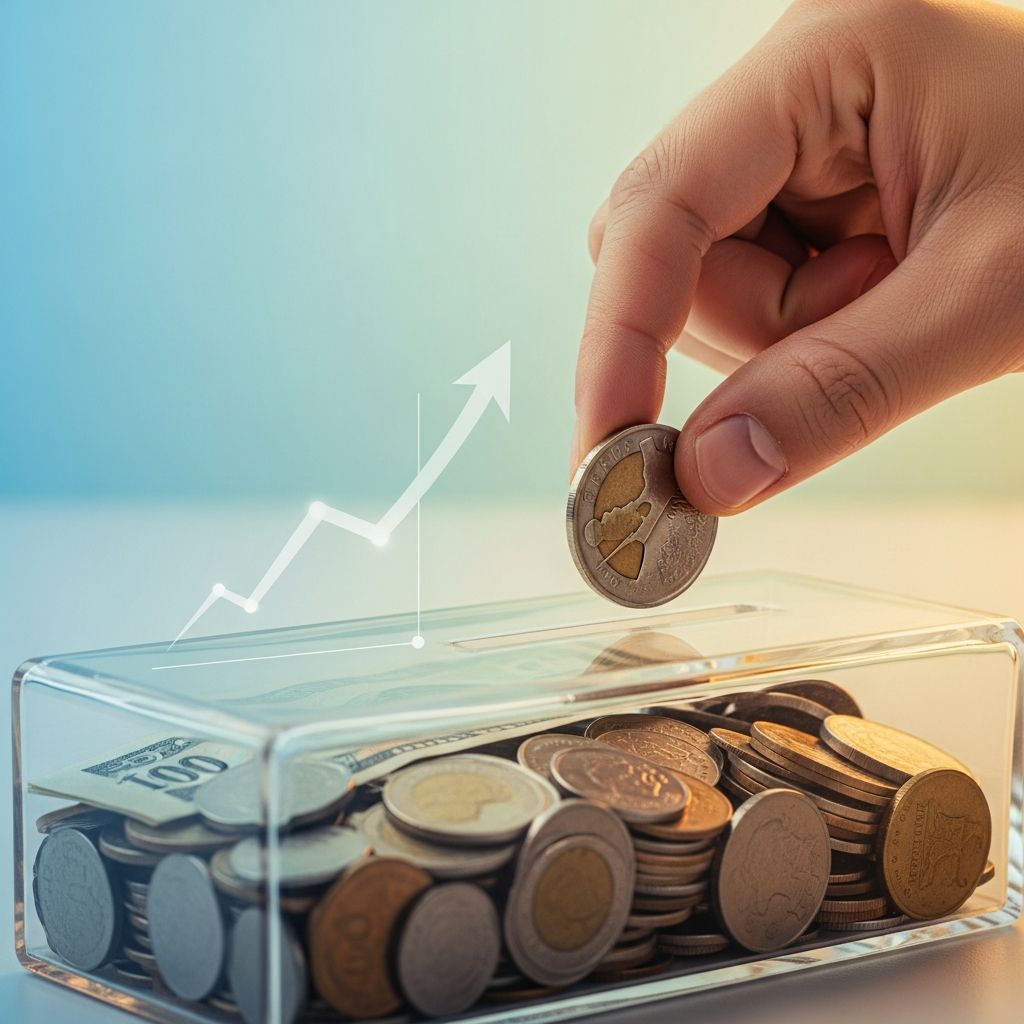
Once you understand your irregular expenses, the most effective strategy involves converting these large, sporadic costs into predictable monthly allocations. This approach, commonly called sinking funds, transforms the financial shock of a large bill into manageable monthly contributions.
The mechanism is straightforward: identify an irregular expense amount, determine when it’s due, calculate the number of months until payment, and divide the total cost by that number of months. For example, if your car requires $1,200 in annual maintenance and you want to save evenly across 12 months, you’d allocate $100 monthly. If holiday spending typically reaches $1,500 and you want it covered by December, begin setting aside $125 monthly starting in January.
This method offers significant psychological and practical benefits. Psychologically, regular small contributions feel less burdensome than a sudden large expense. Practically, the money is available when needed without forcing you to use credit cards or drain savings accounts. You can establish separate sub-accounts or allocations within a single savings account to track different irregular expense categories.
Building Financial Cushioning Into Your Budget
Beyond sinking funds, another protective strategy involves maintaining a buffer within your checking account. This cushion represents additional funds beyond what you need for regular monthly expenses. Rather than operating with a zero balance after paying bills, you intentionally maintain a surplus of $500 to $1,000 or more, depending on your comfort level and income stability.
This approach provides flexibility when unexpected expenses emerge. Instead of scrambling for solutions, you can cover the cost immediately from your buffer, then replenish it gradually. Sources for buffer replenishment include tax refunds, work bonuses, side income, or reductions in discretionary spending.
However, this strategy has limitations. A buffer provides short-term protection but isn’t sufficient for truly significant unexpected expenses. Additionally, holding large cash balances in a standard checking account represents a missed opportunity for growth, as high-yield savings accounts typically offer superior interest rates.
The Foundational Role of Emergency Reserves
Many people confuse irregular expenses with genuine emergencies, which can be financially catastrophic. Your emergency fund and your irregular expense savings serve completely different purposes and should remain separate.
An emergency fund protects you against major financial disruptions such as sudden job loss, medical emergencies requiring hospitalization, or significant home or vehicle damage. Financial experts recommend maintaining three to six months’ worth of living expenses in an emergency fund, though this amount varies based on job stability and income source. If you have irregular income or work as a freelancer or contractor, consider aiming for six to twelve months of expenses.
Irregular expenses you’ve anticipated—like insurance premiums or holiday spending—should not touch your emergency fund. Doing so leaves you vulnerable when a true emergency strikes. Instead, maintain distinct accounts: one for emergency reserves and separate allocations or accounts for known irregular expenses.
Reducing Regular Spending to Accommodate Irregular Costs
Sometimes the challenge isn’t understanding irregular expenses but finding the money to cover them while meeting regular obligations. In these situations, reducing discretionary spending in your regular budget creates space for irregular expenses without increasing overall financial stress.
Several effective approaches include:
- Auditing subscriptions and memberships, eliminating services you rarely use
- Refinancing high-interest debt to lower monthly payments
- Negotiating lower interest rates on credit cards
- Reducing dining out and implementing meal planning strategies
- Exploring transportation alternatives such as carpooling or public transit
- Reassessing insurance policies to find better rates
- Implementing a digital spending freeze on non-essential purchases
These reductions serve dual purposes. They free up monthly cash flow to allocate toward irregular expenses while simultaneously accelerating progress toward other financial goals like debt repayment or wealth building.
Seasonal Budget Customization
Rather than maintaining identical monthly budgets year-round, consider customizing your budget for months you know will have elevated expenses. If November and December involve holiday shopping, entertaining, and travel, build a larger discretionary allocation into those months. Similarly, summer months might require increased spending for vacation or outdoor activities.
This approach involves looking ahead at your calendar and identifying months with known increased expenses. You can then offset this by reducing allocations in lighter months, transferring the surplus to savings for use during expensive months. This seasonal approach feels more natural than pretending every month is identical.
Implementing a Comprehensive Tracking System
Successfully managing irregular expenses requires ongoing monitoring. Track actual spending against your projections, noting discrepancies. If you budgeted $80 monthly for car maintenance but spent $150 last month, adjust accordingly. Conversely, if your projections significantly exceed reality, you may have freed up funds for other priorities.
Modern budgeting applications and spreadsheets make this tracking efficient. Many offer automatic categorization of expenses and visual representations showing budget performance. The goal isn’t perfect accuracy but rather reasonable approximations that prevent financial surprises.
Strategic Use of Credit for Irregular Expenses
If an unexpected irregular expense exceeds your available resources and emergency fund, credit cards may be necessary. However, approach this strategically. If you must use a credit card, prioritize cards offering introductory 0% APR periods or those with favorable existing interest rates. Ensure you have a repayment timeline to eliminate the balance before interest accrues.
If you apply for a new credit card specifically to cover an irregular expense, remember that your credit score influences approval odds and interest rates offered. Maintaining strong credit health through on-time payments and low credit utilization improves your financial options when large expenses arise.
Adjusting Your Strategy Annually
Budgeting for irregular expenses isn’t a set-it-and-forget-it endeavor. Review your irregular expense patterns annually, particularly after the calendar year concludes or at the beginning of a new budget cycle. Did your actual irregular expenses match your projections? Have life changes created new irregular expenses? Have others disappeared?
Young families might experience increased school activity costs during certain seasons. Aging homeowners might face escalating maintenance expenses. As circumstances evolve, your irregular expense allocations should evolve accordingly. Regular annual reviews ensure your budgeting strategy remains aligned with your actual financial reality.
Creating a Sustainable Long-Term Approach
The most successful budgets aren’t restrictive or punitive—they’re sustainable. A budget that accounts for irregular expenses realistically, with cushioning and flexibility, reduces financial stress while improving outcomes. You’re not fighting against the reality that unexpected costs emerge; you’re acknowledging and planning for them.
This holistic approach—combining expense documentation, sinking funds, modest budget cushioning, proper emergency fund maintenance, discretionary spending reduction, seasonal customization, and regular tracking—creates a comprehensive framework for managing irregular expenses. Rather than derailing your finances, irregular expenses become predictable components of your overall financial plan.
References
- How to Budget for One-Time Expenses — Experian. 2024-03-18. https://www.experian.com/blogs/ask-experian/how-to-budget-for-one-time-expenses/
- How to Budget for Major One-Time Expenses — First State Community Bank. https://www.fscb.com/blog/how-to-budget-for-major-one-time-expenses
- How to plan for occasional and unexpected expenses — Get Smarter About Money (Government of Canada). https://www.getsmarteraboutmoney.ca/learning-path/budgeting/plan-for-occasional-and-unexpected-expenses/
- An essential guide to building an emergency fund — Consumer Finance Protection Bureau (CFPB). https://www.consumerfinance.gov/an-essential-guide-to-building-an-emergency-fund/
- How to Budget for Non-Recurring Expenses — BILL. https://www.bill.com/blog/how-to-budget-for-nonrecurring-expenses
- Popular Budgeting Strategies — University of Pennsylvania Student Financial Services. https://srfs.upenn.edu/financial-wellness/browse-topics/budgeting/popular-budgeting-strategies
Similar Articles








Read full bio of medha deb