Managing Your Finances After Paying Off Your Car
Essential steps to take once your auto loan is completely paid off

Reaching the milestone of paying off your car loan is a significant financial achievement that deserves recognition. However, the completion of your auto loan is not simply the end of a payment obligation—it marks the beginning of a new financial chapter that requires careful attention and strategic planning. Many borrowers focus exclusively on the immediate relief of eliminating a monthly payment, yet overlook several important administrative, legal, and financial tasks that should follow. Understanding what steps to take after your loan is fully satisfied will help you protect your investment, optimize your finances, and avoid potential complications down the road.
Securing Legal Ownership Through Title Documentation
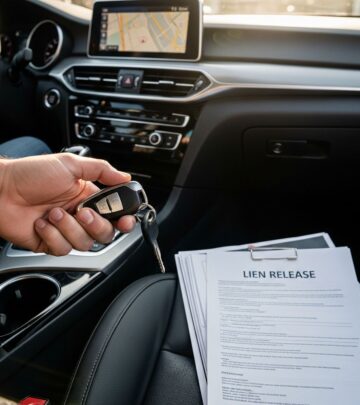
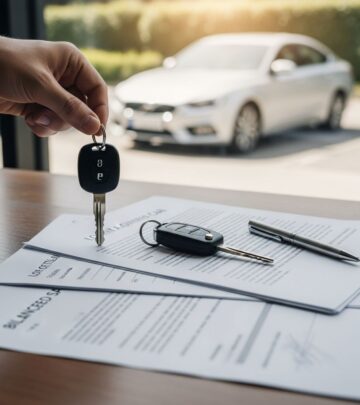
One of the most critical tasks following the complete repayment of your auto loan is ensuring that your vehicle title reflects your clear ownership status. When you financed your automobile, the lender held a lien against the vehicle, meaning they had a legal claim to it as security for the loan. Once you have satisfied the entire loan balance, this lien must be formally released, and your title must be updated to show that you own the vehicle outright.
The process for obtaining an updated title varies significantly depending on your state’s regulations and your lender’s procedures. In many cases, your lender will automatically notify your state’s department of motor vehicles (DMV) that the loan has been paid in full. Following this notification, the DMV will prepare and mail you a new title document with the lien removed. However, some lenders and states require more active participation on your part. You may need to request specific documentation from your lender—such as a lien release form or a satisfaction of lien certificate—and then submit these documents to your state’s DMV either in person or through an online portal.
To determine the exact process applicable to your situation, you should:
- Contact your state’s DMV directly through their official website or phone line
- Request clarification from your lender about what documentation they will provide and what steps you must take
- Ask whether your state allows electronic submission of title transfer documents or if an in-person visit is required
- Inquire about processing times and any associated fees for title transfer or replacement
Obtaining your clear title should be a priority because it provides legal proof of your ownership and is essential if you ever decide to sell the vehicle, refinance it, or transfer ownership to another party.
Monitoring Your Credit Profile and Establishing Positive Financial Habits
While paying off your car loan is undoubtedly positive from a debt-reduction perspective, it is important to understand how this action affects your credit report and credit score. Your payment history on the auto loan has been a significant component of your credit profile, demonstrating your reliability in meeting long-term financial obligations. Once the account is closed, you lose the benefit of continued positive payment activity on this specific account.
In the short term, you may notice a slight decrease in your credit score immediately after paying off the loan. This temporary decline occurs because your credit mix—the variety of credit types you maintain—changes, and because the account is no longer actively being reported to credit bureaus. However, this effect is typically minor and temporary. Over time, having a paid-in-full installment loan on your credit report demonstrates responsible borrowing behavior and actually strengthens your overall credit profile.
To maintain and improve your credit standing after paying off your auto loan, you should:
- Continue making all other loan and credit card payments on time without exception
- Keep your credit card balances low relative to your available credit limits
- Avoid opening multiple new credit accounts in rapid succession
- Review your credit report regularly for errors or unauthorized activity
- Maintain a healthy mix of credit types, such as revolving credit and installment loans
The positive payment history from your now-closed auto loan will remain on your credit report for approximately seven years, continuing to benefit your creditworthiness.
Reassessing Your Insurance Coverage and Costs
When you financed your vehicle, your lender likely required you to maintain comprehensive and collision insurance coverage in addition to the mandatory liability insurance. These requirements protected the lender’s financial interest in the vehicle. Now that you own the car outright, you have greater flexibility in choosing your insurance coverage levels.
However, removing required coverage is not always the wisest financial decision. While comprehensive and collision coverage are technically optional once the lien is released, maintaining these coverages protects your significant personal asset from theft, damage, or accidents. The decision to reduce or eliminate this coverage should be based on factors such as:
| Consideration Factor | Full Coverage Recommended | Reduced Coverage Option |
|---|---|---|
| Vehicle Age | Newer vehicles (less than 5 years old) | Older vehicles with lower market value |
| Vehicle Value | Worth $15,000 or more | Worth less than $10,000 |
| Outstanding Debt | Have other financial obligations | Financially stable with emergency savings |
| Usage Pattern | Daily commute or frequent driving | Occasional use or stored vehicle |
| Financial Reserves | Limited emergency savings | Substantial emergency fund established |
You should contact your insurance provider to explore whether your rates might decrease now that you own the vehicle free and clear. Some insurers offer discounts or can adjust your premium based on the reduced risk associated with owning the vehicle outright. Taking the time to shop around and compare quotes from multiple insurance companies can also reveal significant savings opportunities you might have missed while obligated to maintain lender-required coverage.
Redirecting Your Payment Allocation Toward Other Financial Goals
Perhaps the most tangible benefit of paying off your car loan is the elimination of a monthly payment obligation. For many borrowers, this payment represented a substantial portion of their monthly budget. Now that this expense has been eliminated, you have an opportunity to redirect these funds toward other important financial priorities.
Rather than simply spending the freed-up money on increased consumption, consider strategically allocating these funds to strengthen your overall financial position:
- Emergency Fund Development: If you don’t have three to six months of living expenses saved, use your former car payment to build this essential financial cushion
- Retirement Contributions: Increase your 401(k) contributions or IRA deposits to accelerate your long-term retirement savings
- High-Interest Debt Reduction: Attack credit card balances or other high-interest debt with the funds you were dedicating to your car payment
- Home Improvement or Maintenance: Address deferred home repairs or upgrades that enhance your property’s value and functionality
- Skill Development and Education: Invest in professional development or educational programs that increase your earning potential
- Long-Term Investment Growth: Channel the money into a taxable investment account, brokerage account, or other wealth-building vehicles
The key is to make a conscious decision about how these funds will be allocated rather than allowing lifestyle inflation to consume the freed-up cash. Many financial experts recommend treating your former car payment as an ongoing obligation to yourself, directing it toward predetermined financial goals each month.
Practical Checklist for Post-Payoff Actions
To ensure you have addressed all necessary matters following your car loan payoff, use this comprehensive checklist:
- Obtain a payoff confirmation letter from your lender documenting that the loan balance is zero
- Request a paid-in-full letter or lien release document from your lender
- Submit required documentation to your state’s DMV for title transfer
- Follow up with the DMV to confirm receipt of your clear title
- Review your credit report from all three major bureaus for accuracy
- Contact your insurance provider to discuss coverage adjustments and potential rate reductions
- Obtain new insurance quotes from at least three different companies
- Update your personal financial records to reflect the paid-off status
- Establish a plan for redirecting your monthly car payment funds
- Schedule vehicle maintenance to keep your now-owned car in optimal condition
Frequently Asked Questions
How long does it typically take to receive my clear title after paying off the loan?
The timeline varies by state and lender, but generally ranges from two to six weeks. Some states process title transfers electronically and can complete the process within two weeks, while others may require additional time for mail delivery and processing. Contacting your DMV directly can provide a more specific estimate for your location.
Will paying off my car loan hurt my credit score?
You may see a small temporary decrease in your credit score immediately after paying off the loan, but this effect is typically minor and short-lived. Within a few months, your score should recover, and the positive payment history from the account will continue benefiting your credit profile for years to come.
Can I reduce my insurance coverage now that I own the car outright?
Yes, you can technically reduce or eliminate comprehensive and collision coverage once the lien is released. However, this decision depends on your vehicle’s age, value, and your financial situation. Newer vehicles with higher values generally warrant maintaining full coverage to protect your asset.
What should I do with my monthly car payment amount now?
Rather than spending this money on increased consumption, consider allocating it toward emergency savings, retirement contributions, debt reduction, home maintenance, education, or investment growth. Creating a deliberate plan for these funds helps you maximize the financial benefit of paying off the loan.
Do I need to do anything special to maintain my vehicle’s warranty after paying off the loan?
Warranty coverage is independent of loan status and continues regardless of who owns the vehicle free and clear. However, you should follow the manufacturer’s recommended maintenance schedule to preserve warranty coverage, as many warranties require regular maintenance at authorized service centers.
Moving Forward with Financial Confidence
Paying off your car loan represents a major accomplishment in your financial journey. By completing these essential follow-up steps—securing your vehicle title, monitoring your credit, reassessing your insurance, and strategically redirecting your payment funds—you ensure that you fully capture the benefits of this achievement. The elimination of your car payment provides a powerful opportunity to accelerate progress toward other financial goals while protecting the significant asset you now own completely. Taking time to handle these administrative and financial matters properly sets the foundation for continued financial success and positions you to build wealth more effectively in the years ahead.
References
- What to Do Once You Pay Off Your Car — Experian. https://www.experian.com/blogs/ask-experian/i-paid-my-car-loan-now-what/
- How to Pay Off Your Car Loan Faster — LendingTree. https://www.lendingtree.com/auto/refinance/how-to-pay-off-your-car-loan-faster/
- How to Pay Off a Car Loan Faster & When to Wait — Bankrate. https://www.bankrate.com/loans/auto-loans/how-to-pay-off-a-car-loan-faster/
- Paying Off Your Car Loan Early: Things to Consider — PNC Bank. https://www.pnc.com/insights/personal-finance/spend/paying-your-car-loan-off-early.html
Similar Articles








Read full bio of medha deb