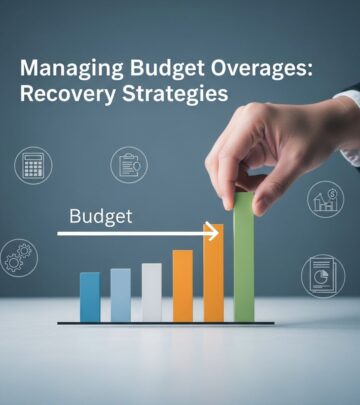
Managing Excessive Spending: Strategies for Financial Control
Take command of your finances by recognizing spending patterns and building sustainable habits.

Financial discipline remains one of the most challenging aspects of personal money management. Many individuals find themselves at the end of each month wondering where their money went, discovering unexpected credit card balances, or relying on savings reserves to cover regular living expenses. Understanding the root causes of excessive spending and implementing targeted strategies can transform your financial trajectory and provide greater peace of mind about your financial future.
Recognizing the Warning Signs of Spending Imbalance
Before implementing corrective measures, it’s essential to identify whether you’re experiencing spending issues. Certain patterns consistently indicate that your expenditures exceed healthy levels. Carrying over credit card balances month after month, particularly when you’re unable to pay off the entire balance, signals a fundamental mismatch between income and spending. Similarly, when you begin drawing from emergency savings or dedicated investment accounts just to cover ordinary monthly expenses like groceries or utilities, you’ve crossed into problematic territory.
Another revealing indicator is the justification pattern—frequently rationalizing purchases that fall outside your predetermined budget with statements like “just this once” or “I deserve this.” These mental gymnastics are warning flags that your spending decisions have become detached from your actual financial commitments and priorities. Additionally, feeling anxious or stressed when reviewing bank statements, or actively avoiding looking at your account balances, suggests underlying concerns about your spending behavior that warrant immediate attention.
Understanding the Psychology Behind Spending Excess
Excessive spending rarely occurs in a vacuum. Multiple psychological and environmental factors contribute to overspending behaviors. Social influences play a significant role—when peers acquire new products, take luxury vacations, or upgrade their lifestyles, the pressure to maintain comparable status can override rational financial decision-making. The fear of missing out, commonly referred to as FOMO, creates urgency around purchases that might otherwise seem unnecessary.
Emotional triggers also drive overspending significantly. Individuals may shop to alleviate boredom, combat sadness, celebrate achievements without measured limits, or manage stress and anxiety. The temporary satisfaction from acquiring something new can mask underlying emotional needs that require different solutions. Environmental factors compound these psychological elements—constant exposure to targeted advertising through social media, promotional emails, and retail environments creates persistent pressure to consume.
Understanding your personal spending triggers is foundational to developing effective interventions. Do you overspend primarily in specific locations like clothing retailers or coffee shops? Do certain emotional states prompt spending binges? Does socializing with particular groups lead to inflated expenditures? Identifying these patterns allows you to develop targeted strategies rather than applying generic solutions that may not address your specific vulnerabilities.
Establishing a Comprehensive Budget Framework
A written budget serves as the cornerstone of spending control. Rather than vague intentions to “spend less,” a budget transforms abstract goals into concrete numerical allocations. Start by documenting all regular monthly expenses—housing, utilities, insurance, transportation, groceries, and minimum debt payments. These fixed and semi-fixed obligations represent your spending baseline.
Next, allocate specific amounts to discretionary categories: dining out, entertainment, hobbies, and personal care. The key is intentionality—consciously deciding how much you’ll spend in each area rather than allowing spending to happen by default. Many people find it helpful to include a modest “flexibility fund” for small indulgences without feeling completely deprived, which makes the budget more sustainable long-term.
Crucially, your budget must include dedicated allocations for savings goals and emergency reserves. Financial stability requires setting aside funds for unexpected expenses and long-term objectives like retirement or major purchases. When you budget these priorities alongside regular expenses, you prevent them from being crowded out by discretionary spending.
Implementing Practical Purchase Decision Protocols
Simple waiting periods can dramatically reduce impulse purchases. The 24-hour rule—postponing any non-essential purchase decision by at least one day—provides psychological distance from the emotional impulse driving the purchase. During this waiting period, you often discover that the initial urge has faded, or you recognize that the item doesn’t align with your actual needs or budget.
For larger purchases, extend this cooling-off period to 48 hours or even two weeks. Significant expenditures deserve more deliberate consideration. Before completing any purchase, ask yourself clarifying questions: Do I need this or want this? Will this purchase align with my budget? Am I buying this because I genuinely need it, or am I reacting to an emotional trigger? Does this support my financial goals?
Shopping with a prepared list provides another layer of protection against unplanned purchases. Whether shopping online or in physical stores, a pre-made list keeps you focused on actual needs rather than succumbing to in-store temptations or social media-driven desires. Avoid browsing without purpose, which is precisely how retailers design stores and apps—to encourage discovery and spontaneous purchases.
Leveraging Technology and Tools for Accountability
Modern financial technology offers powerful tools for tracking spending and maintaining awareness. Budgeting applications categorize your expenses automatically, revealing where your money actually goes rather than where you think it goes. This data-driven visibility often proves eye-opening and motivates behavior change.
Digital banking platforms provide transaction alerts, allowing you to notice spending patterns in real-time. Some applications enable you to set spending limits for specific categories and alert you when you’re approaching those limits. These automated reminders create accountability without requiring constant manual monitoring.
External accountability amplifies your motivation. Sharing your financial goals with a trusted friend, family member, or accountability partner creates social commitment. Regular check-ins—discussing your spending successes and challenges—provide external pressure to maintain discipline and celebrate progress. Some people find online communities focused on spending reduction particularly motivating, as they connect with others working toward similar goals.
Modifying Environmental and Behavioral Factors
Your physical and digital environment significantly influences spending impulses. Unsubscribing from marketing emails eliminates constant exposure to “limited-time offers” and promotional messages designed specifically to trigger purchases. Setting your browser to block targeted advertising and disabling notifications from shopping apps reduces ambient commercial pressure.
Consider adjusting your payment methods deliberately. Using cash for discretionary spending creates tangible awareness of money leaving your possession, making the financial impact visceral and immediate. Digital payments feel abstract by comparison, potentially enabling overspending without psychological resistance. If you must use cards, removing one-click purchasing options forces an additional decision point during checkout, creating space for reconsideration.
Reducing social media consumption or curating your feed to minimize commercial content addresses FOMO triggers at their source. Limiting exposure to others’ purchases, upgrades, and lifestyle displays reduces psychological pressure to match their consumption patterns. When you do engage with social media, following accounts focused on minimalism, financial independence, or personal development can shift your reference group toward spending-conscious individuals.
Strategic Approaches to Different Spending Categories
Various spending categories require different management strategies. For grocery and household shopping, meal planning before shopping prevents impulse purchases and allows you to buy strategically during sales. Preparing meals at home costs significantly less than purchasing prepared foods or dining out regularly. Buying store-brand products instead of name-brand alternatives can reduce spending substantially without sacrificing quality in many categories.
For social spending, establish clear communication with friends about your financial boundaries before engaging in activities. This honest conversation prevents awkward situations and allows you to participate within your means. Suggesting lower-cost alternatives to expensive activities—picnics instead of restaurants, home game nights instead of bars—maintains social connections without budget strain.
Shopping for clothing, electronics, and other discretionary items benefits from searching for sales, visiting discount retailers, and purchasing previous seasons’ items. Establishing a price threshold—”I won’t spend more than $X on a category item”—prevents upward price creep over time. Regularly asking whether you truly need replacements or simply want upgrades helps distinguish necessity from desire.
Establishing Sustainable Behavioral Change
True spending control requires shifting underlying attitudes toward money and consumption. This transformation happens gradually through repeated small decisions that align behavior with values. Rather than attempting dramatic spending cuts that create feelings of deprivation, successful financial improvement typically involves incremental adjustments that feel sustainable.
Setting inspiring financial goals provides motivation beyond simply “spending less.” Visualizing what the money you’re not spending could accomplish—a vacation, home down payment, debt freedom, or early retirement—creates positive motivation. Goals linked to your core values generate stronger commitment than external obligations or generic financial recommendations.
Celebrating progress, however modest, reinforces positive behavioral change. Recognizing weeks where you stayed within budget, successfully resisted spending triggers, or achieved spending reduction milestones builds momentum and confidence. This positive feedback loop makes sustained change more likely than focusing exclusively on lapses or setbacks.
Considering Intensive Reset Strategies
For individuals with severely ingrained overspending habits, more intensive approaches may prove necessary. A “no-spend challenge”—designating a period where you only purchase essentials for a week, month, or longer—provides a complete reset. This temporary moratorium on discretionary spending allows you to experience life without shopping, practice finding satisfaction outside consumption, and experience the psychological benefits of spending restraint.
During no-spend periods, redirect the psychological energy usually devoted to shopping toward other activities. Organize your living space, pursue hobbies you’ve neglected, spend time with loved ones, exercise, or engage in creative projects. This active redirection prevents the no-spend period from feeling purely restrictive and helps establish new behavioral patterns.
Some individuals have successfully pursued extended challenges, such as “buy nothing” years where they replace and purchase only genuine necessities. These intensive approaches work best for people who have struggled with conventional moderation approaches and need dramatic behavioral reset.
Frequently Asked Questions About Spending Control
How long does it take to develop better spending habits?
Behavioral change typically requires 4-8 weeks of consistent practice before new habits feel natural. However, meaningful progress in spending reduction often becomes apparent within 2-3 weeks. Individual variation is significant—some people adapt quickly while others require longer periods of conscious effort. The key is consistency rather than perfection.
Is it possible to overspend even with a budget?
Yes. A budget provides structure but requires discipline to follow. Common reasons people exceed budgets include underestimating category amounts, failing to account for irregular expenses, or making deliberate exceptions that accumulate. Regularly reviewing your actual spending against budgeted amounts helps identify patterns and adjust allocations.
What should I do if I fail to follow my spending plan?
Lapses in spending discipline are normal. Rather than viewing failures as permanent setbacks, treat them as data. Why did you overspend? What triggered the excess? What conditions enabled it? Use this information to adjust your strategy—perhaps your budget allocation was too low, or you need stronger environmental controls. Resume your plan immediately without guilt or shame.
Can I ever spend on non-essentials without jeopardizing my finances?
Absolutely. Intentional discretionary spending is sustainable and healthy. The distinction lies in conscious choice versus uncontrolled impulse. If your budget includes a planned amount for entertainment, hobbies, or treats, spending that allocated amount aligns with your financial plan rather than violating it. The key is planning and awareness rather than complete deprivation.
Moving Forward With Financial Confidence
Excessive spending reflects neither moral failure nor permanent inability to manage money. Rather, it represents a learned pattern that can be unlearned through deliberate practice and systemic change. By identifying your personal spending triggers, implementing practical protocols, leveraging available tools, and gradually shifting your mindset toward money, you can develop a healthier financial life.
The process requires patience with yourself as you develop new habits and establish sustainable patterns. Small consistent improvements accumulate into meaningful financial change. As you gain confidence in your ability to manage spending, you’ll experience reduced financial stress, improved relationships with money, and greater capacity to allocate resources toward what genuinely matters to you.
References
- How to Stop Overspending: 6 Tips to Regain Control of Your Money — Landmark Credit Union. 2024. https://landmarkcu.com/blog/how-to-stop-overspending-6-tips-to-regain-control-of-your-money/
- How to Stop Spending Money: 10 Tips and Tricks to Stay in Control — PNC Bank. 2024. https://www.pnc.com/insights/personal-finance/save/how-to-stop-spending-money.html
- Financial Peer Pressure: How to Stop Overspending Behavior — Bank of America Better Money Habits. 2024. https://bettermoneyhabits.bankofamerica.com/en/saving-budgeting/how-to-stop-overspending
- 4 Ways to Avoid Overspending | Health & Well-Being — University of Colorado Boulder. 2024. https://www.colorado.edu/health/blog/overspending
- How to Stop Spending: 7 Strategies to Try — Wintrust. 2023. https://www.wintrust.com/articles/2023/12/how-to-stop-spending-7-strategies-to-try.html
Similar Articles








Read full bio of Sneha Tete