Managing Credit Card Issuer Transitions
Navigate your credit card issuer change smoothly with expert guidance
Credit card issuers occasionally change their operations, transferring existing cardholder accounts to different financial institutions. This transition can occur with retail co-branded cards, airline reward programs, hotel partnerships, and various other credit products. Understanding what happens during these transfers and knowing how to prepare can significantly reduce disruption to your financial routine.
Why Do Credit Card Issuers Change?
Credit card issuers may transition accounts between institutions for several reasons. Financial institutions sometimes restructure their credit card operations, consolidate services with partner banks, or make strategic business decisions that affect their product offerings. When these changes occur, cardholders maintain their existing credit lines and account relationships, but the financial institution managing the account changes.
Co-branded cards—particularly those associated with retail chains, airlines, and hotel networks—experience these transitions more frequently than standard credit products. However, any credit card can potentially be subject to an issuer change.
Receiving Notification About Your Issuer Change
Financial institutions are required to notify cardholders when an issuer change will occur. You will typically receive written notification through mail, providing details about the transition timeline and what to expect.
Information You Should Receive
- The date when the transition becomes effective
- Your new account number (if applicable)
- Contact information for the new issuer
- Details about any changes to terms, interest rates, or rewards programs
- Instructions for activating your new card and accessing online services
It’s critical to read this notification carefully and note the transition date. This information helps you plan for the changes and ensure continuity of any automatic payments or recurring charges on your account.
Early Preparation: Building Your Action Plan
The most effective way to manage an issuer change is to begin preparing well before the transition date. Early planning minimizes the risk of missed payments, service disruptions, or rewards complications.
Step 1: Assess Your Current Card Usage
Document exactly how you use your current credit card. This inventory serves as your roadmap for updating payment information after the transition.
- Identify all recurring monthly charges (subscriptions, insurance premiums, utilities)
- Note all vendors where your card is saved for quick checkout (online retailers, travel sites)
- List any automatic bill payments set up through the card issuer’s payment system
- Review your reward program benefits and accumulated points or miles
- Check whether you have any pending applications or ongoing disputes
Step 2: Organize Your Financial Documentation
Before the transition occurs, download and save copies of your account statements, transaction history, and any important correspondence from your current issuer. These records become valuable references if questions arise during or after the transition.
Creating a digital folder with this information ensures you can quickly reference past transactions or dispute details. This documentation also helps if you need to verify charges or track your account history across the transition period.
Step 3: Consider a Backup Payment Method
While most transitions proceed without complications, having an alternative credit card provides security during the changeover. If your card experiences activation delays or technical issues, you can continue making purchases and paying bills without interruption.
This secondary card needn’t be from the same issuer or even carry the same rewards structure. Its primary purpose is serving as a contingency for essential payments and necessary purchases.
Verifying Rewards Program Continuity
One of the most important concerns during an issuer transition involves your rewards program. Whether you earn cash back, points, or airline miles, understanding how these benefits transfer is essential.
What Typically Happens to Your Rewards
Most issuers honor existing rewards balances when accounts transition. However, the mechanics of how rewards function may change. Some programs might alter earning rates, redemption options, or partner merchants.
Before the transition date, review the specific terms provided by your new issuer regarding rewards continuity. Contact the new issuer directly if the notification doesn’t clearly explain how your current rewards balance transfers.
Protecting Your Rewards Accumulation
- Redeem any rewards you’re uncertain about before the transition occurs
- Note your current point or mile balance in your saved documentation
- Verify the new rewards balance once your account activates with the new issuer
- Review any changes to redemption options or partner programs
- Ask about grandfather provisions if you’re concerned about benefit reductions
Activating Your Account with the New Issuer
Once your new card arrives, you’ll need to activate it before using it for transactions. Most issuers provide multiple activation methods to accommodate different preferences.
Activation Methods
You can typically activate your new credit card through the issuer’s website, mobile application, or by calling their customer service number. The activation process usually takes just a few minutes and requires you to verify your identity and confirm receipt of the physical card.
After activation, test the card with a small purchase to ensure it processes correctly. This verification prevents complications when you begin updating recurring payments and automatic charges.
Creating Your Online Account
Set up your online account and mobile app access with the new issuer as soon as possible. This access allows you to monitor your account, make payments, and manage your card effectively.
- Establish your login credentials and security questions
- Set up two-factor authentication if available
- Link bank accounts for automatic payments
- Enable account alerts and notifications
- Configure paperless billing preferences
Updating Recurring Charges and Payments
This represents one of the most time-consuming aspects of managing an issuer transition. You’ll need to contact each vendor and service provider that charges your card regularly, updating them with your new card information.
Organizing Your Update Process
Use the list of recurring charges you created during your preparation phase. Systematically work through each vendor, prioritizing essential services like insurance, utilities, and loan payments.
Essential Services to Update First
| Service Category | Examples | Priority Level |
|---|---|---|
| Insurance Premiums | Auto, home, health insurance | Critical |
| Loan Payments | Mortgage, student loans, personal loans | Critical |
| Utilities | Electricity, gas, water, internet | High |
| Subscriptions | Netflix, streaming services, software | Medium |
| Memberships | Gym, professional associations, clubs | Medium |
| Retail Accounts | Amazon, department stores, online retailers | Lower |
Communication Methods for Updating Payment Information
Most vendors allow online account updates where you can edit your payment method directly. Alternatively, you can call customer service to update your information. Some businesses provide multiple communication channels, so choose the method most convenient for you.
Keep a checklist as you complete these updates. Checking off each vendor helps you avoid accidentally missing a service, which could result in failed payments or service interruptions.
Managing Automatic Payments and Bill Pay Services
If you’ve set up automatic payments through your bank’s bill pay service or directly with merchants, you’ll need to update these arrangements with your new card information.
Payment Due Dates and Billing Addresses
The new issuer may have different payment due dates and billing addresses than your previous issuer. Review your new account welcome materials carefully to identify these details.
Update any automatic payments you’ve configured to ensure they’re sent to the correct address and reflect any changes in due dates. Sending payments to outdated addresses or on incorrect dates can result in late fees and credit reporting issues.
Setting Up Your New Automatic Payment Plan
- Determine your preferred payment method (full balance, minimum payment, or fixed amount)
- Set the payment to process several days before your due date to account for processing time
- Verify the new issuer’s payment receiving address and payment instructions
- Test the automatic payment system with your first payment to confirm it works correctly
Monitoring Your Account During Transition
Active account monitoring helps you catch any problems quickly during the transition period. Review your statements regularly and watch for any unusual activity or errors.
What to Monitor
Check that recurring charges continue to process normally. Verify that your reward points or cash back continues to accumulate correctly. Ensure that your credit limit transfers properly to your new account. Monitor for any duplicate charges or missed payments that might indicate processing problems.
If you notice any discrepancies, contact the new issuer’s customer service immediately. Documenting these issues and the dates you reported them creates a record if disputes become necessary.
Frequently Asked Questions About Issuer Transitions
Will my credit score be affected by an issuer change?
An issuer transition shouldn’t negatively impact your credit score when handled properly. Your credit line typically transfers to the new issuer, maintaining your available credit and payment history. However, if missed payments occur during the transition, these could affect your credit.
What happens to my old credit card?
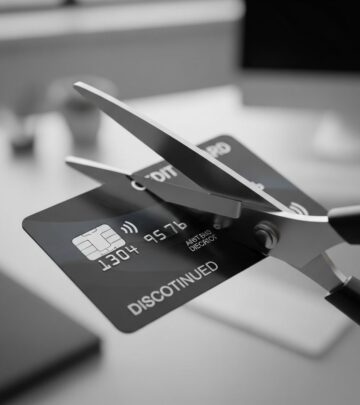
Your old card will no longer function after the transition period ends. You should securely destroy it by cutting it into small pieces, particularly if it contains your account number and expiration date.
Can I choose to stay with my current issuer?
When an issuer transition occurs for a specific card product, you typically cannot avoid it. You’re transitioning with your account as a cardholder. If you prefer a different product, you could close the account and open a new one, though this affects your credit utilization and account age.
How long does the transition process typically take?
Most transitions occur within a few weeks to a couple of months. The new issuer will provide a timeline in your notification materials. During this period, your account may remain active with your current issuer while the transfer is being processed in the background.
What if I don’t receive notification about my issuer change?
Ensure your contact information is current with your credit card issuer. If you believe you should have received notification but didn’t, contact your current issuer to ask about any pending account changes.
Final Considerations for a Smooth Transition
Successfully managing a credit card issuer change requires preparation, attention to detail, and proactive communication. By understanding the process, organizing your account information, and systematically updating recurring payments, you can minimize disruptions to your financial routine.
Begin your preparation as soon as you receive notification about the change. Work through each step methodically, maintaining documentation of your progress. Stay vigilant during the transition period, monitoring your account for any unusual activity or errors.
Most issuer transitions proceed smoothly when cardholders take these proactive steps. By being prepared and organized, you can navigate this change confidently and maintain the financial continuity you depend on.
References
- 5 Steps to Take When Your Credit Card Changes Issuers — Experian. https://www.experian.com/blogs/ask-experian/steps-to-take-when-credit-card-changes-issuers/
- 7 Steps to Take When Your Credit Card Changes Issuers — NerdWallet. https://www.nerdwallet.com/credit-cards/learn/what-to-do-credit-card-changes-issuers
- 11 Steps To Take When Your Credit Card Issuer Changes — Tucson.com. https://tucson.com/business/investment/personal-finance/article_a1b6c22a-d9a8-5577-9331-b6a5685bb758.html
- How to switch credit cards with your issuer — Bankrate. https://www.bankrate.com/credit-cards/advice/things-to-know-before-switching-credit-cards/
- Put Me In Coach: Credit Card Substitutions — America’s Credit Unions. https://www.americascreditunions.org/blogs/compliance/put-me-coach-credit-card-substitutions
- How to Change Your Credit Card Without Closing It — myFICO. https://www.myfico.com/credit-education/blog/change-credit-card
Similar Articles








Read full bio of Sneha Tete