Managing Budget Overages: Recovery Strategies
Learn practical methods to recover from overspending and regain financial control.
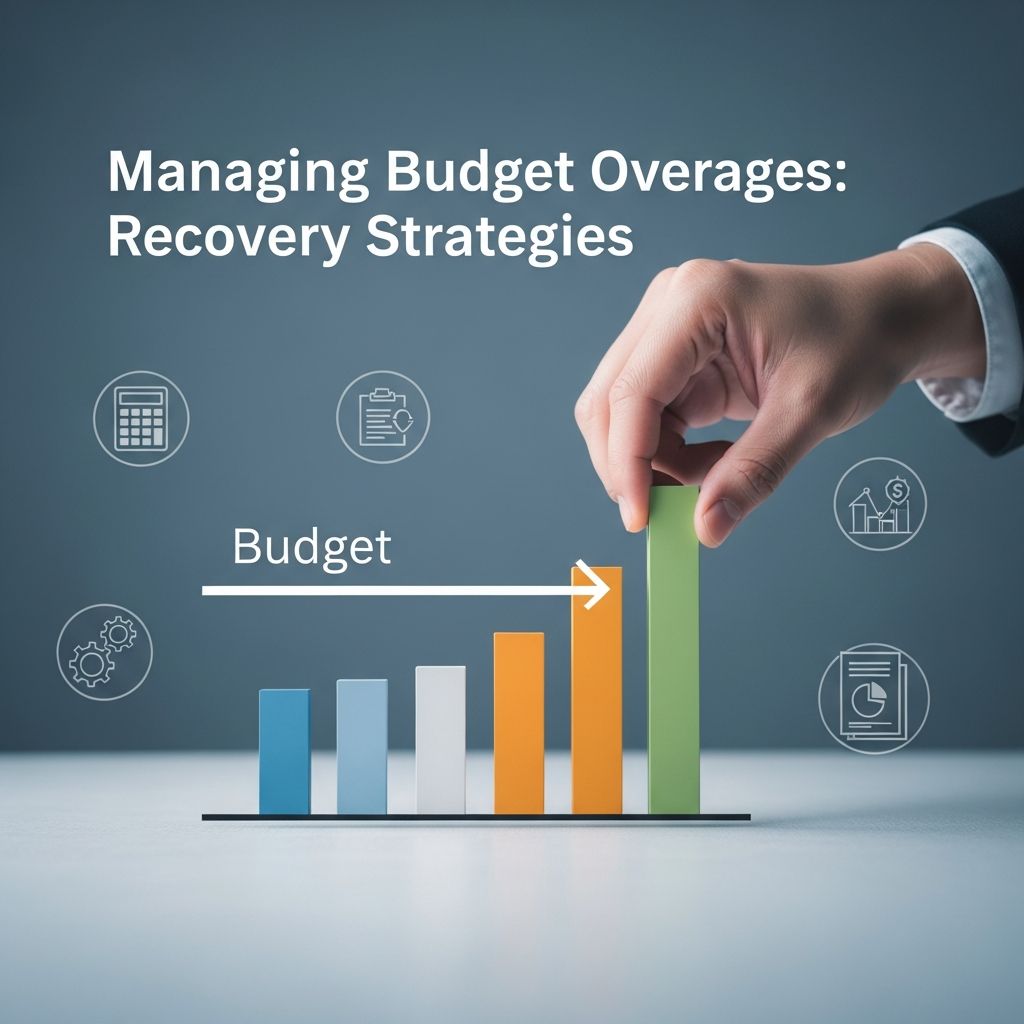
Financial management requires constant vigilance, and one of the most common challenges individuals face is exceeding their monthly budget. Whether due to unexpected expenses, impulsive purchases, or gradual lifestyle creep, overspending can derail even the most carefully planned financial strategy. Understanding how to address budget overages and implement corrective measures is essential for maintaining long-term financial health and achieving your monetary goals.
Understanding Why Budget Overages Occur
Budget overages rarely happen by accident. They typically result from a combination of factors that compound over time. The first major culprit is inadequate expense tracking. When individuals fail to monitor their spending regularly, small expenditures accumulate without notice until they suddenly realize they’ve exceeded their limits. This phenomenon occurs because many people underestimate how frequently they make minor purchases, treating them as insignificant when they actually add substantial amounts across a month.
Another significant cause involves setting unrealistic budget parameters from the outset. If your financial plan doesn’t align with your actual lifestyle and spending patterns, you’ll inevitably overspend when facing real-world situations. For example, allocating minimal funds for groceries while having a family of five will lead to consistent overages. Similarly, underestimating variable expenses like utilities or transportation costs creates gaps between planned and actual spending.
Unexpected emergencies also contribute substantially to budget overages. Medical bills, vehicle repairs, or home maintenance issues arise without warning and force immediate expenditure, disrupting carefully balanced budgets. Additionally, impulse purchasing and emotional spending represent psychological drivers that push people beyond their financial boundaries, particularly during periods of stress or after receiving windfalls.
Immediate Steps After Exceeding Your Budget
When you discover that you’ve exceeded your budget, the initial response significantly influences your ability to recover. The first action involves honest assessment rather than denial. Review your spending in detail to identify exactly where the overage occurred. This transparency provides crucial information for preventing future occurrences and helps you understand whether the excess resulted from a one-time event or reflects ongoing spending patterns.
Next, determine whether the overage stems from essential or discretionary expenses. If you exceeded your budget on necessities like utilities or groceries, you may need to adjust your budget categories upward to reflect reality. However, if discretionary spending caused the problem, you have clear opportunities for correction. This distinction shapes your recovery strategy and determines whether the issue involves budget miscalibration or behavioral adjustment.
Document your findings in writing. Creating a simple list of overage expenses helps prevent future rationalization and provides reference material for preventing similar situations. This documentation also becomes valuable when reviewing your budget during regular check-ins, allowing you to identify patterns across multiple months.
Short-Term Recovery Strategies
After identifying your budget overage, implementing immediate corrective measures helps limit damage to your financial goals. One effective approach involves redirecting funds from non-essential categories during the following period. If you overspent on entertainment, reduce that allocation in your next budget cycle and redirect the savings toward debt repayment or emergency reserves.
Another practical strategy involves implementing a spending freeze on discretionary purchases for a defined period. This temporary halt on non-essential spending allows you to compensate for the overage without requiring major lifestyle adjustments. A spending freeze might last one to four weeks, depending on the overage magnitude, and helps reset your mindset around consumption while rebuilding depleted reserves.
Consider temporarily reducing or pausing contributions to savings or investment accounts if absolutely necessary. While this decision requires careful consideration because it conflicts with wealth-building principles, it may prove necessary to prevent accumulating debt. However, this should remain a last resort, implemented only when other options prove insufficient.
Accelerating payment of any bills you can expedite also helps offset overages. If you’ve overspent on discretionary items, paying off credit card balances faster reduces interest accumulation and demonstrates commitment to financial recovery. This approach shows tangible progress toward correcting the problem.
Identifying and Eliminating Spending Leaks
Spending leaks represent ongoing expenses that provide minimal value but consistently drain your budget. Common culprits include unused subscription services, redundant insurance policies, premium versions of free services, and habitual small purchases at convenience locations. Identifying these leaks often requires reviewing bank and credit card statements with fresh perspective.
Creating a systematic approach to finding spending leaks involves categorizing all monthly expenses and questioning each one. Ask yourself whether each expense provides genuine value aligned with your priorities. Subscription services deserve particular attention since they often auto-renew without active use. Audit your subscriptions monthly and cancel anything unused for more than two months.
Once identified, eliminating spending leaks provides immediate budget relief without requiring sacrifice of genuinely valued expenses. This targeted approach typically generates twenty to fifty dollars monthly for many individuals, with potential for greater savings depending on personal circumstances. The advantage of addressing spending leaks involves making cuts that don’t significantly impact quality of life.
Common Spending Leak Categories
- Streaming services and entertainment subscriptions
- Unused gym memberships or wellness programs
- Premium or upgraded versions of apps
- Duplicate insurance coverage or overlapping policies
- Unmonitored food delivery service charges
- Magazine or publication subscriptions
- Unused storage units or services
Restructuring Your Budget Framework
Sometimes budget overages signal that your original plan doesn’t match reality. Rather than continuing to fight against unsustainable constraints, restructuring your budget framework creates a more honest and maintainable financial plan. This process begins by examining which categories consistently exceed allocations and why.
For categories that regularly overshoot, increase the allocation to realistic levels based on actual historical spending. This doesn’t mean surrendering to unlimited spending; rather, it means creating targets you can actually achieve. When budget allocations feel impossible to maintain, you’ll eventually abandon the entire budget rather than just adjust specific categories.
Consider implementing the 50/30/20 budgeting framework, which allocates fifty percent of after-tax income toward necessities, thirty percent toward discretionary wants, and twenty percent toward savings and debt repayment. This proportional approach provides flexibility while maintaining clear financial priorities. If twenty percent savings feels unattainable currently, a temporary adjustment to fifteen percent proves better than unrealistic targets that breed frustration.
Alternatively, explore zero-based budgeting methods where every dollar receives a specific purpose before spending occurs. This approach forces intentional decision-making and eliminates mindless spending. Beginning your month by allocating funds to categories—including savings, which you pay to yourself first—ensures your spending aligns with actual priorities rather than defaulting to habitual patterns.
Prevention Through Enhanced Tracking Systems
Preventing future budget overages requires implementing tracking systems that actually work within your life. Many people abandon budgets because tracking methods prove too complicated or time-consuming. Effective tracking must be simple enough for consistent use yet detailed enough to provide meaningful information.
Weekly spending reviews represent one of the most effective prevention strategies. A brief fifteen-minute weekly check comparing planned versus actual spending identifies problems early before they compound into major overages. This regular cadence prevents the common scenario where overspending goes unnoticed until month-end.
Digital budgeting applications automate much of this tracking burden. Many banking institutions and financial technology companies offer free or low-cost tools that categorize expenses automatically and alert users when approaching category limits. Automation reduces the mental energy required for tracking while improving accuracy compared to manual methods.
The envelope system provides a tactile alternative for those who respond better to physical methods. Allocating cash into labeled envelopes for each spending category creates a hard limit—when an envelope empties, spending in that category stops. This method works particularly well for people with impulse spending tendencies since the physical limitation prevents exceeding allocations through various payment methods.
Behavioral Adjustments for Long-Term Success
Beyond structural budget changes, addressing the behavioral components of overspending creates lasting improvement. Impulse purchasing often reflects emotional states rather than genuine needs. Implementing a waiting period before discretionary purchases helps distinguish between wants and needs. Waiting even twenty-four hours before non-essential purchases reduces buying rates significantly as initial emotional drivers fade.
Meal planning represents a particularly effective behavioral adjustment, especially for grocery spending which commonly exceeds allocations. Planning meals in advance and shopping exclusively from prepared lists prevents the common trap of impulse purchases and food waste. This strategic approach to meal management typically reduces grocery expenses by ten to twenty percent while potentially improving eating habits.
Building strong financial awareness through regular budget reviews creates psychological accountability. Monthly reviews comparing planned to actual spending increase consciousness about spending patterns and reinforce the connection between budgeting and personal values. This regular touchpoint prevents the drift that gradually leads to budget overages.
Celebrating budget successes, even small ones, reinforces positive financial behaviors. Acknowledging months where you stayed within budget or successfully eliminated a spending leak builds motivation for continued effort. Positive reinforcement proves more sustainable than constant criticism for overspending.
Using Overages as Learning Opportunities
Each budget overage provides valuable information for improving your financial management. Rather than viewing overages as failures, reframe them as diagnostic tools revealing misalignments between your budget and reality. Analyzing patterns in overages—whether they concentrate in specific categories, cluster around particular times of month, or follow certain triggers—illuminates the root causes requiring attention.
Quarterly budget reviews provide appropriate intervals for incorporating lessons from overages. During these reviews, analyze whether recent overages stemmed from one-time events or reflect ongoing patterns requiring permanent budget adjustments. This regular evaluation prevents the stagnant approach where budgets remain unchanged despite changing circumstances.
Consider maintaining a spending journal that notes not just amounts but circumstances surrounding purchases. Recording whether you were tired, stressed, celebrating, or shopping without a list reveals behavioral patterns that contribute to overspending. These insights enable targeted interventions addressing root causes rather than just symptoms.
Building Emergency Reserves to Absorb Overages
While preventing overages remains important, building emergency reserves provides crucial protection when budget disruptions occur. An emergency fund covering three to six months of essential expenses prevents overspending from derailing financial stability when unexpected costs arise.
Begin building emergency reserves through consistent, automated transfers to dedicated savings accounts separate from regular checking. Even small amounts—fifty to one hundred dollars per paycheck—accumulate meaningfully over time. Automation ensures consistent contributions despite competing financial demands.
Once emergency reserves reach three thousand to five thousand dollars, budget overages become manageable rather than crisis-inducing. This cushion allows you to address overspending through subsequent savings redirection rather than debt accumulation, preserving your long-term financial health.
FAQ Section
Frequently Asked Questions
How should I handle budget overages caused by legitimate emergencies?
Emergency overages require different treatment than discretionary overspending. If legitimate emergencies caused your overage, acknowledge this situation rather than applying standard correction strategies. Instead, focus on rebuilding depleted emergency reserves through subsequent budgets once the emergency resolves. Simultaneously, ensure your budget includes a small emergency category for anticipated but unpredictable expenses like vehicle maintenance or medical copays.
Should I adjust my budget upward if I consistently overspend in certain categories?
Consistent overages in specific categories often indicate your original allocation didn’t reflect reality. Increasing allocations to match actual spending patterns creates a more sustainable budget you can maintain long-term. However, before increasing, verify whether the overspending stems from genuine need increases or controllable behavioral factors. If controllable factors drive overages, address behaviors first before adjusting allocations.
How can I motivate myself to stick to budget corrections after overspending?
Motivation typically wanes when budget constraints feel punitive. Instead, frame corrections as temporary adjustments supporting long-term goals you genuinely value. Remind yourself specifically what the budget enables—whether that’s saving for a vacation, paying off debt, or achieving financial independence. Connecting immediate sacrifices to meaningful long-term outcomes sustains motivation through correction periods.
What budgeting method works best for preventing overages?
The best budgeting method depends on your personality and spending patterns. Simple approaches like the 50/30/20 rule work well for those preferring straightforward frameworks. Zero-based budgeting suits individuals who benefit from detailed control over every dollar. The envelope system benefits those responding to physical constraints. Experiment with different methods to identify which creates the most sustainable results in your life.
Creating Your Recovery Timeline
Recovering from budget overages works best when structured across manageable timeframes. Immediate actions within the first week should include identifying spending sources and implementing quick fixes like freezes on discretionary spending. Short-term recovery over two to four weeks involves redirecting funds and eliminating identified spending leaks. Medium-term adjustments spanning one to three months allow restructuring your budget framework and implementing enhanced tracking systems. Finally, long-term prevention strategies operating indefinitely establish sustainable habits ensuring overages become rare exceptions rather than regular occurrences.
This graduated approach prevents overwhelm while establishing momentum. Rather than attempting wholesale life changes immediately, methodical adjustments compound into substantial improvements over time. Each completed recovery phase builds confidence and capability for addressing subsequent financial challenges.
References
- Effective Budgeting Strategies That Really Work — Financial Synergies. 2024. https://www.finsyn.com/effective-budgeting-strategies-that-really-work-for-you/
- 4 Budgeting Strategies: Which One is Right for You? — Citizens Bank. 2024. https://www.citizensbank.com/learning/budgeting-strategies.aspx
- 11 Ways to Stick to Your Budget and Jump Start Your Savings — Valley First. 2024. https://www.valleyfirst.com/simple-advice/money/ways-to-stick-to-your-budget
- Making a Budget — Consumer.gov. U.S. Consumer Financial Protection Bureau. 2024. https://consumer.gov/your-money/making-budget
Similar Articles








Read full bio of Sneha Tete