Managing Bounced Checks: Prevention and Recovery
Learn how to handle bounced checks and protect your finances from costly fees
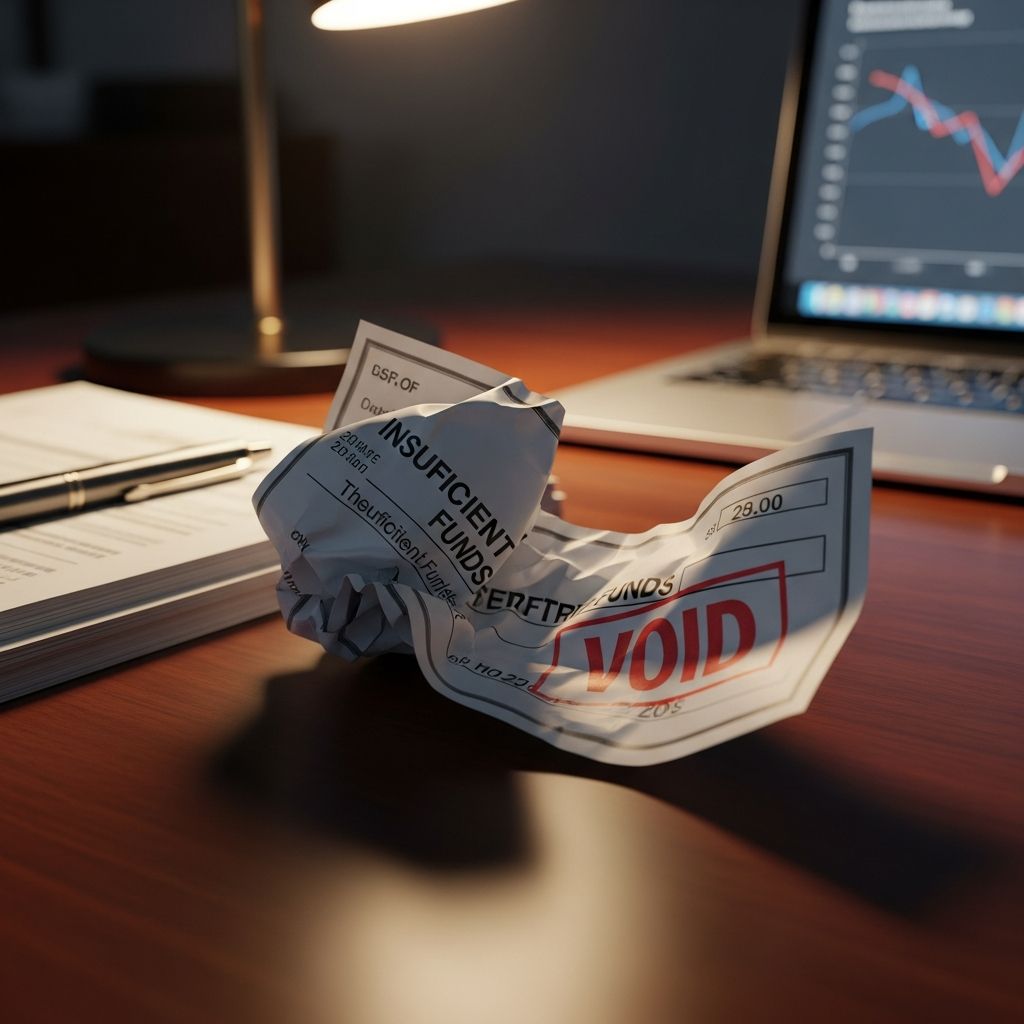
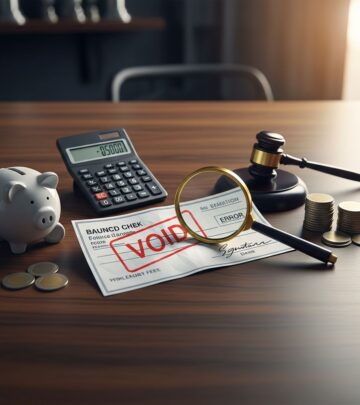
A bounced check represents one of the most common banking complications that individuals and businesses face. When a check is returned due to insufficient funds or other issues, it creates a cascade of problems including bank fees, damaged relationships, and potential credit impacts. Understanding the mechanics of bounced checks, the consequences that follow, and the recovery options available can help you navigate this situation effectively and avoid repeating the mistake.
Understanding Why Checks Bounce
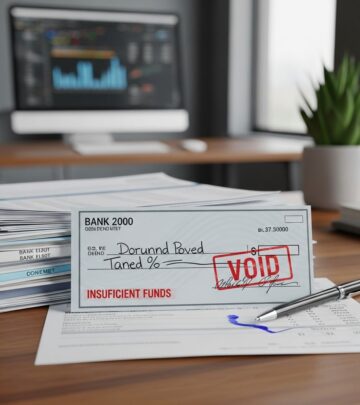
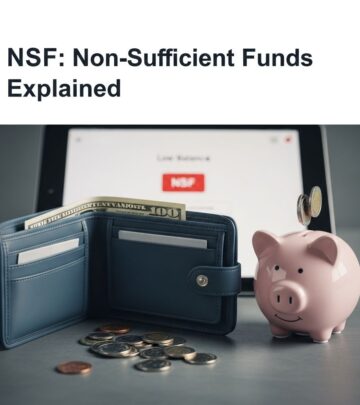
Checks fail to clear for several distinct reasons, each with different implications for the account holder. The primary cause is straightforward: the checking account simply lacks sufficient funds to cover the check amount. When you write a check for more money than your account balance, the bank returns it unpaid, triggering nonsufficient funds (NSF) fees.
Beyond inadequate funds, other factors can cause checks to bounce. If the account holder has closed their checking account since writing the check, the bank will reject any attempts to cash it. Similarly, checks have an expiration date; banks typically honor checks for six months from the date written, after which they may refuse payment. Additionally, fraudulent checks—whether stolen or issued with intent to deceive—will be rejected when the bank detects suspicious activity or when the issuer knowingly lacks funds.
Understanding these various causes helps both check writers and recipients take appropriate action. For writers, it highlights the importance of maintaining accurate account records. For recipients, it explains why redepositing a check might work if the original bounce was due to timing rather than permanent account closure.
The Timeline for Check Processing and Discovery
The process of check clearing takes longer than many people realize. Banks typically use the Federal Reserve as an intermediary when verifying funds between financial institutions, a process that spans several days. This delay means you won’t immediately know whether a check will clear after depositing it.
Federal banking regulations require banks to make funds available quickly despite the lengthy verification process. Specifically, banks must allow you to access up to $225 of deposited check funds by the next business day, even though the full clearing process may take considerably longer. This creates a window where you might spend money that hasn’t technically cleared yet.
If you deposit a check and immediately withdraw or spend the funds, only to discover days later that the check bounced, you become responsible for both the returned check fees and the full check amount. This is why financial advisors recommend waiting up to five business days before relying on deposited check funds, particularly when dealing with larger amounts or unfamiliar payees.
Consequences When You Write a Bounced Check
Writing a check that bounces triggers immediate financial penalties. Your bank typically charges a nonsufficient funds fee or overdraft fee, which can range from $25 to $35 or more depending on your financial institution. If the bounced check was a payment to a business or service provider, that recipient may also assess a returned check fee, adding to your costs.
The financial impact extends beyond fees. If the bounced check represented a payment that was now late, the creditor or service provider can charge late fees. Your account becomes at risk of further action if you don’t promptly address these accumulated charges. When fees remain unpaid, your account may eventually be reported to collections agencies, creating a more serious problem that affects your credit profile and relationship with your bank.
Beyond immediate financial consequences, repeated bounced checks can harm your banking relationship. Banks may close your account or report your behavior to ChexSystems, a banking history tracking system that makes it difficult to open new accounts at other institutions. Some banks also offer overdraft protection solutions, but these must be arranged proactively before problems occur.
Consequences When You Receive a Bounced Check
Being on the receiving end of a bounced check creates different but equally frustrating challenges. The funds you expected to receive remain unavailable, potentially making it harder to cover your own financial obligations. Your bank may charge you a returned check fee for processing the rejected deposit, adding insult to injury.
Beyond the immediate financial impact, receiving a bounced check creates uncertainty. You may question whether the check writer has genuine financial difficulties or whether they wrote the check knowing it would bounce. This loss of trust can complicate personal relationships or business dealings. If this was a business payment you relied upon, the delay can disrupt your cash flow and force you to juggle other obligations.
Steps to Recover from Writing a Bounced Check
If you’ve written a check that bounced, swift action minimizes the damage. Your first priority should be addressing the fees with your bank. Contact your financial institution and ask about fee reversal options, particularly if this is your first bounced check. Many banks will waive fees for customers with otherwise good standing, especially if you proactively reach out.
Next, immediately contact the person or business that received your bounced check. Explain the situation honestly and provide a specific timeline for when you can provide replacement payment. Offering alternative payment methods such as a certified check, cashier’s check, or electronic transfer demonstrates your commitment to resolving the issue and helps rebuild trust.
Examine your banking habits to identify what caused the bounce. Did you fail to record a recent transaction? Did unexpected expenses deplete your account? Understanding the root cause allows you to implement changes that prevent recurrence. Consider setting up account balance notifications through your bank’s mobile app so you receive alerts when your balance drops below a certain threshold.
If the bounced check resulted in you missing another important payment, monitor your credit reports carefully over the following months. A single bounced check shouldn’t directly damage your credit score unless it leads to a missed payment on a credit obligation, but vigilance protects you from complications.
Steps to Recover Money from a Bounced Check You Received
When someone else’s bounced check affects you, take a structured approach to recovery. Your first action should be contacting the check writer directly. In many cases, they may not even be aware the check bounced. A simple phone call to explain the situation and request immediate payment often resolves matters without further escalation. If they indicate funds are now available, ask if you can redeposit the original check, or suggest they provide payment through an alternative method.
Contact the issuing bank to confirm why the check was rejected and whether the situation has changed. This conversation may reveal that the account now has sufficient funds, making redeposition viable. The bank can also clarify whether the account was closed or if other issues prevent payment.
If informal communication doesn’t result in payment, escalate to a formal demand letter. Send a certified mail letter that includes the check amount, the date it was written, and any fees you incurred from your own bank. This documentation creates a paper trail valuable if you eventually pursue legal action. Sample demand letter templates are readily available online to guide your writing.
For persistent non-payment, consider involving local law enforcement or your district attorney’s office, as writing bad checks with intent to defraud is illegal in most jurisdictions. In extreme situations, hiring a collection agency or pursuing small claims court action may be necessary to recover your funds.
Prevention Strategies to Avoid Future Bounces
The most effective approach to bounced checks is prevention. Maintain an accurate record of your checking account balance by regularly reviewing transactions through your bank’s mobile application or online portal. Many banks provide real-time balance updates, eliminating guesswork about available funds.
Consider adopting budgeting applications that integrate with your bank account and provide comprehensive tracking of income and expenses. These tools alert you when spending approaches or exceeds your budget, preventing the overdrafts that cause bounced checks.
Modern payment alternatives offer superior safety compared to traditional checks. Peer-to-peer payment applications such as Zelle or Cash App display your live account balance at the moment you send funds, ensuring you only transfer money you actually have available. These apps also provide instant confirmation of receipt, eliminating the processing delays and uncertainty associated with checks.
If you must accept check payments, request certified checks, cashier’s checks, or money orders instead of personal checks. These guaranteed payment instruments come backed by the bank or issuing institution, virtually eliminating bounce risk. While the check writer may balk at the extra step and cost, it protects you from the complications of bad checks.
For those who write checks regularly, enrolling in overdraft protection through your bank provides a safety net. Two common options are available: an overdraft line of credit that automatically activates when your account runs short, and overdraft protection transfers that automatically move funds from a linked savings account into your checking account. These solutions prevent bounces and typically charge lower fees than NSF charges.
Navigating Legal and Banking System Considerations
The legal framework governing bounced checks varies by state, affecting what recovery steps are available and what penalties may apply. Some states impose criminal penalties for writing bad checks with intent to defraud, while others focus primarily on civil remedies. Understanding your state’s specific regulations helps you pursue appropriate recovery actions without overstepping legal boundaries.
Banking agencies like ChexSystems track banking history and can flag customers with patterns of returned checks. If you receive multiple bad checks from the same source, documenting each incident helps when reporting the pattern to relevant authorities or collection agencies.
Speed matters significantly in bad check recovery. The longer you wait to take action, the harder it becomes to collect. Address the situation within days of discovering the bounce rather than weeks or months later, as the check writer’s financial situation may deteriorate and your evidence becomes stale.
Practical Recovery Workflow for Businesses
Businesses that frequently receive checks should implement a systematic workflow for handling bounces. Log every returned payment with detailed information including the check number, amount, date, and reason for return. This documentation demonstrates compliance with regulations and provides essential information for potential legal proceedings.
Establish clear escalation pathways: begin with a simple phone call, escalate to written demand letter, then consider collection agency involvement or small claims court based on the amount and circumstances. Track recovery metrics including the percentage of bounced check value actually collected and the average time required for recovery. This data helps you refine strategies and allocate resources more effectively.
Special Considerations for Older Checks
Checks have a limited lifespan. Banks typically stop honoring checks six months after the date written. If you’re holding an older check, contact the issuer and request a replacement rather than attempting to deposit the aged check. The issuer may not even recall writing the original check, so a direct request for reissuance is often the fastest solution.
Key Takeaways and Moving Forward
Bounced checks create complications for both writers and recipients, but understanding the mechanics and available remedies puts you in control. If you wrote a bounced check, address fees promptly, contact the recipient immediately, and implement systems to prevent recurrence. If you received a bounced check, document everything, start with direct communication, and escalate through formal channels if necessary.
The broader lesson is that modern alternatives to checks—electronic transfers, certified funds, and digital payment apps—offer substantially lower risk and faster resolution. As society moves toward cashless and checkless transactions, relying less on traditional checks eliminates the entire category of bounce-related problems. For those who continue writing or accepting checks, vigilant balance monitoring and prompt action when problems occur protect your financial health and relationships.
References
- How You Can Recover From a Bounced Check — Experian. https://www.experian.com/blogs/ask-experian/how-to-recover-from-bounced-check/
- What to Do After a Bounced Check — General Electric Credit Union. https://www.gecreditunion.org/learn/education/resources/money-minutes/august-2021/how-to-bounce-back-after-a-bounced-check
- How To Recover And Collect Money From Bad Checks — Tratta. https://www.tratta.io/blog/how-to-collect-on-bad-checks
- So Your Customer Wrote You a Bad Check — Now What? — Brown & Joseph, LLC. https://brownandjoseph.com/blog/bad-check/
- Bounced Checks: A Comprehensive Guide — Fair Capital. https://www.thefaircapital.com/post/bounced-checks-a-comprehensive-guide
Similar Articles








Read full bio of medha deb