Managing Your Bank Balance: Complete Guide to Modern Banking
Discover practical strategies to monitor and manage your financial account with modern banking tools
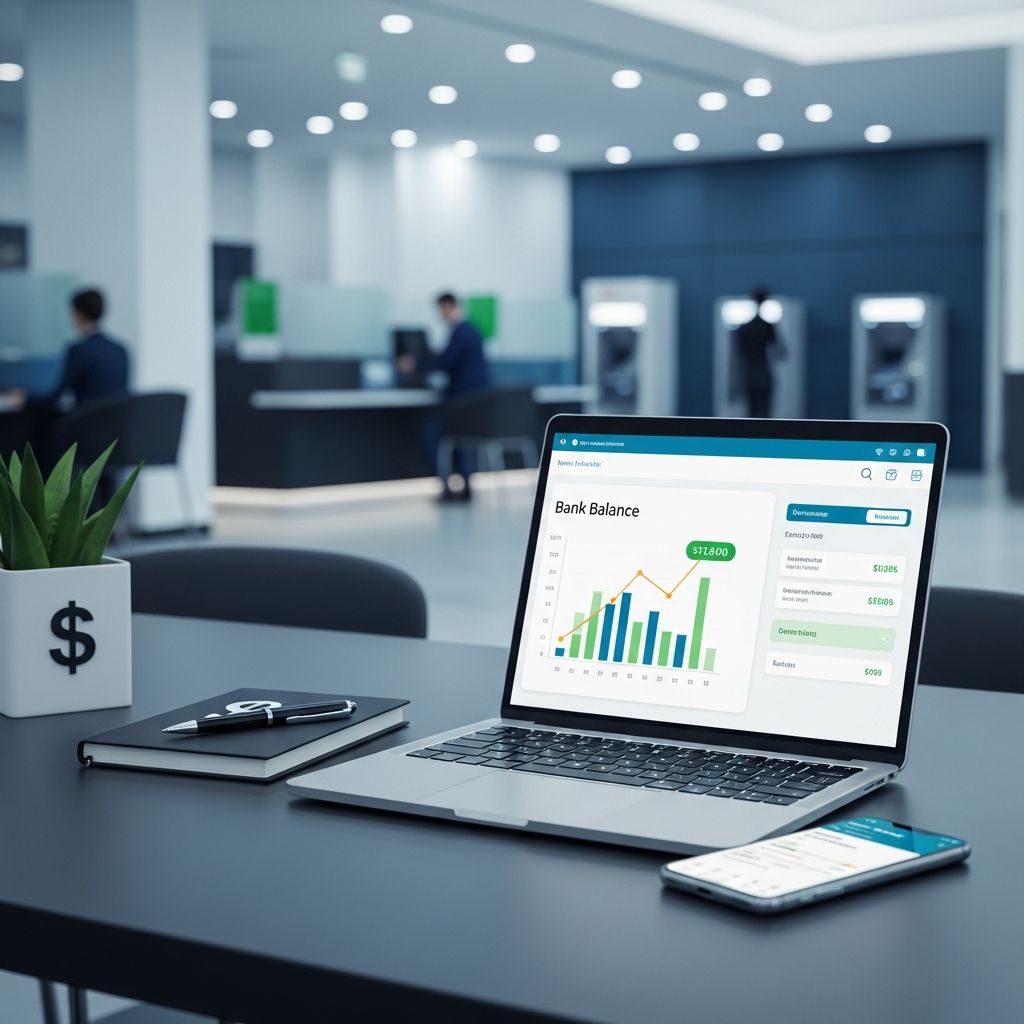
Understanding your financial position is fundamental to responsible money management. Whether you’re planning monthly expenses, tracking spending patterns, or ensuring you have sufficient funds, knowing your bank account balance is essential. With advances in banking technology and traditional services still available, you have numerous options to access this crucial information whenever and wherever you need it. This comprehensive guide explores the various methods available to help you stay informed about your financial status.
Understanding Balance Types Before You Check
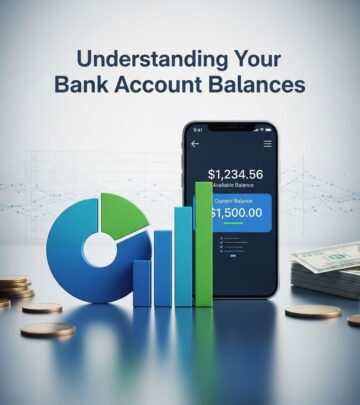
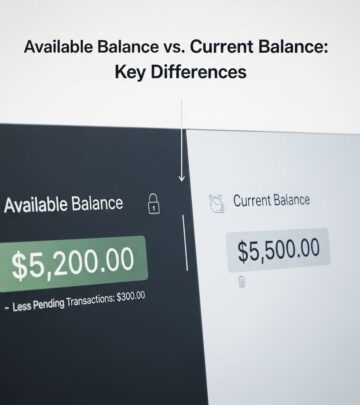
Before exploring how to access your balance, it’s important to understand that financial institutions typically present two distinct figures that can differ significantly. Your current balance represents the total amount of money in your account, including all pending transactions that haven’t fully processed yet. This number reflects deposits and withdrawals that are in progress. Conversely, your available balance shows only the funds you can immediately withdraw or spend without waiting for transactions to clear. This distinction matters considerably when making financial decisions, as spending more than your available balance—even if your current balance appears sufficient—can result in overdraft fees and account complications.
Digital Solutions for Real-Time Account Access
Website-Based Banking Platforms
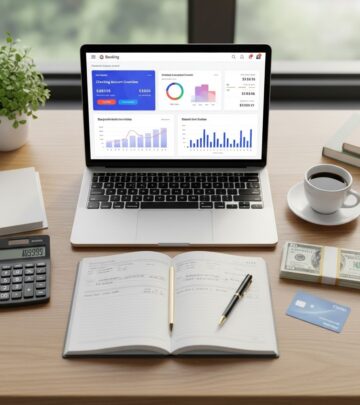
The foundation of modern banking accessibility rests on secure online platforms operated by virtually every financial institution. To utilize this method, you’ll first need to establish online banking access through your bank’s official website. This process typically requires registering with your account information and creating unique login credentials. Once activated, logging into your account grants you access to a comprehensive dashboard displaying all your accounts and balances. Most banks organize this information intuitively, allowing you to select any specific account and view not only your current balance but also recent transaction histories, pending items, and other account details. This method offers several advantages: it’s completely free, accessible 24/7 from any internet-connected device, provides real-time information, and often includes additional features like transaction categorization and spending analytics. Banks such as Citi and Huntington have streamlined these platforms to minimize the steps required to view your balance information immediately upon login.
Smartphone Banking Applications
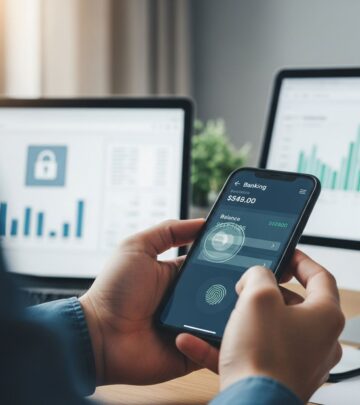
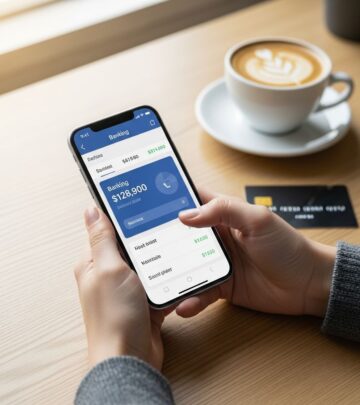
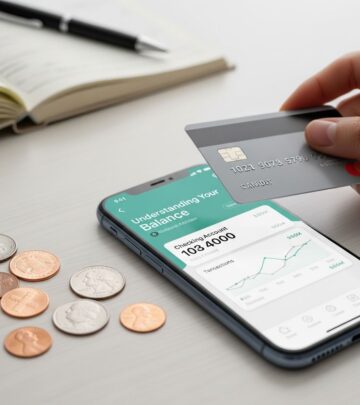
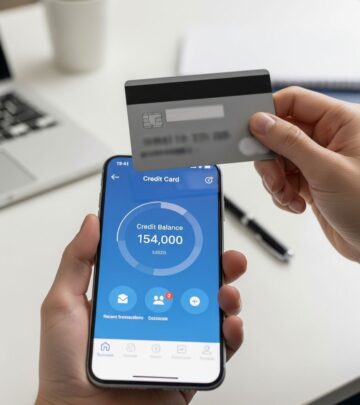
Mobile banking applications have revolutionized how people manage their finances by bringing banking services directly to their smartphones. After downloading your bank’s official app and logging in with your credentials, you’ll typically see your account balance prominently displayed on the home screen or within an easily accessible account details section. Many institutions now incorporate advanced security measures such as biometric authentication—using your fingerprint or facial recognition—or one-time codes sent via text message to verify your identity. Beyond simple balance checking, these apps frequently offer features including mobile check deposits, bill payment capabilities, transaction notifications, and customizable alerts. Some apps provide sophisticated features like account snapshots that display your balance without requiring full login each time, streamlining the experience for users who check their balance frequently throughout the day. The convenience factor is substantial: you can monitor your finances during your commute, at work, or while traveling, making it nearly impossible to lose track of your financial position.
Physical and Traditional Access Methods
Automated Teller Machine Transactions
Automated Teller Machines (ATMs) remain a reliable method for accessing balance information, particularly valuable when you’re already away from home and need immediate answers. The process is straightforward: insert your debit or ATM card, enter your personal identification number, and select the balance inquiry option from the menu. The machine displays your current balance on the screen and typically offers to print a receipt documenting the transaction. While ATMs provide unparalleled convenience and operate around the clock, it’s important to note that some institutions charge fees for balance inquiries at machines outside their network. Understanding your bank’s ATM fee structure can help you strategically use this service while minimizing unnecessary charges. Many banks offer extensive ATM networks, though credit unions may provide access through shared branching networks, expanding your options.
Telephone Banking Services
For those preferring voice-based communication or lacking immediate internet access, telephone banking presents a viable alternative. Your bank’s customer service number appears on your debit card and on their official website under contact information. When you call, automated systems guide you through accessing your balance information by entering your account number and PIN, or you can speak with a live representative during business hours. This method proves particularly valuable when you have questions beyond simple balance checking or need assistance with account-related concerns. Many banks operate 24/7 automated systems, ensuring you can access information at any time, though speaking with a representative may require calling during standard business hours. This approach works well for individuals who aren’t technologically inclined or who prefer personal interaction.
In-Branch Consultation with Banking Professionals
Visiting a physical bank branch and speaking with a teller remains a legitimate method for checking your balance, especially when you have related questions or concerns. After providing identification and your account details, a teller can provide your balance information while also offering guidance on account management, fee structures, or other banking services. This personalized approach requires more time than digital methods but provides valuable opportunities for comprehensive financial discussions with trained professionals. It’s particularly useful if you’re considering opening new accounts, need to discuss account features, or prefer face-to-face interactions for important financial matters.
Alternative Notification Systems
Automated Balance Alerts
Rather than actively checking your balance, many banks allow you to receive automatic notifications about your account status. Through your online banking portal, you can typically customize alerts that notify you via text message, email, or app push notification. Common alert options include daily balance summaries, notifications when your balance falls below a specified threshold, alerts for large transactions, or reminders about upcoming payment due dates. These proactive notifications help prevent overdrafts and ensure you’re always aware of significant account activity, even without manually checking your balance regularly. This system is particularly valuable for individuals managing multiple accounts or those who want to maintain strict spending discipline.
Monthly Statement Reviews
Bank statements, whether delivered by mail or accessed online, provide a comprehensive record of your account activity during a specific period. Your statement shows your balance at the period’s end, all transactions that posted during that timeframe, pending items, and applicable fees or interest earned. While statements aren’t ideal for real-time balance checking, they offer valuable perspectives on your spending patterns, help verify all transactions are accurate, and provide documentation for record-keeping and tax purposes. Many institutions now encourage online statement delivery, allowing you to access multiple years of statements through your online banking portal.
Choosing the Right Method for Your Needs
| Method | Real-Time Information | Convenience | Cost | Best For |
|---|---|---|---|---|
| Online Banking | Yes | High (24/7 access) | Free | Daily monitoring |
| Mobile App | Yes | Very High (on-the-go) | Free | Frequent checks |
| ATM | Yes | High (immediate access) | Potentially charged | When already withdrawing |
| Telephone | Yes | Medium (requires calling) | Free | No internet access |
| In-Branch | Yes | Low (time-consuming) | Free | Complex questions |
| Balance Alerts | Proactive notifications | High (automatic) | Free | Overdraft prevention |
| Monthly Statements | Period-end snapshot | Medium (scheduled) | Free | Record-keeping |
Best Practices for Balance Management
Regardless of which method you choose, establishing regular balance-checking habits contributes significantly to financial health. Checking your balance at least weekly helps you remain aware of your spending patterns, identify unauthorized transactions quickly, and avoid accidental overdrafts. For individuals with variable income or multiple accounts, more frequent checking ensures accurate financial awareness. Combining methods—perhaps daily app checks combined with weekly online reviews and monthly statement analysis—creates a comprehensive financial picture. Understanding the difference between current and available balances prevents the costly mistake of assuming you can spend more than you actually have available.
Security Considerations When Checking Your Balance
When accessing your balance through any channel, maintaining security practices protects against fraud and unauthorized access. For digital methods, use strong, unique passwords and never share login credentials with anyone. Enable available security features like two-factor authentication. When using ATMs, shield the keypad while entering your PIN and be aware of your surroundings. On public WiFi networks, avoid checking sensitive banking information. Banks employ encryption and security protocols to protect your data, but you remain responsible for your login credentials and device security. If you notice unauthorized transactions or suspicious activity, contact your bank immediately through official channels.
Frequently Asked Questions
Can I check my balance without logging in?
Some banks offer limited balance access without full login through features like account snapshots or balance-only views that require minimal verification. However, full account access typically requires authentication for security purposes.
Why is my available balance different from my current balance?
Your current balance includes all pending transactions not yet processed by the bank, while available balance excludes these pending items, showing only funds you can immediately access. This difference resolves once pending transactions fully process.
Are there charges for checking my balance?
Online banking, mobile apps, telephone banking, and in-branch inquiries are free. ATM balance inquiries may incur fees at out-of-network machines, depending on your bank’s policies.
How often should I check my balance?
Regular checking—at least weekly—helps prevent overdrafts and identifies fraud quickly. Frequent checkers may use daily checks via mobile apps, while others prefer weekly online reviews.
What should I do if my balance seems incorrect?
Review recent transactions, check for pending items, and contact your bank to discuss discrepancies. Your statement provides a comprehensive record for verification.
Conclusion
Modern banking provides unprecedented access to your financial information through multiple convenient channels. Whether you prefer digital platforms for instant access, traditional methods for personal interaction, or automated alerts for passive monitoring, banks accommodate diverse preferences and needs. The optimal approach combines methods suited to your lifestyle and financial situation, ensuring you maintain constant awareness of your account status. By understanding available options and establishing regular checking habits, you take control of your financial health and prevent costly mistakes like overdrafts. Your bank account balance is valuable information—with today’s technology, accessing it has never been easier or more convenient.
References
- How to Check Your Bank Account Balance — The Muse. Accessed 2026. https://www.themuse.com/advice/how-to-check-your-bank-account-balance
- How to Check Your Checking Account Balance — Citi Personal Banking Guide. Accessed 2026. https://www.citi.com/banking/personal-banking-guide/basic-finance/how-to-check-checking-account-balance
- How to Check Your Bank Account Balance — Experian Ask Experian Blog. Accessed 2026. https://www.experian.com/blogs/ask-experian/how-to-check-bank-account-balance/
- How to Check My Bank Account Balance — Huntington Bank Learning Center. Accessed 2026. https://www.huntington.com/learn/checking-basics/account-balance
Similar Articles








Read full bio of medha deb