Managing Address Changes on Your Credit File
Learn how to properly update your address information across all credit bureaus and lenders
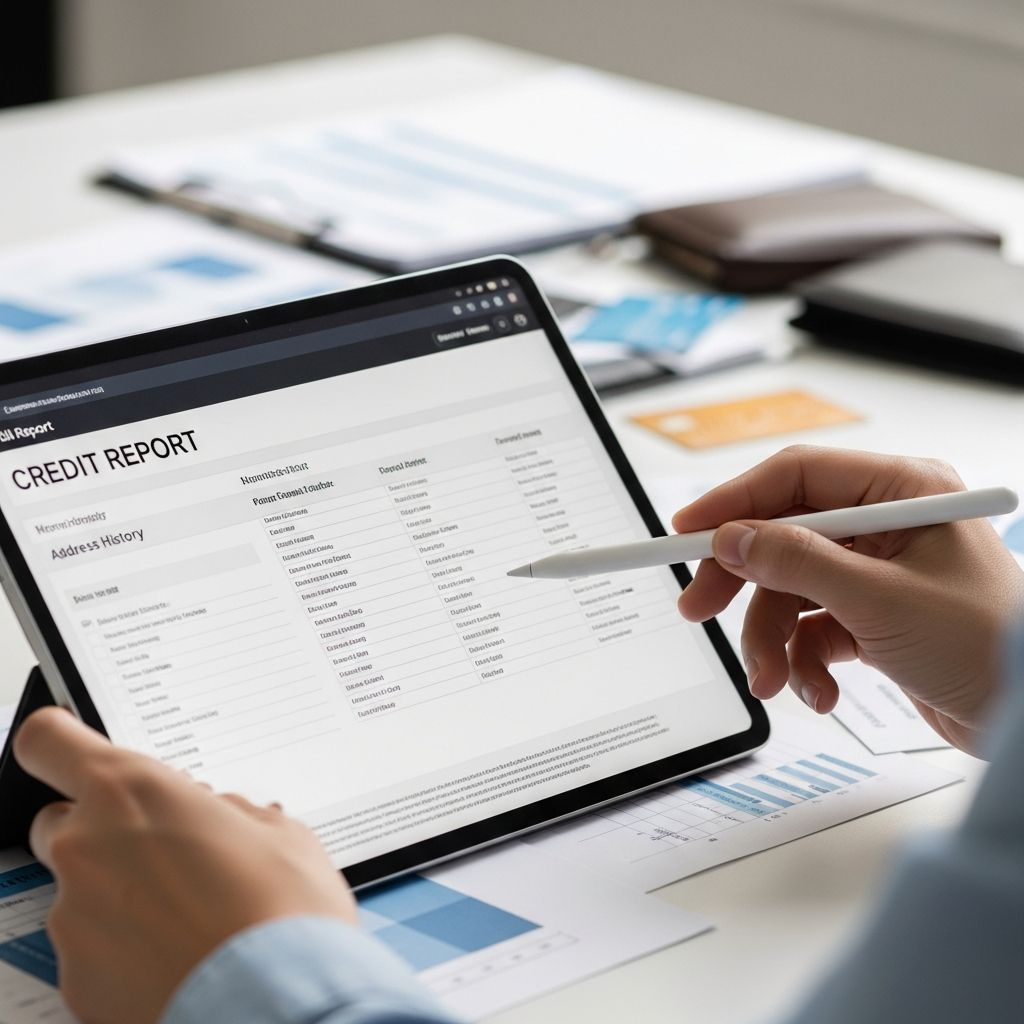
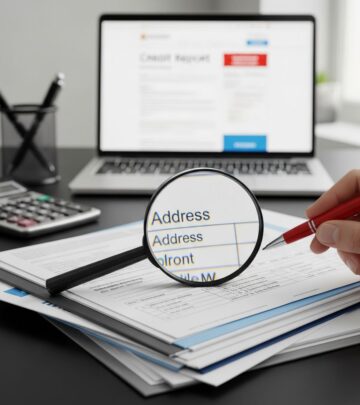
Your residential address is a key component of your credit profile, serving as identifying information that credit bureaus use to maintain and organize your financial records. When you relocate, it’s natural to wonder whether you need to take specific steps to update this information across your credit files. Understanding the mechanics of address updates, the timeline involved, and the distinction between having your address changed versus actively managing it can help you maintain accurate credit records and protect yourself from potential fraud.
The Fundamental Role of Address Information in Your Credit Profile
Your credit file contains multiple layers of information, with your address serving as a crucial identifier rather than a factor in creditworthiness assessment. Every time you open a new account or make a transaction with a lender, your address at that time becomes part of your credit history. This means your file may contain several addresses reflecting different points in your financial timeline. Understanding this structure is essential because it affects how address changes are processed and why certain addresses persist on your report even after you’ve moved.
The credit bureaus—Experian, Equifax, and TransUnion—receive address information directly from your lenders and creditors rather than collecting it independently. This relationship between creditors and bureaus forms the backbone of how address updates propagate through your credit profile. When you maintain active credit accounts, the burden of reporting your current address falls primarily on your creditors, not on you directly contacting the bureaus.
Why Your Address Doesn’t Affect Your Credit Score
A critical misconception many people hold is that their address influences their credit score. This is fundamentally incorrect. Your residential location, whether current or historical, carries no weight in credit scoring models. Credit scores are calculated based exclusively on factors related to your borrowing behavior: payment history, credit utilization, length of credit history, credit mix, and recent credit inquiries. Your zip code and street address are purely administrative details used for identification purposes.
This distinction has important implications. It means that having outdated addresses on your credit report won’t harm your creditworthiness, but it also means that correcting address errors should be motivated by identity verification needs and fraud prevention rather than score improvement. However, maintaining accurate identifying information remains important for ensuring that your credit reports reflect your actual file and not someone else’s information accidentally merged with yours.
The Standard Process for Updating Your Address
The most straightforward approach to updating your address across your credit files involves working through your existing creditors. Here’s how the process typically unfolds:
Step One: Notify Your Active Creditors
Begin by contacting each institution where you maintain open accounts—banks, credit card companies, mortgage lenders, auto loan servicers, and other financial institutions. Most lenders provide multiple channels for address updates: online account portals, phone customer service lines, or in-person visits to branch locations. Online updates are typically the fastest, often taking effect immediately in the lender’s system. When you update your address with a creditor, request written confirmation of the change, whether through email or printed statement.
For accounts you no longer actively use but remain open, still submit address updates. These accounts continue reporting to credit bureaus even if dormant, and ensuring accurate information across all accounts prevents potential confusion or fraud detection issues. Collection accounts and older creditors may require phone contact, as they may not maintain sophisticated online systems. When calling, note the representative’s name, date, time, and any confirmation number provided.
Step Two: Allow Time for Creditor Reporting
Once you’ve updated your address with a creditor, that institution must then report the change to the credit bureaus. Most creditors report account information on a monthly cycle, typically after the end of your billing period. This means there’s an inherent delay between when you change your address with a lender and when that change appears on your credit report. You should anticipate a waiting period of 30 to 45 days before your new address fully appears across all three bureau reports.
This timeline isn’t arbitrary—it reflects the standard business practices of the financial industry and the coordination required between thousands of lenders and the national credit bureaus. Understanding this delay prevents unnecessary worry if your new address doesn’t appear immediately after you update it with your creditors.
Expediting Address Changes When Time-Sensitive
Situations occasionally arise where you need your address updated faster than the standard 30- to 45-day timeline. Perhaps you’re preparing to apply for new credit, refinance a loan, or verify your identity for important transactions. In these cases, you have options for accelerating the process.
You can contact the credit bureaus directly and provide documentation proving your new address without waiting for creditors to report it. Acceptable proof includes recent utility bills, bank statements, mortgage statements, lease agreements, or government correspondence. When submitting to Experian directly, include a copy of your photo identification alongside your address proof. This approach bypasses the creditor reporting cycle and can reflect your new address on your Experian report within days rather than weeks.
To use this expedited method, contact the bureau’s customer service department, explain your situation, and provide the requested documentation. Many bureaus now accept online submissions, allowing you to upload documents directly. If submitting by mail, use certified mail with return receipt requested to create a paper trail of your submission.
Handling Unrecognized Addresses on Your Credit Report
Reviewing your credit reports periodically should reveal addresses you recognize as your current or previous residences. However, if you encounter an address on your report that you don’t recognize at all, this warrants immediate investigation. Unrecognized addresses can indicate several scenarios:
- Data entry errors: Typographical mistakes by creditors or bureau staff can create address variations that seem unfamiliar until you recognize them as corrupted versions of actual addresses
- Account misattribution: Another person’s information may have been erroneously linked to your file, a serious issue requiring dispute
- Identity theft or fraud: Fraudulent accounts opened in your name at addresses where you never lived represent a significant concern requiring immediate action
When you identify an address you don’t recognize, contact Experian to file a dispute. Provide detailed information about why you believe the address is incorrect and submit documentation of your correct address. The bureau will investigate your dispute, typically completing the investigation within 30 days. If the investigation confirms the address doesn’t belong to you, it will be removed from your report.
Understanding Why Multiple Addresses Appear on Your Report
It’s normal and expected for your credit report to display multiple addresses from different time periods. Your current address appears prominently, but previous addresses remain on file as part of your historical record. This serves several legitimate purposes: it helps credit bureaus maintain a complete picture of your identity, aids in fraud detection by showing your movement history, and assists creditors in understanding your credit timeline.
Previous addresses may include rental properties, work addresses on older accounts, addresses associated with co-signed or joint accounts, and addresses from closed accounts. These historical addresses don’t harm your credit score, and removing them isn’t necessary or typically possible—they remain as part of your identifying information. The newest address reported by your creditors will display as your current address, with older addresses remaining visible but clearly marked as historical.
Comprehensive Steps for Correcting Address Errors
If you need to correct an inaccurate address rather than simply update it, follow this structured approach:
Documentation Preparation
Before initiating any disputes or corrections, gather comprehensive proof of your current address. Acceptable documentation includes government-issued photo identification, recent utility bills dated within the last 60 to 90 days, bank statements, lease agreements, mortgage documents, or government correspondence. Prepare copies rather than originals; only send originals if specifically requested by a bureau. Having multiple forms of proof strengthens your position when disputing address information.
Report Review and Documentation
Obtain copies of your credit reports from all three bureaus using AnnualCreditReport.com, the federally mandated free credit report website. Carefully review each report, noting every instance where an incorrect address appears. Check the personal information section, each individual tradeline (account), and the public records section for bankruptcy or judgment entries. Document the report date and any report identification numbers shown on the documents. This detailed review ensures you don’t miss address errors that might appear on one bureau’s report but not another’s.
Dispute Letter Preparation
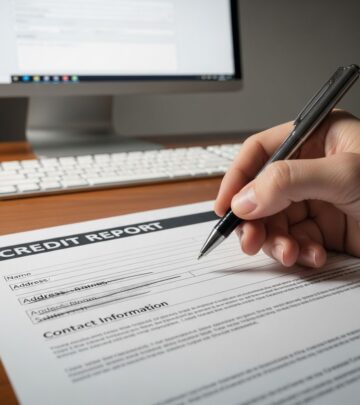
Compose a clear, concise dispute letter or use the bureau’s online dispute form to request address correction. Your written dispute should include your full name, date of birth, last four digits of your Social Security number, the incorrect address as shown on the report, your correct address, and copies of supporting documentation. Keep your explanation brief but explicit about why the address is incorrect. If applicable, note that you have never lived at that address or that it belongs to someone else. Maintain copies of everything you send.
Multi-Bureau Submission
File disputes separately with Experian, Equifax, and TransUnion. While online filing is faster, consider also mailing certified copies to create a paper trail. Online submissions should include screenshots of your submission for your records. When mailing, use certified mail with return receipt requested and keep the receipt. Some consumers file both online and by mail simultaneously to ensure receipt and create documentation for regulatory complaints if necessary.
Creditor Notification
Simultaneously with bureau disputes, contact the lender or creditor who reported the incorrect address. The creditor is often the source of the error and can correct it at the origin, preventing the incorrect address from reappearing later. Provide the creditor with your correct address and request written confirmation of the update. For older collection accounts, contact the collection agency directly and ask them to verify they have your current address on file.
Monitoring and Follow-Up
After submitting disputes, check your credit reports 30 to 45 days later to verify corrections were made. Most bureaus investigate disputes within 30 days, though complex cases may take up to 45 days. If no change occurred, follow up with the bureau through their dispute portal again or escalate your case. If the bureau fails to correct the information, you can file a complaint with the Consumer Financial Protection Bureau (CFPB), a federal agency that oversees credit reporting practices.
Frequently Asked Questions About Address Management
Should I contact credit bureaus directly when I move?
No, you don’t need to contact credit bureaus directly if you have active credit accounts. Simply update your address with your creditors, and they will report the change to the bureaus during their regular reporting cycle. Direct bureau contact is only necessary if you want expedited updates or if you have no open accounts.
How long should I expect for my address to update?
Expect 30 to 45 days for your new address to appear on your credit report after updating it with your creditors. If you contact the bureaus directly with proof of your address, updates may occur faster. Online creditor submissions typically process faster than mailed requests.
Will an outdated address hurt my credit score?
No, your address—whether current or outdated—has no impact on your credit score. Address information is purely for identification purposes and doesn’t factor into credit scoring algorithms. Maintaining accurate address information protects you from identity issues but won’t improve or harm your score.
What if I share an address with someone else with a similar name?
Contact the bureaus to clarify that you are separate individuals with distinct Social Security numbers. Provide your identifying information and request that your files be separated. This is particularly important if you share an address with a spouse or family member, as merged files can create reporting confusion.
Can I remove old addresses from my credit report?
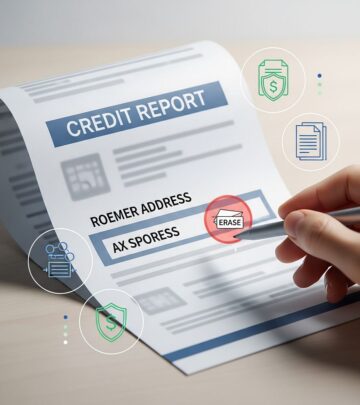
No, historical addresses remain on your credit report as part of your identifying information. These addresses don’t harm your credit score and serve legitimate purposes in fraud detection and identity verification. Only addresses that are completely incorrect or belong to someone else can be disputed and removed.
References
- Do You Need to Update the Address on Your Credit Report? — Experian. https://www.experian.com/blogs/ask-experian/changing-your-address-on-your-credit-report/
- Step-by-Step Guide to Fixing an Outdated Credit Report Address — Shepherd Outsourcing Services. https://www.shepherdoutsourcingservices.com/blog/remove-incorrect-address-credit-report
- How to Update Your Credit Report With New Personal Information — Experian. https://www.experian.com/blogs/ask-experian/how-to-update-your-credit-reports-personal-information/
- How To Update Personal Information on Your Credit Report — Credit Karma. https://www.creditkarma.com/credit/i/update-personal-information-credit-report
- How do I correct or dispute information on my Equifax credit report? — Equifax. https://www.equifax.com/personal/help/article-list/-/h/a/correct-dispute-information-credit-reports/
Similar Articles








Read full bio of Sneha Tete