Manage Personal Loan Payments: A Complete Guide To Pay Off Faster
Master your personal loan payments with proven strategies for budgeting, autopay, early payoff, and refinancing to save money and reduce stress.
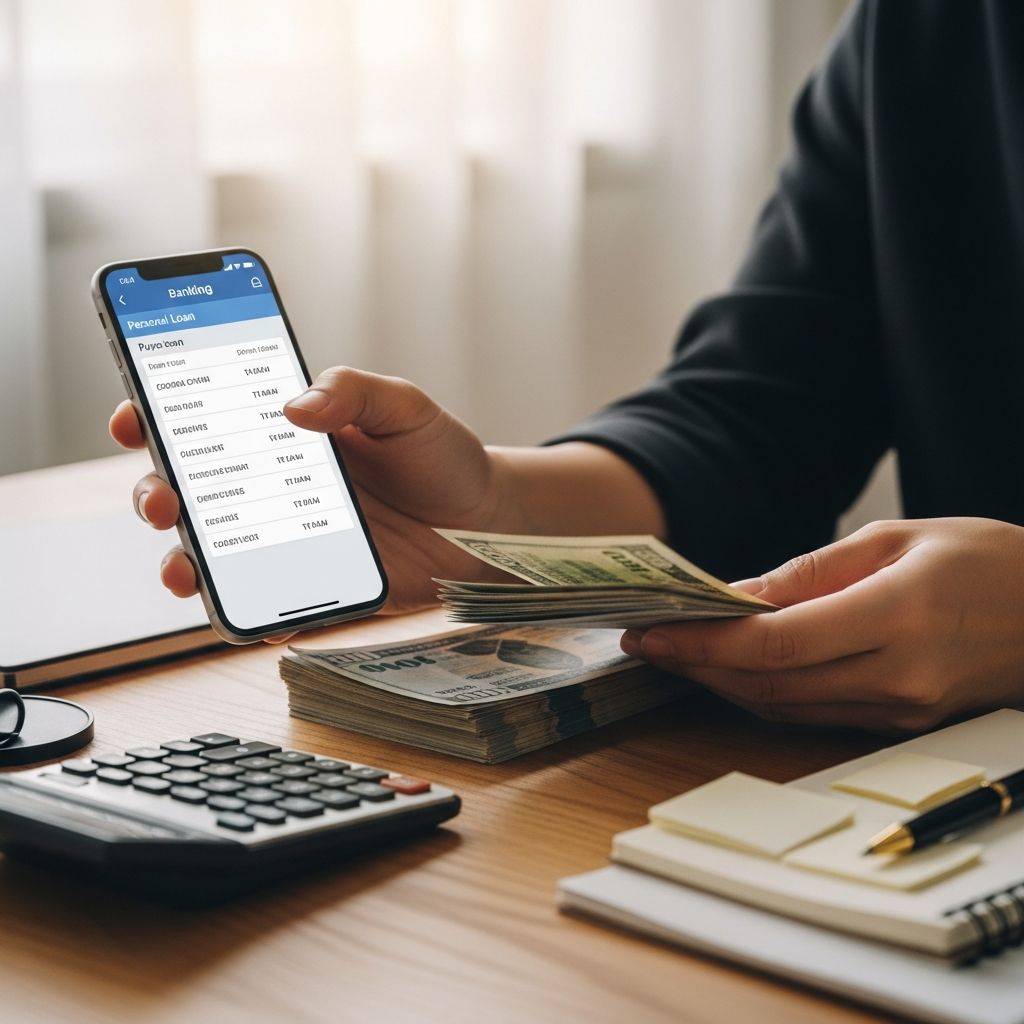
Personal loans offer a lump sum of cash upfront with fixed monthly payments that include principal and interest, making them straightforward to manage when approached strategically. Effective management ensures you minimize interest costs, avoid late fees, and maintain financial health.
Understanding Personal Loan Payments
Personal loans typically feature fixed interest rates and set repayment terms ranging from 12 to 84 months, resulting in consistent monthly payments. This predictability aids budgeting compared to variable-rate credit cards. However, without proper planning, high-interest accumulation can extend debt burdens. Key elements include the annual percentage rate (APR), which encompasses interest and fees, directly impacting total costs.
Lenders calculate payments using amortization schedules where early payments primarily cover interest, shifting toward principal over time. Understanding this helps prioritize strategies like extra payments to reduce principal faster and save on interest.
Create a Solid Budget for Loan Payments
A robust budget is foundational for handling personal loan payments, integrating them seamlessly into monthly expenses. Start by listing income and all outflows, then allocate space for the loan payment, ideally keeping debt-to-income (DTI) ratio below 36%.
To free up funds:
- Reduce discretionary spending: Cancel unused streaming services, gym memberships, or limit dining out and alcohol purchases.
- Prioritize essentials: Focus on necessities like housing, utilities, and groceries before loan payments.
- Track expenses: Use apps or spreadsheets to monitor spending and adjust habits.
- Build an emergency fund: Aim for 3-6 months of expenses to avoid relying on credit for surprises.
Howard Dvorkin, CPA and Chairman of Debt.com, emphasizes reassessing budgets if DTI exceeds limits post-loan, potentially delaying borrowing. Tools like the 50/30/20 rule—50% needs, 30% wants, 20% savings/debt—provide structure.
Set Up Automatic Payments (Autopay)
Autopay automates withdrawals from your bank account on due dates, eliminating forgetfulness and late fees. Many lenders incentivize it with rate discounts of 0.25% to 0.50%, compounding savings over the loan term.
Benefits include:
- Consistent on-time payments boosting credit scores via positive payment history (35% of FICO score).
- Peace of mind from hands-off management.
- Potential early payment if processed mid-cycle, slightly reducing interest.
Setup involves linking accounts during loan origination or via lender portals. Verify sufficient funds to avoid overdrafts. If rates drop, autopay facilitates painless extra contributions.
Strategies to Pay Off Your Personal Loan Early
Accelerating repayment cuts total interest and shortens debt duration, provided no prepayment penalties exist—confirm this in loan terms. Common methods include:
| Method | How It Works | Potential Savings |
|---|---|---|
| Add to Monthly Payments | Increase principal portion each month. | Reduces term and interest significantly. |
| Biweekly Payments | Half-payment every two weeks equals 13 full payments yearly. | Shaves years off term; e.g., 5-year loan paid in ~4 years. |
| One-Time Extra Payments | Lump sums from bonuses/tax refunds toward principal. | Directly lowers balance, minimizing interest accrual. |
For illustration, a $10,000 loan at 10% APR over 36 months has ~$322 monthly payments totaling $1,592 interest. Biweekly payments could save ~$200+ in interest. Always specify extras apply to principal.
Refinancing Your Personal Loan
Refinancing replaces your loan with a new one at better terms, viable if credit improves (e.g., score rises 50+ points). Seek lower APRs or extended terms for affordability, but shorter terms save more interest.
Steps:
- Check current credit score and loan balance.
- Pre-qualify with lenders for rate quotes without hard inquiries.
- Compare total costs: new APR, fees, remaining payments.
- Apply if savings exceed 1% APR drop after fees.
Example: Refinancing $8,000 balance from 12% to 8% APR over 24 months drops payments from ~$397 to ~$355, saving ~$450 interest minus fees. Avoid if fees > savings or extending term excessively.
Monitor Your Loan Balance and Credit Impact
Regularly review statements for accuracy, track principal reduction, and APR. Positive management improves credit utilization and history. Aim for under 30% utilization on revolving debt alongside installment loans.
Tools: Lender apps, free credit monitoring from AnnualCreditReport.com or services like Credit Karma. Address discrepancies promptly to protect scores.
Common Mistakes to Avoid
- Ignoring autopay setup, risking late fees (~$30+ each).
- Not verifying prepayment penalties before extras.
- Refinancing without calculating breakeven (fees/recoup time).
- Overlooking DTI, leading to approval denials or stress.
- Making only minimums on consolidated debts pre-payoff.
Using Personal Loans for Debt Consolidation
Consolidation merges high-interest debts (e.g., cards at 20%+) into one lower-rate personal loan, simplifying payments. A $10,000 debt at 8% over 36 months costs ~$1,025 interest vs. higher on cards.
Process: Qualify based on credit/income, funds pay creditors directly or to you (close immediately). Fixed terms enforce discipline.
Frequently Asked Questions (FAQs)
Q: Can I pay off a personal loan early without penalty?
A: Most do not charge penalties, but review terms. Early payoff saves interest.
Q: Does autopay improve my credit score?
A: Yes, via on-time payments; many offer rate discounts too.
Q: When should I refinance my personal loan?
A: If credit improved for lower rates, and savings exceed fees.
Q: How does DTI affect loan management?
A: Keep below 36%; high DTI strains budgets.
Q: Are biweekly payments better than monthly?
A: Yes, they add an extra payment yearly, shortening terms.
References
- How to efficiently manage a personal loan — Bankrate. 2024-01-15. https://www.bankrate.com/loans/personal-loans/how-to-manage-your-personal-loan/
- How to use a personal loan for debt consolidation — MoneyRates. 2024-05-20. https://www.moneyrates.com/personal-loans/how-to-use-a-personal-loan-for-debt-consolidation.htm
- Consumer Financial Protection Bureau: Understanding Debt Collection — CFPB.gov. 2023-11-01. https://www.consumerfinance.gov/consumer-tools/debt-collection/
- Federal Reserve: Consumer Credit Report — FederalReserve.gov. 2024-09-10. https://www.federalreserve.gov/releases/g19/current/
- Personal Loans: What You Need to Know — FTC.gov. 2023-07-22. https://consumer.ftc.gov/articles/personal-loans-what-you-need-know
Similar Articles








Read full bio of Sneha Tete