12 Ways to Make Extra Money With Unused Space in Your Home
Transform your unused home spaces into profitable income streams with these proven strategies.
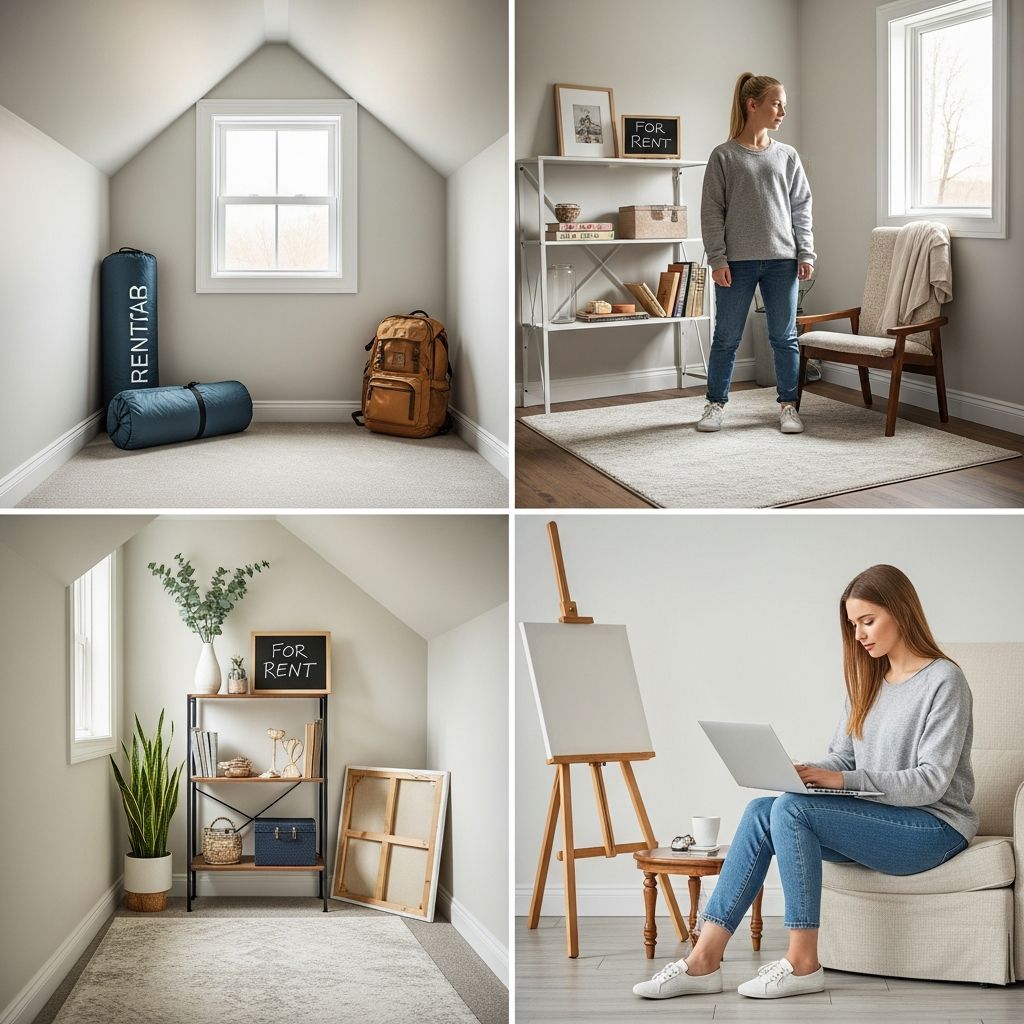
Most homeowners overlook one of the most valuable assets they possess—the unused space within their properties. Whether you’re looking for a permanent side hustle or just want to make a few extra dollars each month, your home’s empty rooms, storage areas, and outdoor spaces represent genuine opportunities for generating passive income. In today’s sharing economy, numerous platforms and strategies have emerged that allow ordinary homeowners to monetize their unused areas without significant investment or specialized skills.
From renting out spare bedrooms to leasing parking spaces and storage areas, the potential income sources are diverse and accessible to almost anyone. In many cases, homeowners report that the money they earn from these strategies completely covers their monthly housing payments, effectively allowing them to live for free. The beauty of these approaches is that they require minimal time commitment and don’t demand any particular expertise beyond basic property maintenance.
Understanding the Potential of Your Unused Spaces
Before diving into specific monetization strategies, it’s important to assess what unused spaces you currently have available. Common areas that generate income include spare bedrooms, basement areas with separate entrances, garage spaces, attics, driveways, yards, and even closets. The key is identifying which spaces are underutilized and evaluating their potential appeal to renters or users.
The demand for affordable housing alternatives and storage solutions continues to rise, particularly in urban areas where space is at a premium. This growing demand creates a favorable market for homeowners willing to share their excess capacity. By providing these services, you’re not only generating income but also supporting your community by offering affordable alternatives to corporate storage facilities and expensive short-term rental accommodations.
Ways to Make Money From Your Unused Space
1. Bring on a Housemate
One of the most lucrative and straightforward ways to generate additional income is by renting out a room in your home to a long-term housemate. While many people initially balk at the idea of sharing their living space with a stranger, this arrangement can be remarkably rewarding both financially and personally. When properly managed, housemate relationships often develop into genuine friendships that last well beyond the rental period.
This approach offers several advantages: the income stream is consistent and reliable, typically covering a significant portion of your mortgage or rent. The financial commitment from your housemate is usually substantial enough to ensure they’re serious tenants. Additionally, having another person in the home can enhance security and create a more vibrant living environment.
2. Rent a Room on Airbnb
If you prefer not to commit to a long-term housemate but still want regular income from your spare room, Airbnb offers an excellent alternative. As an Airbnb host, you can rent out a room in your existing home without purchasing a vacation property or dealing with the day-to-day presence of a permanent tenant.
Many hosts report that by renting out a single spare room for just two weekends per month, they can generate enough income to cover most of their rent or mortgage payment. The beauty of this model is that guests typically stay for short periods, meaning you rarely encounter them in shared spaces. The income can be substantial while requiring minimal interaction with renters. All you need to do is maintain the room in excellent condition and provide a welcoming experience.
3. Rent Out Your Entire Home While Not Using It
Another innovative approach involves renting out your entire home when you’re away on vacation or not using it. This strategy works particularly well if you have a primary residence elsewhere or enjoy extended travel.
Some homeowners have successfully subletted properties they don’t own on platforms like Airbnb, generating enough income to cover rental payments while making a profit. When your entire home is rented out for approximately half the year, the income can completely offset your housing costs. This approach requires more effort than renting a single room since the entire property must be thoroughly cleaned and prepared between guests, but the financial returns can be substantial.
4. Create an Accessory Dwelling Unit (ADU)
Accessory dwelling units, commonly called ADUs, granny flats, in-law suites, casitas, or basement apartments, represent a significant opportunity for substantial income generation. An ADU is a self-contained living space on your property that includes separate kitchen and bathroom facilities.
Creating an ADU is essentially house hacking—using your property as a source of income to offset housing costs. Many property owners who have built ADUs report that the rental income completely covers their mortgage payments, effectively allowing them to live for free while building equity.
When assessing your property for ADU potential, look for relatively straightforward conversion opportunities:
- A basement with a separate entrance that could be partitioned
- An existing garage that could be converted into a living space
- A section of your home that could be easily partitioned
- Room for a separate structure on your grounds
- Even tiny houses purchased affordably and placed on your property
The key is ensuring the ADU has its own entrance, bathroom, and kitchen or kitchenette to function as a truly independent living space.
5. Rent Out Storage Space
Self-storage facilities can be expensive, and many people seek affordable alternatives. If you have unused interior or exterior space, you can provide storage solutions and earn recurring income. Ideal storage spaces include garages, outbuildings, or basements with their own separate entrances, allowing tenants 24-hour access without disturbing your living space.
However, alternatives also work well. Your attic, spare bedrooms, closets, or any other interior space you don’t actively use can be converted to storage. Multiple platforms have emerged to connect storage providers with people seeking affordable solutions, including Neighbor.com, SpareFoot, and STOW IT.
The competitive advantage of renting storage space directly to individuals is that you can typically undercut corporate storage facility prices while still earning a healthy profit. Tenants appreciate avoiding corporate middlemen and their associated overhead costs.
6. Rent Out Parking Space
If you have extra parking capacity—whether it’s driveway space, a garage spot, or yard area—you can rent it to individuals needing regular or temporary parking. In urban areas and near airports, monthly parking space rentals command premium prices.
For those with room to park boats, RVs, or other vehicles, demand can be particularly abundant, with renters willing to pay substantial monthly fees for secure, convenient storage.
7. Rent Out Artistic Amenities and Space
Artists of all types—photographers, painters, sculptors, and other creatives—constantly seek affordable studio space and specialized amenities. If you have unused space, you might find it perfectly suited to meet these needs. Potential artistic uses include photography studios, dark rooms for photo development, spaces for painting or sculpture work, or backdrops for professional photoshoots.
Services like Peerspace and Storefront have emerged specifically to connect space owners with artists and creative professionals seeking affordable alternatives to traditional studios. These platforms handle marketing, booking, and payment processing, making it simple for you to provide your space without administrative burden. Artists benefit from avoiding corporate rental charges and middleman fees, while you enjoy steady rental income.
Key Benefits of Renting Out Your Unused Space
Financial Gains: The most immediate benefit is additional income. Rental proceeds can cover mortgage payments, reduce utility bills, or fund home improvements.
Efficient Resource Utilization: Instead of leaving spaces idle, renting them out promotes efficient use of real estate and aligns with sustainable living practices by maximizing existing resources.
Community Support: By offering affordable housing, storage, or creative space alternatives, you contribute to your community by providing much-needed services at reasonable prices.
Getting Started: A Step-by-Step Approach
Step 1: Assess Your Available Space
Begin by evaluating which areas of your home could be rented out. Look for spaces that are secure, accessible, and have minimal personal use. Ensure the space is clean, dry, and safe. Consider any necessary security upgrades that would make your space more attractive and secure for renters.
Step 2: Research Market Rates
Investigate local pricing for similar spaces and services. Check what commercial storage facilities charge, what Airbnb hosts in your area earn, and what long-term room rentals command in your market. This research ensures you price competitively while maintaining profitability.
Step 3: Price Your Space Strategically
Set rates that are competitive with commercial alternatives but offer renters savings. Pricing can depend on space size, security features, accessibility, and location. Offering slightly lower prices than corporate facilities makes your space attractive while still providing you with solid income.
Step 4: Market Your Space Effectively
Utilize online platforms that connect space owners with potential renters. Create detailed listings with high-quality photographs and clear descriptions of your space, amenities, terms, and pricing. Comprehensive listings increase your chances of attracting qualified renters quickly.
Frequently Asked Questions
Q: Do I need specialized skills to rent out my unused space?
A: No. You don’t need any specialized skills or extensive experience. Basic property maintenance, clear communication with renters, and use of online platforms are typically all that’s required to successfully monetize your space.
Q: What are the legal considerations when renting out space?
A: Legal requirements vary by location. Check local zoning laws, landlord-tenant regulations, and any HOA restrictions that might apply to your property. Some areas have specific rules about short-term rentals, ADUs, or commercial activities within residential zones.
Q: How much income can I realistically expect?
A: Income varies significantly based on location, space type, and market demand. Many homeowners report earning enough to cover their entire mortgage or rent payments. Urban areas and properties near transportation hubs typically command higher rates.
Q: What platforms should I use to list my space?
A: The best platform depends on your space type. For rooms: Airbnb, Booking.com. For storage: Neighbor.com, SpareFoot, STOW IT, SpaceMate. For artistic space: Peerspace, Storefront. Many successful hosts use multiple platforms simultaneously.
Q: How do I ensure tenant reliability and property safety?
A: Thoroughly screen all applicants through platform vetting systems. Request references when appropriate. Use contracts that clearly outline terms, expectations, and consequences for violations. Take detailed photos before and after each rental period.
Q: Can I rent multiple spaces simultaneously?
A: Yes. Many homeowners simultaneously rent a spare bedroom on Airbnb, offer storage space, and lease parking areas. This diversification can significantly increase total income while spreading risk across multiple revenue streams.
Conclusion: Transform Your Empty Spaces Into Income
Your unused home spaces represent untapped income potential. Whether you choose to rent a spare room to a housemate, host Airbnb guests, create an ADU, or lease storage and parking areas, the opportunities are genuine and accessible. The sharing economy has created convenient platforms and marketplaces that make monetizing your property straightforward.
Most importantly, you don’t need extensive time, specialized skills, or significant capital to participate. By thoughtfully assessing your available space and matching it with market demand, you can create reliable passive income streams. Many homeowners successfully use these strategies to cover their entire housing payments while helping their communities by providing affordable alternatives to expensive commercial solutions.
Start today by identifying your unused spaces and researching which monetization strategy best fits your situation. The income you generate could meaningfully improve your financial situation while making optimal use of your property.
References
- 12 Ways to Make Extra Money With Unused Space in Your Home — Money Crashers. Accessed 2025-11-29. https://www.moneycrashers.com/make-money-unused-home-space/
- Ways to Make Money by Renting Unused Space — SpaceMate. Accessed 2025-11-29. https://spacemate.io/blog/ways-to-make-money-by-renting-unused-space
- 10 Ways Empty Nesters Are Turning Spare Rooms Into Income Streams — Saving Advice. 2025-11-05. https://www.savingadvice.com/articles/2025/11/05/10170467_10-ways-empty-nesters-are-turning-spare-rooms-into-income-streams.html
- Need Money? 6 Ways to Put Your Home to Work — Sisters from AARP. Accessed 2025-11-29. https://www.sistersletter.com/work-money/need-money-6-ways-put-your-home-to-work
Similar Articles








Read full bio of Sneha Tete