4 Ways to Make Cooking at Home Easier Than Takeout
Discover simple strategies to make home cooking faster, cheaper, and more convenient than ordering takeout every time.
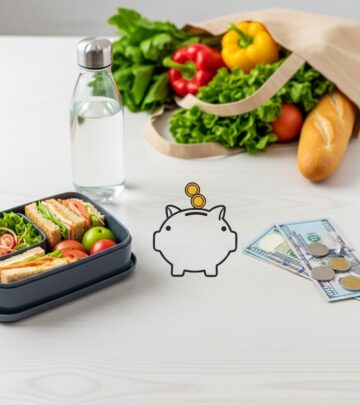
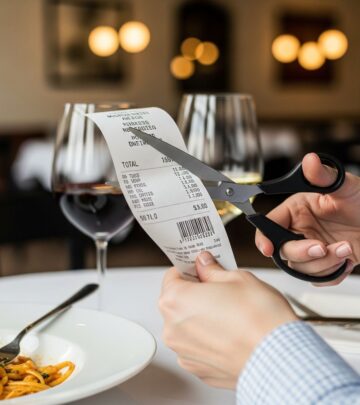
Cooking at home saves money and promotes healthier eating compared to frequent takeout orders, which can cost $12 or more per meal and add up quickly.By implementing smart strategies like meal planning and batch prepping, you can make home cooking faster and less effort than dialing for delivery.
The average American household spends over $3,000 annually on eating out, according to U.S. Bureau of Labor Statistics data on consumer expenditures. Yet, with the right approach, home-cooked meals become the path of least resistance, minimizing decision fatigue and impulse orders on busy nights.
1. Master Meal Planning: Your First Line of Defense Against Takeout
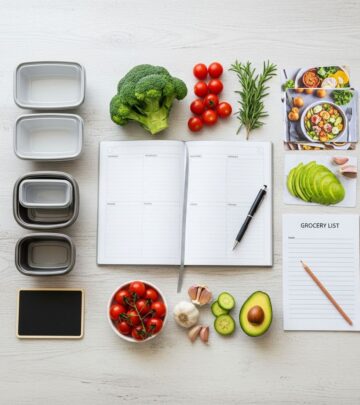
Meal planning transforms chaotic weeknights into predictable, budget-friendly routines. Start by calculating how many meals you need weekly—typically 21 for one person (7 breakfasts, lunches, dinners), adjusting for family size or eaten-out meals like Friday bagels or Sunday family dinners.
Translate groceries into ‘meals served’: A loaf of bread might yield 7 sandwiches, a bag of salad 3-4 sides, or a rotisserie chicken 4 dinners plus lunches. This mindset shift prevents surprises like running out of bread mid-week, forcing a $12 takeout splurge.
- Inventory your staples: Assess current pantry, fridge, and freezer to avoid duplicate buys.
- Plan around favorites: List go-to meals like tacos, soups, or salads you know your family devours quickly or stretches well.
- Build a weekly template: Assign themes—Meatless Monday, Taco Tuesday—to reduce planning time.
Use free tools like meal planning apps or printable calendars to map breakfasts, lunches, dinners, and snacks. Apps generate grocery lists automatically, ensuring you buy only necessities. At the store, stick to the list to capitalize on sales cycles—stock up on bulk chicken or rice when discounted, then freeze portions.
Trial and error refines your system: If a casserole vanishes in two days instead of five, adjust portions next time. Over weeks, you’ll predict needs accurately, keeping your fridge stocked without waste.
2. Batch Prep and Freezer Hacks: Cook Once, Eat All Week
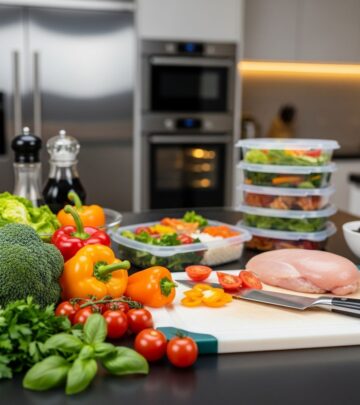
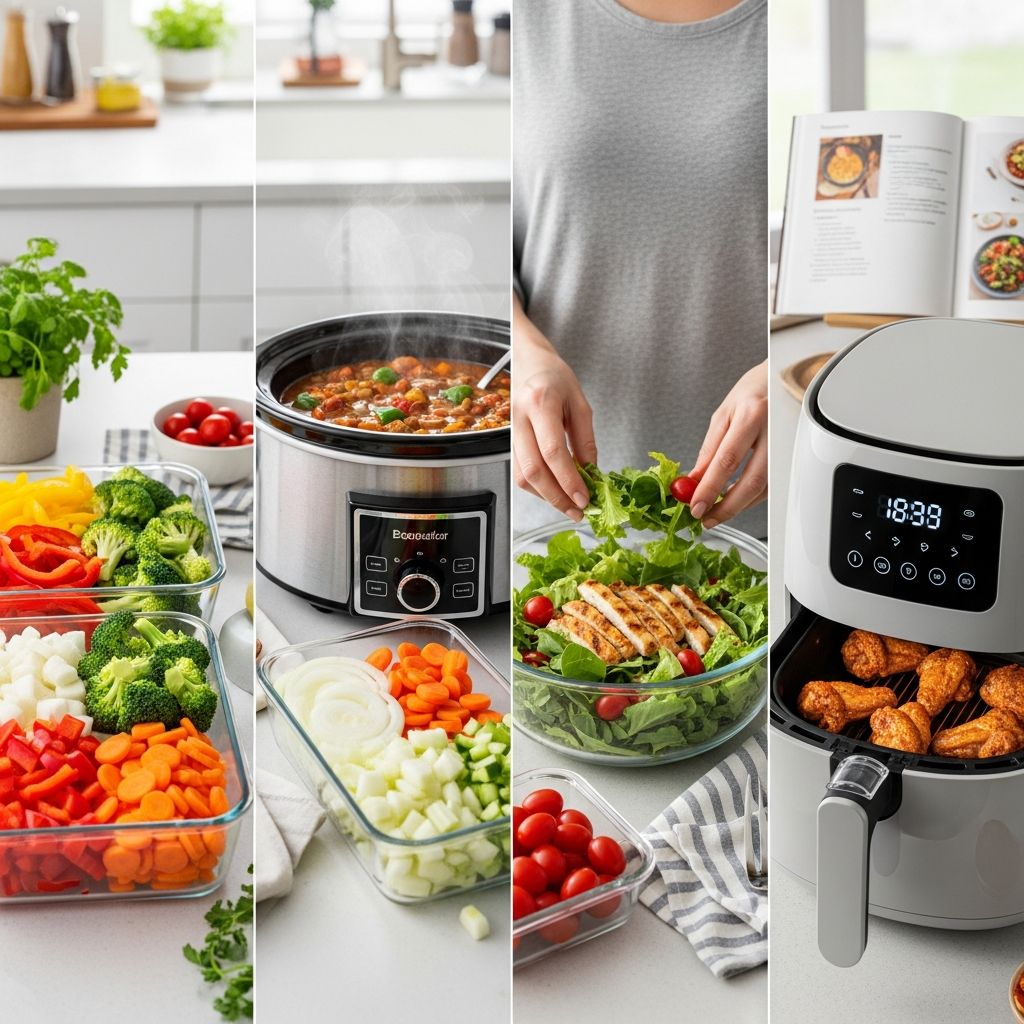
Batch cooking multiplies efficiency, turning 2 hours of Sunday prep into 5-7 days of ready meals. Chop veggies, cook proteins, and portion sauces ahead—store in airtight containers for grab-and-go assembly.
- Protein power: Grill or bake 5 chicken breasts, shred for tacos, salads, and stir-fries.
- Veggie forward: Roast trays of broccoli, peppers, and carrots; they reheat perfectly.
- Grain bases: Cook quinoa or rice in bulk for bowls, burritos, or fried rice.
Freezer meals are takeout killers: Assemble casseroles, soups, or chili in disposable pans, freeze flat, then thaw overnight for effortless dinners. Keep ’emergency kits’ like burrito fillings or marinara sauce for hectic nights.
Summer budget tip: Prioritize freezer-stored items first to clear space and slash costs—juicy proteins and prepped sides emerge ready-to-plate. The USDA recommends freezing at 0°F (-18°C) for quality up to 3-12 months depending on the food, ensuring safety and flavor.
| Meal Type | Prep Time | Serves | Freezer Life | Cost Savings vs. Takeout |
|---|---|---|---|---|
| Chicken Stir-Fry Kit | 20 min | 4 | 2 months | $40 (vs. $60 delivery) |
| Beef Chili | 30 min | 6 | 3 months | $25 (vs. $50) |
| Veggie Soup | 15 min | 8 | 4 months | $16 (vs. $40) |
This table illustrates time and savings; scale for your household. Batch prepping cuts weekly cooking to under 30 minutes daily.
3. Time-Saving Tools and Gourmet Pantry Staples
Elevate home cooking with tools that mimic restaurant speed: Slow cookers, Instant Pots, and sheet pans turn complex meals simple. Load a slow cooker with meat, veggies, and spices in the morning—dinner’s ready by evening, no afternoon effort.
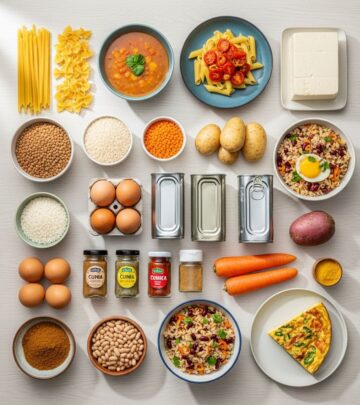
Stock a ‘gourmet pantry’ with versatile, long-lasting items: Spices (cumin, paprika), herbs, tahini, soy sauce. These punch up basics cheaply—a tahini-garlic sauce over roasted veggies rivals takeout falafel for pennies.
- Slow cooker strategy: Ideal for tough cuts like pork shoulder; set on low for 8 hours.
- One-pan wonders: Sheet-pan dinners (chicken, potatoes, broccoli) bake at 425°F for 25 minutes.
- App assistance: Use ChatGPT for leftover recipes or grocery apps for deals.
Benefits extend beyond savings: Healthier diets from whole ingredients, skill-building via YouTube tutorials, and family bonding over new flavors.
4. Habits That Stick: From Nightly Prep to Pantry Challenges
Sustainable habits seal the deal. Pack lunches nightly to dodge morning rushes; vary meals (lasagna dinner, sandwich lunch) for excitement. Designate snacks like almonds to preserve entrees.
Embrace the pantry challenge: Cook from existing stock before shopping, sparking creativity and zeroing waste. Track habits in a note app, tweaking as needed.
Pro results: Less stress, more savings—households report 20-50% grocery reductions via planning. Cooking becomes enjoyable, not obligatory.
Frequently Asked Questions (FAQs)
Q: How much money can I save by cooking at home instead of takeout?
A: Families save $1,500-$3,000 yearly; a $12 takeout lunch vs. $3 home-packed yields $9 savings per meal.
Q: What’s the best starter meal plan for beginners?
A: Plan 5 dinners around one protein (e.g., chicken), with versatile sides; use apps for lists.
Q: How do I avoid food waste in meal prep?
A: Portion precisely, freeze extras, and repurpose leftovers—e.g., roast chicken into soup.
Q: Are slow cookers worth it for busy schedules?
A: Yes; dump-and-go meals save hours weekly, perfect for ‘too tired to cook’ nights.
Q: Can I make gourmet meals on a budget?
A: Absolutely—pantry staples like tahini and spices elevate basics without high costs.
In summary, these four ways—planning, prepping, tools, and habits—make home cooking surpass takeout in ease and savings. Start small, iterate, and watch your wallet and waistline thank you.
References
- How to Start Meal Planning to Save Money — The Penny Hoarder. 2023-05-15. https://www.thepennyhoarder.com/save-money/how-to-start-meal-planning/
- Budget Gourmet: Mastering the Art of Elevated Cooking on a Dime — The Penny Hoarder. 2024-02-10. https://www.thepennyhoarder.com/save-money/budget-gourmet/
- 4 Ways to Make Cooking at Home Easier Than Takeout — The Penny Hoarder. 2023-08-22. https://www.thepennyhoarder.com/save-money/make-cooking-at-home-easier-than-takeout/
- 11 Tips That Will Help You Do Summer Cooking on a Budget — AOL. 2024-06-01. https://www.aol.com/11-tips-help-summer-cooking-180034541.html
- Expert Meal Prep Ideas Guaranteed to Save You Time and Money — The Penny Hoarder. 2024-03-20. https://www.thepennyhoarder.com/save-money/meal-prep-ideas/
- Consumer Expenditures 2023 — U.S. Bureau of Labor Statistics. 2024-09-10. https://www.bls.gov/news.release/ceanr.nr0.htm
- Freezing and Food Safety — USDA Food Safety and Inspection Service. 2023-11-01. https://www.fsis.usda.gov/food-safety/safe-food-handling-and-preparation/food-safety-basics/freezing-and-food-safety
- Meal Planning and Food Waste Reduction — USDA Economic Research Service. 2024-01-15. https://www.ers.usda.gov/topics/food-choices-health/food-waste/
Similar Articles








Read full bio of Sneha Tete