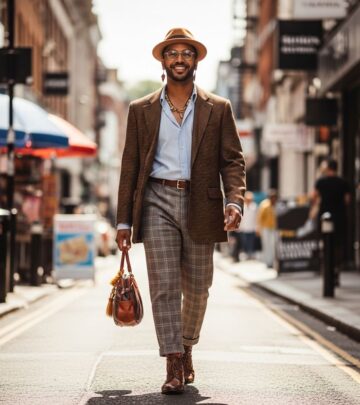
19 Luxury Wardrobe Essentials Every Woman Can Afford
Discover 19 timeless luxury essentials, why they’re worth the investment, and how to afford them without sabotaging your financial goals.
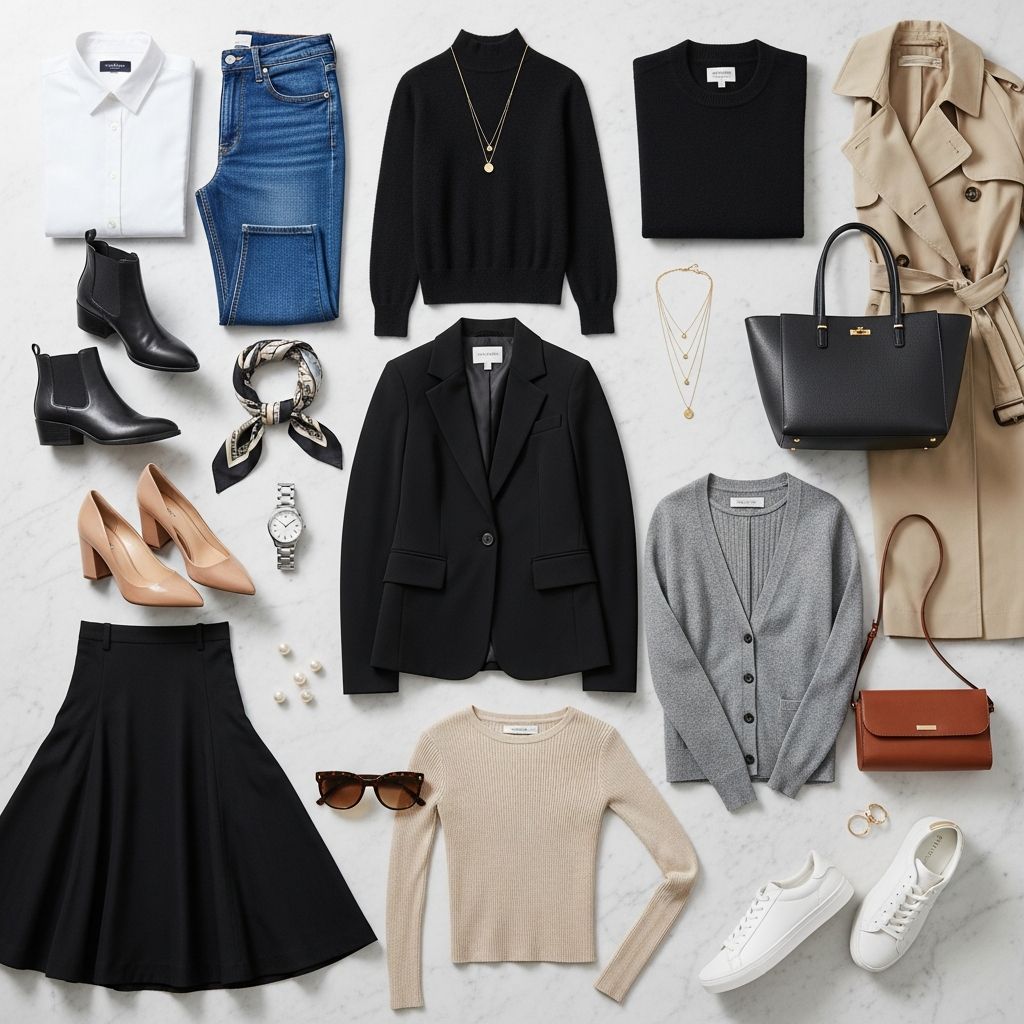
Luxury does not have to mean financial stress. When chosen wisely, a few carefully selected investment wardrobe pieces can elevate your style for years while still aligning with your money goals.
This guide walks you through what luxury items can do for your wardrobe, the top 19 luxury items every woman should own, why these purchases can be financially smart, and practical ways to save for them without going into debt.
What Luxury Items Can Do for Your Wardrobe
Luxury fashion pieces are about more than labels. The real value is in quality, longevity, and versatility.
- Elevate basic outfits: A simple jeans-and-tee look instantly appears more polished with a structured bag or quality shoes.
- Improve cost per wear: Well-made items typically last longer, reducing the cost per use over time compared with fast fashion.
- Create a cohesive personal style: Thoughtfully chosen luxury pieces become the backbone of a signature look.
- Reduce impulse shopping: Saving for investment items encourages intentional purchases over trend-led splurges.
Studies on clothing lifecycles show that garments are often discarded long before they are physically worn out, especially fast fashion items.1 Choosing higher-quality pieces you love can help you wear items longer, reducing waste and unnecessary replacement purchases.
Top 19 Luxury Items Every Woman Should Own
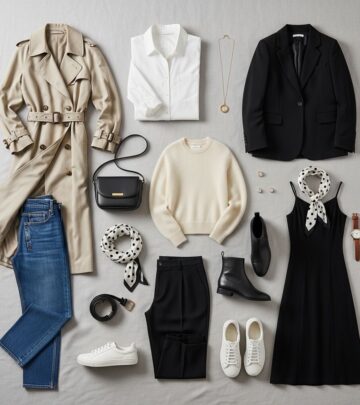
The exact brands you choose are personal, but these 19 categories represent classic, versatile pieces that work hard in most wardrobes. Focus on neutral colors, timeless shapes, and high-quality materials.
| Luxury Item | Why It’s Worth It |
|---|---|
| 1. Classic Everyday Watch | Elevates every outfit and can be worn daily for years. |
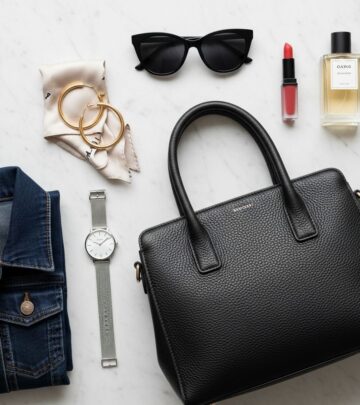
| 2. Structured Leather Handbag | Polishes any look and withstands daily wear. |
| 3. Little Black Dress (LBD) | Timeless for events, dinners, and occasions. |
| 4. Tailored Blazer | Dresses up jeans or complements workwear. |
| 5. Quality Leather Flats | Comfortable, chic, and endlessly wearable. |
| 6. Classic Pumps | Ideal for interviews, meetings, and formal events. |
| 7. Signature Trench Coat | Season-spanning outerwear that never dates. |
| 8. Premium Denim Jeans | Flattering fit and durable fabric. |
| 9. Cashmere Sweater | Soft, warm, and sophisticated. |
| 10. Fine Jewelry Necklace | Everyday adornment that lasts a lifetime. |
| 11. Stud or Hoop Earrings | Simple pieces you can wear daily. |
| 12. High-Quality Sunglasses | Protect your eyes and complete your look. |
| 13. Leather Belt | Adds structure and polish to outfits. |
| 14. Silk Scarf | Versatile accessory for outfits, hair, or bags. |
| 15. Statement Evening Bag | Perfect for weddings, parties, and events. |
| 16. Quality Boots | Durable, stylish footwear for cooler seasons. |
| 17. Luxury Fragrance | Creates a memorable personal signature. |
| 18. Elegant Loungewear or Robe | Makes at-home time feel elevated. |
| 19. Special-Occasion Dress | A go-to outfit for celebrations and formal events. |
1. A Classic Everyday Watch
If you buy just one luxury item, choose a well-made watch you can wear daily. A classic watch works with casual looks, office wear, and evening outfits, and many designs stay stylish for decades.
- Opt for a minimal, timeless face.
- Choose a metal or leather band that matches most of your jewelry.
- Avoid overly trendy colors or embellishments.
2. A Structured Leather Handbag
A high-quality leather handbag instantly makes low-key outfits look intentional. Look for a size that fits your daily essentials and a neutral shade like black, tan, or navy.
- Check stitching, hardware, and lining quality.
- Choose a shape that suits both work and weekend wear.
3. The Little Black Dress
The LBD is a luxury basic because of its flexibility. You can wear it to work events, dinners, or weddings simply by changing accessories.
- Pick a cut that flatters your body type and feels comfortable.
- Avoid overly trendy details so it remains timeless.
4. A Tailored Blazer
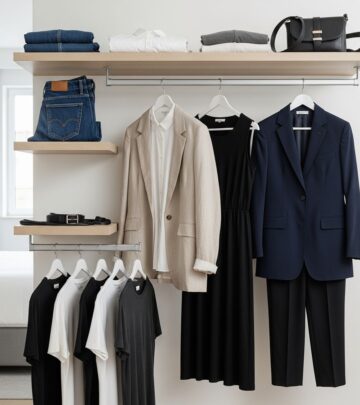
A blazer in a high-quality fabric instantly sharpens your look. It pairs with jeans, dresses, and trousers, making it one of the most versatile luxury items on this list.
5. Quality Leather Flats
Comfortable, well-crafted flats are perfect for commuting, errands, and travel. They also help reduce discomfort and potential foot issues caused by poorly made shoes.2
6. Classic Pumps
A pair of mid-heel pumps in a neutral color can see you through interviews, important meetings, and formal occasions. Choose a heel height you can realistically wear.
7. Signature Trench Coat
A trench coat is a rare combination of practicality and elegance. It transitions seamlessly across seasons and dress codes.
8. Premium Denim Jeans
High-quality denim holds its shape, resists sagging, and often uses more durable stitching. This makes premium jeans a smart investment if you wear denim frequently.
9. Cashmere Sweater
Cashmere is lightweight yet warm, and if cared for properly, can last for many years. Look for tightly knit, non-itchy fabric and neutral colors.
10. Fine Jewelry Necklace
A delicate gold or silver necklace can be worn every day and passed down over time. Unlike costume jewelry, fine metals and stones are less likely to tarnish or irritate skin.
11. Stud or Hoop Earrings
Simple studs or small hoops in precious metal go with virtually every outfit. They are a subtle way to incorporate luxury into your daily look.
12. High-Quality Sunglasses
Beyond style, well-made sunglasses offer better UV protection, which helps protect your eyes and the delicate skin around them.3 Choose lenses with full UVA and UVB coverage.
13. Leather Belt
A leather belt in a neutral tone helps define your waist and adds polish to dresses, trousers, and jeans.
14. Silk Scarf
A silk scarf is a small but impactful luxury. Wear it around your neck, in your hair, or tied to your handbag to add color and texture.
15. Statement Evening Bag
Instead of buying a different low-quality clutch for every event, invest in one well-made evening bag that works across multiple occasions.
16. Quality Boots
Leather ankle or knee-high boots can last for many seasons if you care for the leather and resole them when needed. They are ideal for fall and winter outfits.
17. Luxury Fragrance
A well-chosen fragrance can become part of your personal brand. Because bottles last a long time, fragrance often offers good value for cost per wear.
18. Elegant Loungewear or Robe
Elevated loungewear can make your at-home time feel more intentional and comfortable. Look for soft, breathable fabrics that wash well.
19. Special-Occasion Dress
Having one go-to dress for weddings, graduations, and formal events reduces last-minute shopping. Choose a silhouette that makes you feel confident and that can be styled in multiple ways.
Expert Tip: Increase Quality and Save Money Over Time
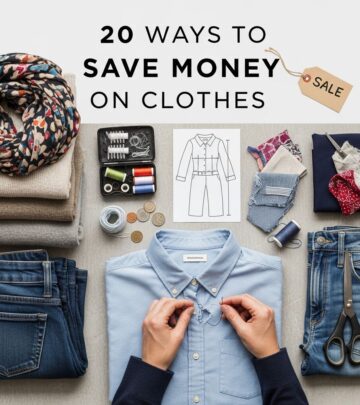
Fast fashion often appears cheaper upfront, but repeated replacements add up. Research on clothing consumption shows that people frequently underuse garments, leading to higher total costs and more waste.1
By contrast, one high-quality handbag or coat can be worn for many years, lowering the cost per wear. To maximize value:
- Prioritize items you will use weekly or daily.
- Choose classic colors and cuts that won’t date quickly.
- Care for items properly (storage, cleaning, repairs) to extend their life.
Why Having Luxury Items Makes Sense
Luxury items can be a smart financial choice when treated as long-term investments in your wardrobe, not impulsive status symbols. The key is intentionality and financial planning.
- Longevity: High-quality materials and construction help items last longer than cheaper alternatives.
- Fewer replacements: You buy less often because pieces stay in good condition.
- Resale potential: Some designer items retain part of their value, which can be recovered through resale markets.4
- Confidence and presence: Wearing clothes you love and trust can positively influence how you feel at work and in social settings.
However, luxury only makes sense when it does not interfere with critical financial priorities such as emergency savings, debt repayment, and retirement contributions.5
How to Save for Those Luxury Items Every Woman Should Own
To enjoy luxury without guilt, build a simple system that protects your long-term goals while funding your style wishlist.
1. Put Your Financial Foundations First
Before saving for a handbag or shoes, ensure you are:
- Paying all essential bills and obligations on time.
- Building an emergency fund (often 3–6 months of basic expenses, depending on your situation).5
- Contributing regularly to retirement accounts, if available.
- Managing high-interest debt strategically.
2. Create a Luxury Wishlist Line in Your Budget
Once your basics are covered, add a “luxury” or “investment wardrobe” line in your monthly budget. Decide how much you can comfortably allocate without touching essential categories.
3. Open a Dedicated Savings Account
Keep your luxury fund separate from your emergency savings or bill money. Research shows that using separate accounts or mental accounting can help people stick to spending goals.6
- Nickname the account (e.g., “Luxury Wardrobe Fund”).
- Automate transfers each payday.
- Avoid withdrawing from this account for non-luxury spending.
4. Increase Your Income for Faster Progress
If you want to reach your luxury goals sooner, consider boosting income instead of cutting essentials.
- Pick up overtime or extra shifts if available.
- Start a side hustle based on your skills or hobbies.
- Sell unused items from your closet or home.
Even modest additional income can make a noticeable difference when directed toward specific savings goals.
5. Consider Pre-Loved Luxury
Buying pre-owned luxury items can significantly reduce cost while still offering high quality. Focus on reputable resellers, verify authenticity, and inspect condition details carefully.
- Great option for handbags, watches, and jewelry.
- Look for classic styles likely to hold value.
What Is the Top Item You Should Own When Buying Luxuries?
If you are starting from scratch, the top luxury item to consider is a classic, everyday watch. It is:
- Suitable for nearly every outfit and occasion.
- Subtle yet elegant, signaling polish without being flashy.
- Durable enough to last for many years with proper care.
Because you can wear it daily, the cost per wear can become extremely low over time.
How Do You Know What to Buy First?
Instead of copying someone else’s list, use your current lifestyle and wardrobe as a guide.
- Audit your closet: Note which pieces you wear most and where you feel something is missing (e.g., workwear, events, casual weekends).
- Identify gaps: For example, if you often struggle with what to wear to work, prioritize a blazer, premium trousers, or a great watch.
- Rank items by frequency of use: A bag or pair of jeans you’ll wear multiple times a week should come before a dress you might wear twice a year.
Good first purchases for many women include:
- Premium jeans that fit perfectly.
- Ballet flats or loafers that are comfortable for daily wear.
- A neutral handbag that suits work and weekends.
What Wardrobe Piece Is the Most Classic and Practical to Buy?
While several items could fit this description, one of the most classic and practical pieces is a neutral, structured handbag or a tailored blazer.
- A handbag directly supports daily life by carrying essentials and works across seasons.
- A blazer can transform simple outfits, making it ideal for office settings, dinners, and smart casual events.
Choose based on which item would see the most use in your current routine.
More Luxury Fashion-Related Ideas
As you build your collection, keep a long-term mindset:
- Track how often you wear each investment piece to understand your true cost per wear.
- Maintain fabric care (steaming, proper storage, repairs) to extend the life of your items.
- Periodically resell items you no longer use to free up space and funds.
Treat Yourself to Some Luxury Items Every Woman Should Own
Luxury purchases can coexist with responsible money management. By prioritizing quality, planning your spending, and saving intentionally, you can enjoy beautiful, long-lasting pieces without sacrificing your financial future.
Start with one carefully chosen item, wear it often, and let each purchase be a thoughtful step toward a wardrobe that truly represents you.
Frequently Asked Questions (FAQs)
Q: Should I ever use a credit card to buy luxury items?
Using a credit card only makes sense if you can pay the full balance by the due date. Carrying high-interest debt for non-essential purchases can slow progress toward savings and increase total costs over time.5
Q: How much of my income should go toward luxury purchases?
There is no one-size-fits-all rule, but many budgeting approaches suggest limiting all non-essential or discretionary spending to a modest portion of your take-home pay, after essentials, savings, and debt payments are covered.5
Q: Is buying designer always better than mid-range brands?
Not always. Some mid-range brands offer excellent quality at lower prices. Focus on materials, construction, and how often you will wear the item rather than the logo on the label.
Q: How do I avoid impulse buying when shopping for luxury?
Create a written wishlist, wait at least 24–48 hours before purchasing, and only buy when an item fits your plan and your budgeted luxury fund. If you are tempted by a sale, revisit your priorities and cost per wear.
Q: Are pre-owned luxury items a good investment?
Pre-owned items can be an excellent value when purchased from reputable sources. Some classic designs retain value well, but the primary benefit is usually long-term wear, not financial return.
References
- A new textiles economy: Redesigning fashion’s future — Ellen MacArthur Foundation. 2017-11-28. https://ellenmacarthurfoundation.org/a-new-textiles-economy
- High heels and musculoskeletal injuries — Barnish MS, Barnish J. BMJ Open. 2016-01-12. https://bmjopen.bmj.com/content/6/1/e010053
- Ultraviolet (UV) Radiation — World Health Organization. 2020-07-15. https://www.who.int/news-room/q-a-detail/radiation-ultraviolet-(uv)
- Luxury resale: The new second-hand market — Boston Consulting Group & Vestiaire Collective. 2020-01-21. https://www.bcg.com/publications/2020/luxury-resale-market
- How to prioritize your savings goals — Consumer Financial Protection Bureau (CFPB). 2022-04-14. https://www.consumerfinance.gov/about-us/blog/how-to-prioritize-your-savings-goals/
- Mental accounting and consumer choice — Thaler RH. Marketing Science. 1985-03-01. https://doi.org/10.1287/mksc.4.3.199
Similar Articles








Read full bio of Sneha Tete