Lump Sum vs DCA: Best Investment Strategy
Discover why lump sum investing often beats dollar-cost averaging based on data, and when to choose each for optimal portfolio growth.
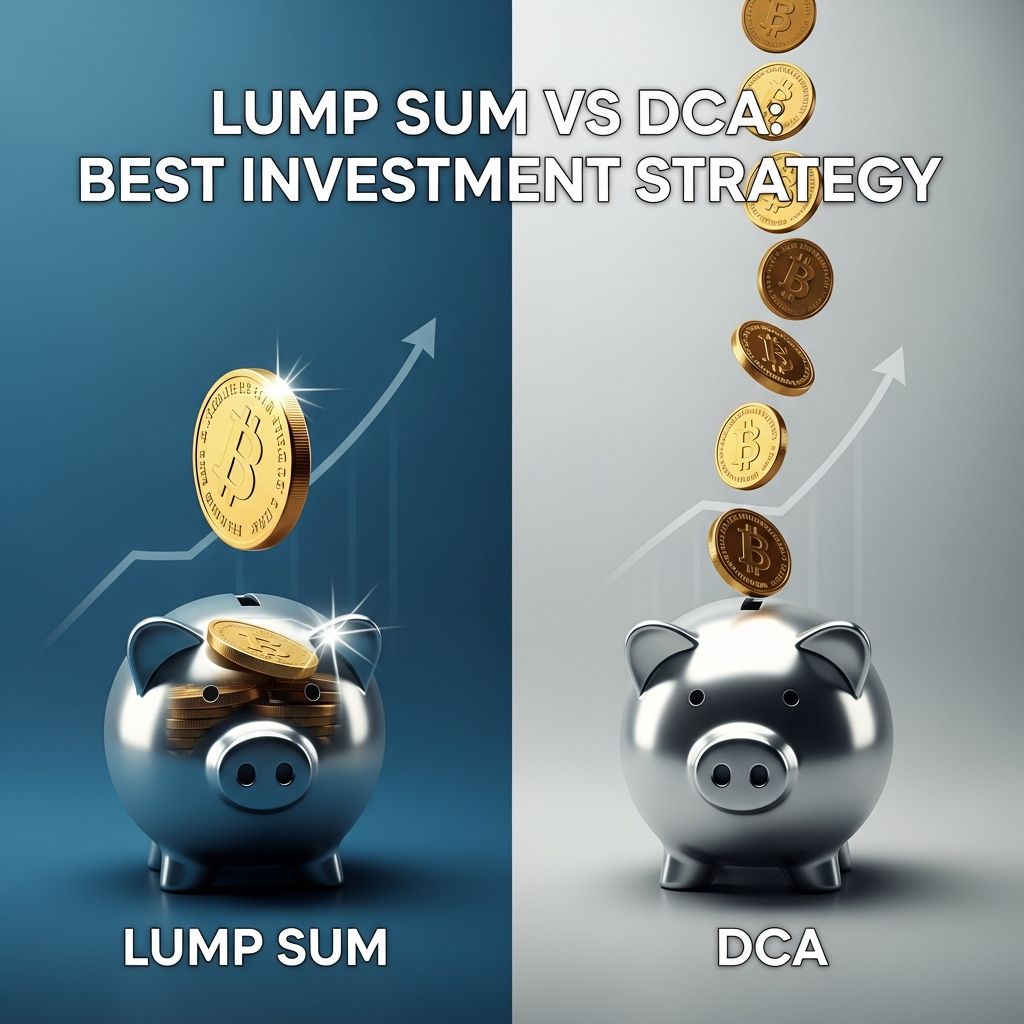
Investors facing a large cash influx often debate between deploying it all at once through
lump sum investing
or spreading it out viadollar-cost averaging (DCA)
. Lump sum investing commits the entire amount immediately, capturing full market exposure from day one. In contrast, DCA involves fixed periodic investments, mitigating timing risks by buying more shares when prices dip and fewer when they rise. Historical evidence consistently favors lump sum for higher returns, though DCA offers emotional comfort during volatility.Defining the Core Strategies
Lump sum investing prioritizes time in the market over timing it perfectly. By investing everything upfront, your capital compounds over the longest possible period, benefiting from the market’s upward bias—stocks rise more often than they fall. This approach suits those with windfalls like bonuses, inheritances, or sale proceeds.
Dollar-cost averaging, meanwhile, deploys equal sums at set intervals, such as monthly. This averages your purchase price over time, potentially lowering the effective cost basis in volatile conditions. It’s popular for automatic 401(k) contributions or gradual portfolio building.
- Lump sum key trait: Immediate full exposure, higher growth potential.
- DCA key trait: Gradual entry, smoothed volatility experience.
Historical Performance: Lump Sum Dominates
Backtests across decades reveal lump sum outperforms DCA about 75% of the time over 10-year horizons. Northwestern Mutual analyzed $1 million investments in U.S. markets, comparing immediate deployment against 12-month DCA followed by nine years holding. Results held across allocations:
| Portfolio Mix | Lump Sum Win Rate | Average Return Edge |
|---|---|---|
| 100% Equities | 75% | +1.5-2% |
| 60/40 Stocks/Bonds | 80% | +1.2% |
| 100% Fixed Income | 90% | +0.8% |
Even conservative bond portfolios favored lump sum, as markets trend higher more frequently (about 75% of one-year periods). A study by NDVR echoed this, showing DCA yields lower expected returns due to prolonged cash holdings amid rising prices.
Why the edge? Markets rise over time, so sidelined cash in DCA erodes via inflation and misses compounding. Lump sum leverages the risk-return tradeoff: equities demand (and deliver) higher returns than cash.
Why Markets Favor Lump Sum Over Time
Stock markets exhibit positive drift—annual returns average 7-10% after inflation. During DCA’s ramp-up, uninvested funds earn near-zero yields, creating an opportunity cost. In bull phases, this gap widens dramatically.
Consider a hypothetical: $120,000 lump sum on Day 1 vs. $10,000 monthly for 12 months. If markets climb 10% initially, the lump sum captures full appreciation, while DCA buys progressively costlier shares. Heritage Investments’ simulations over 15 years confirm lump sum’s superior odds.
Volatility cuts both ways. DCA shines in prolonged downturns (rare historically), buying cheaper shares. But uptrends—far more common—punish delayed exposure.
Risk and Volatility: DCA’s Psychological Shield
Lump sum exposes 100% of capital to immediate swings, testing resolve during dips. DCA ramps exposure gradually, easing into volatility and fostering discipline. Investors often bail on lump sum amid early losses, abandoning the long-term edge.
NDVR quantifies this: DCA’s volatility is mechanically lower (e.g., 9.2% vs. 15.9% annualized) due to partial equity weighting early on. Yet, this reduced risk correlates with muted returns—less time exposed to growth assets.
For risk-averse profiles, DCA minimizes ‘regret risk’: the pain of buying at a peak. Hybrids blend both—say, 50% lump sum plus DCA remainder—balancing math and mindset.
When to Pick Lump Sum Investing
- Long horizons (10+ years): Compounding amplifies the edge.
- Bullish or neutral valuations: Avoids missing rallies.
- High conviction in diversification: Global portfolios weather short-term storms.
- Large, idle cash: Inflation protection via immediate deployment.
Ideal Scenarios for Dollar-Cost Averaging
- High volatility regimes: Offsets poor single-entry timing.
- New to investing: Builds habits without overwhelm.
- Uncertain sentiment: Prioritizes comfort over marginal gains.
- Ongoing savings: Natural DCA via payroll deductions.
Hybrid Tactics for Smarter Deployment
Pure strategies ignore nuance. A ‘front-loaded DCA’ invests 25-50% upfront, then dribbles the rest. This captures some immediate growth while hedging drops. RBC GAM notes lump sum wins even in multi-year tests, but hybrids boost adherence.
Flexibility trumps dogma: Adjust based on regimes—lump sum in uptrends, DCA amid peaks. Tools like robo-advisors automate this.
Real-World Examples and Lessons
Post-2009 recovery: Lump sum into S&P 500 crushed DCA, as markets quadrupled. Conversely, 2000-2002 bear favored DCA slightly, but long-term data overrides. Hartford Funds’ analysis affirms: full exposure beats gradual in most cycles.
Key takeaway: Adherence wins. The superior strategy is the one you stick with.
Investment Horizon Matters Most
Shorter periods (1-3 years) flip probabilities—DCA edges out amid whipsaws. Beyond five years, lump sum’s math prevails. Vanguard’s research aligns: immediate investing yields favorable outcomes vs. cash hoarding.
FAQs
What is lump sum investing?
Deploying all available capital into investments at once for maximum market exposure and compounding.
Does DCA always lower your average cost?
No—only if prices fall consistently. Rising markets increase effective costs via higher later purchases.
How often does lump sum beat DCA?
Approximately 75% in equities, higher in bonds, per rolling 10-year U.S. data.
Is DCA better for beginners?
Yes, it reduces emotional stress and encourages consistent saving.
Can I combine both strategies?
Absolutely—hybrids like partial lump sum plus DCA optimize returns and risk tolerance.
Actionable Steps to Decide
- Assess timeline: 10+ years? Lean lump sum.
- Gauge risk comfort: Volatility averse? Use DCA.
- Model scenarios: Backtest with your allocation.
- Automate: Set recurring buys for discipline.
- Diversify: Apply either to broad index funds.
Ultimately, both beat inaction. Data tilts toward lump sum, but psychology crowns the victor. Align with your goals for sustained success.
References
- Dollar-Cost Averaging vs. Lump-Sum Investing — Northwestern Mutual. 2023. https://www.northwesternmutual.com/life-and-money/is-dollar-cost-averaging-better-than-lump-sum-investing/
- Lump Sum vs Dollar Cost Averaging: Key Differences Explained — HeyGotrade. 2024. https://www.heygotrade.com/en/blog/lump-sum-vs-dollar-cost-averaging
- The Advantages of Lump-Sum Investing Over Dollar-Cost Averaging — NDVR Journal. 2023-10. https://ndvr.com/pdf/documents/journal/NDVR-TimeInVsTimingTheMarket-October2023.pdf
- Lump-Sum Investing vs. Dollar-Cost Averaging — Heritage Investments. 2023. https://heritageinvestment.com/lump-sum-investing-vs-dollar-cost-averaging/
- Lump-sum investing versus cost averaging: Which is better? — Vanguard Investor. 2023. https://investor.vanguard.com/investor-resources-education/news/lump-sum-investing-versus-cost-averaging-which-is-better
- Dollar Cost Averaging versus Lump Sum Investing — 1834 (Fiduciary Trust). 2024. https://www.1834.com/insights/dollar-cost-averaging-versus-lump-sum-investing/
Similar Articles








Read full bio of Sneha Tete