LTV Ratios: Lender Requirements Explained
Discover how loan-to-value ratios shape mortgage approvals, interest rates, and your path to homeownership with this comprehensive guide.
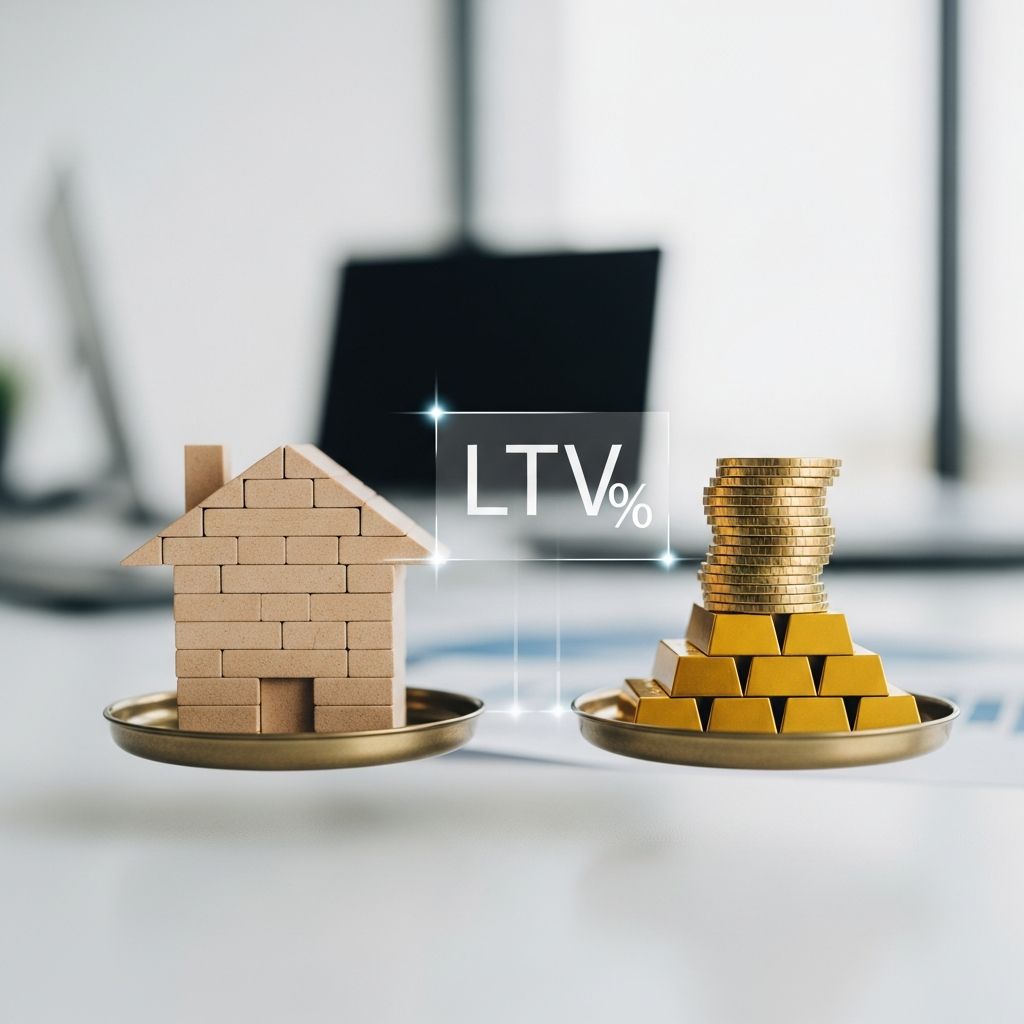
The loan-to-value (LTV) ratio is a critical metric in mortgage lending that compares the amount you borrow to the value of the property you’re purchasing. Lenders rely on this figure to gauge risk and determine loan eligibility, interest rates, and additional requirements like mortgage insurance.
Defining the Loan-to-Value Ratio
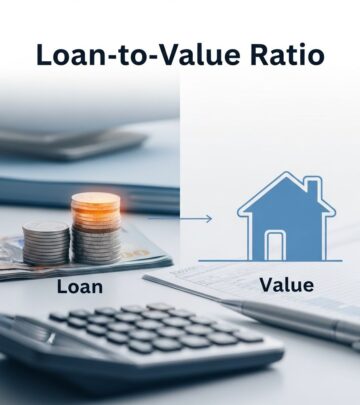
At its core, the LTV ratio expresses the loan principal as a percentage of the property’s appraised value or purchase price, whichever is lower. For instance, borrowing $400,000 on a $500,000 home yields an 80% LTV because $400,000 divided by $500,000 equals 0.8, or 80%. This simple calculation helps lenders assess how much skin you have in the deal—your equity stake reduces their exposure if you default.
LTV matters because higher ratios signal greater risk to lenders. A borrower with minimal down payment (high LTV) leaves less cushion for property value drops, increasing the chance of the loan exceeding the home’s worth, known as being underwater. Conversely, low LTVs unlock better terms, including lower rates and waived insurance premiums.
How to Compute Your LTV Accurately
Calculating LTV is straightforward with this formula: (Loan Amount ÷ Property Value) × 100. Property value uses the lower of the appraisal or purchase price.
Consider a $450,000 loan for a $500,000 house: ($450,000 ÷ $500,000) × 100 = 90% LTV. Down payments directly lower LTV; a 20% down payment on that home drops the loan to $400,000, yielding 80% LTV.
For refinances, use the current loan balance against the updated appraisal. Tools like online calculators can simulate scenarios, but always verify with lender appraisals for precision.
Lender Thresholds Across Loan Types
Lenders set maximum LTV limits based on loan programs, balancing accessibility with risk. Here’s a breakdown:
| Loan Type | Max LTV | Key Notes |
|---|---|---|
| Conventional | 80%-97% | PMI required above 80%; optimal under 80% for best rates |
| FHA | 96.5% | Low down payments (3.5%); MIP mandatory |
| VA | 100% | No down payment for eligible veterans; funding fee applies |
| USDA | 100% | Rural areas only; income limits apply |
| Refinance | 80% | Often requires appraisal; cash-out higher risk |
These caps ensure lenders can recover funds via foreclosure if needed. Conventional loans favor LTVs below 80% to skip private mortgage insurance (PMI), saving borrowers hundreds monthly. Government-backed options like FHA and VA extend higher LTVs to promote homeownership.
Why Lower LTVs Lead to Superior Loan Terms
Aim for the lowest feasible LTV to minimize costs and maximize approval odds. Below 80% often eliminates PMI, which adds 0.5%-1% annually to your loan balance for conventional loans. Lower LTVs also secure prime interest rates, potentially shaving thousands off lifetime interest.
- Interest Rate Savings: An 80% LTV might qualify for 0.25%-0.5% lower rates than 95%.
- No PMI Burden: Threshold at 80% for most programs.
- Higher Approval Rates: Conservative LTVs appeal to risk-averse lenders.
- Equity Buffer: Protects against market dips.
Borrowers with strong credit and low debt-to-income ratios can push LTV limits higher, but equity remains king.
Strategies to Reduce Your LTV Ratio
Improving LTV boosts your borrowing power. Key tactics include:
- Increase Down Payment: Save 20% upfront; gifts or grants count for many programs.
- Shop for Accurate Appraisals: Higher valuations lower LTV; challenge low ones with comps.
- Pay Down Existing Debt: For refinances, reduce balances first.
- Add Co-Borrower Funds: Combine resources to boost equity.
- Choose Pricey Neighborhoods: Strong appreciation potential aids future LTV.
Timing matters—boost savings via high-yield accounts or side gigs months before applying.
Combined LTV: Handling Multiple Loans
When properties have piggyback loans or seconds, use combined LTV (CLTV). Formula: (Total Loans ÷ Property Value) × 100.
Example: $100,000 home with $50,000 first mortgage (50% LTV) plus $20,000 second (total 70% CLTV). Lenders cap CLTV lower, often 75%-90%, to account for layered risk. This metric is vital for home equity lines (HELOCs) or cash-out refinances.
Impacts of High LTV on Borrowers
Exceeding 80% triggers PMI or MIP, inflating payments. High LTVs risk negative equity if values fall 10%-20%, complicating sales or refinances. Default rates climb with LTVs over 90%, per historical data. Mitigate by building reserves and monitoring markets.
FAQs on LTV Ratios
What counts as a good LTV?
Under 80% is ideal for avoiding PMI and securing top rates; 60% or less offers elite terms.
Does LTV affect interest rates?
Yes, lower LTVs mean less risk, yielding better rates—often 0.5% savings.
Can I avoid PMI with high LTV?
Limited options; FHA/VA have built-in insurance instead.
How does appraisal impact LTV?
Lower appraisals raise LTV; appeal with evidence.
What’s CLTV vs. LTV?
CLTV aggregates all liens; stricter limits apply.
Navigating LTV in Today’s Market
Volatile housing means proactive LTV management. Pre-approvals reveal your ratio early, guiding offers. Consult lenders for program-specific caps, as they evolve with economic shifts. Strong credit pairs with low LTV for unbeatable terms.
Ultimately, mastering LTV empowers informed decisions, turning homebuying hurdles into opportunities for wealth-building equity.
References
- Loan-to-Value Ratio Definition: What Does LTV Mean? — Gate City Bank. 2023. https://www.gatecity.bank/education/glossary/loan-to-value-ratio/
- Understanding Loan-To-Value (LTV) Ratio and Why It Matters — The Federal Savings Bank. 2023. https://www.thefederalsavingsbank.com/Blog/understanding-loan-to-value-ltv-ratio-and-why-it-matters/
- What Is A Loan-To-Value Ratio? – Bankrate — Bankrate. 2025-03-15. https://www.bankrate.com/mortgages/what-is-loan-to-value-ratio-ltv/
- Loan-to-value ratio – Wikipedia — Wikipedia. 2026-03-30. https://en.wikipedia.org/wiki/Loan-to-value_ratio
- What Is Loan-to-Value (LTV) Ratio? | PNC Insights — PNC Bank. 2024. https://www.pnc.com/insights/personal-finance/borrow/what-is-ltv.html
- Understanding Loan-to-Value Ratio (LTV) – Chase Bank — Chase. 2024. https://www.chase.com/personal/mortgage/education/financing-a-home/loan-to-value-ratio
Similar Articles








Read full bio of Sneha Tete