Ltd (Limited): Definition, Structure, and Business Benefits
Understanding Limited Companies: Legal Structure, Liability Protection, and Business Advantages
What is Ltd (Limited)?
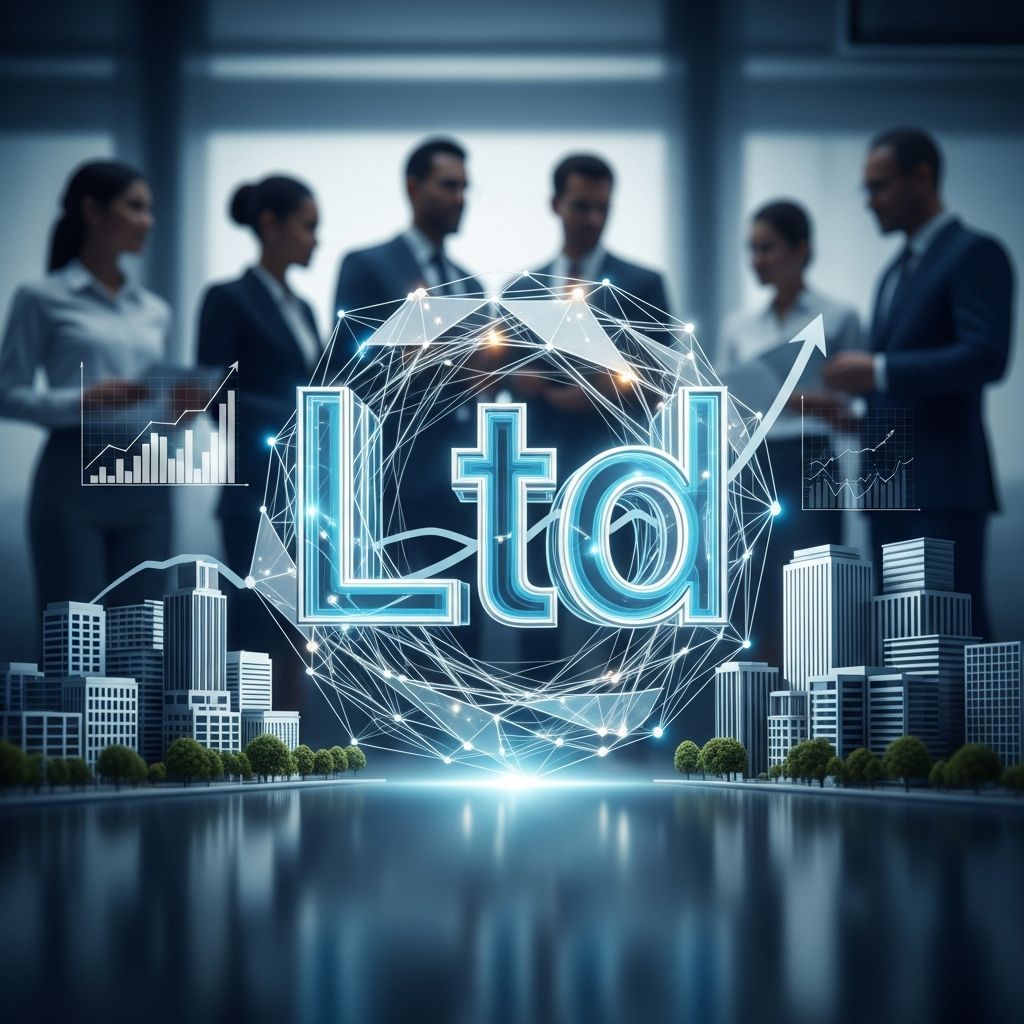
Ltd, which stands for Limited, is a designation used to indicate that a business organization is a limited company. This term is commonly used in countries following the British legal system, including the United Kingdom, Canada, Australia, and other Commonwealth nations. A limited company is a business structure where the liability of the company’s shareholders is restricted or limited to the amount they have invested in the company. The “Ltd” suffix in a company’s name is a legal requirement that signals to customers, creditors, and other stakeholders that the business operates as a limited entity with defined liability boundaries.
The concept of a limited company emerged during the industrial revolution as a means to facilitate large-scale business ventures while protecting individual investors from unlimited personal liability. This structure has become one of the most popular forms of business organization worldwide, enabling entrepreneurs and investors to establish and grow businesses with reduced personal financial risk.
Understanding Limited Liability
The cornerstone of a limited company is the concept of limited liability. This means that shareholders’ personal assets are generally protected from the company’s debts and legal obligations. If the company faces financial difficulties, creditors can only pursue the company’s assets, not the personal property of individual shareholders. This protection extends to each shareholder’s investment in the company, meaning that in the worst-case scenario, a shareholder can only lose the amount they have invested.
Key Liability Protection Features:
- Personal Asset Protection: Shareholders’ personal homes, vehicles, and savings are typically not at risk if the company goes bankrupt or faces litigation
- Creditor Limitations: Creditors must pursue claims against company assets first, not against individual shareholders
- Legal Separation: The company is recognized as a separate legal entity, distinct from its owners
- Exception Clauses: Limited liability may be pierced in cases of fraud, misconduct, or when shareholders personally guarantee company debts
Structure and Ownership of Limited Companies
A limited company typically has a hierarchical structure that includes shareholders, a board of directors, and company management. Shareholders are the owners of the company and hold shares representing their ownership stake. The board of directors, elected by shareholders, oversees the company’s strategic direction and major decisions. The management team, headed by a chief executive officer or managing director, handles day-to-day operations.
Limited companies can be privately held or publicly traded. Private limited companies (often designated as Ltd in the UK and other Commonwealth nations) have restricted share transfers and typically have fewer shareholders. Public limited companies (Plc in the UK) trade shares on public stock exchanges and are subject to additional regulatory requirements and public disclosure obligations.
Advantages of Limited Company Structure
The limited company structure offers numerous benefits that make it an attractive choice for entrepreneurs and investors:
Financial and Legal Benefits:
- Limited Liability Protection: The most significant advantage is the shield against personal liability, allowing owners to take calculated business risks
- Enhanced Credibility: The Ltd designation enhances business credibility with customers, suppliers, and financial institutions
- Easier Fundraising: Limited companies can more readily attract investment capital from both external investors and financial institutions
- Perpetual Succession: The company continues to exist even if an owner or shareholder dies or sells their shares
- Tax Benefits: Many jurisdictions offer tax advantages for limited companies, including potential for lower corporate tax rates compared to personal income taxes
- Asset Transfer: Shares in the company can be transferred to other parties without affecting the company’s operations
Disadvantages of Limited Company Structure
While limited companies offer substantial advantages, they also come with certain drawbacks and administrative requirements:
Challenges and Limitations:
- Administrative Burden: Limited companies require formal registration, ongoing compliance with regulatory requirements, and detailed record-keeping
- Cost and Complexity: Establishment costs are higher than simpler business structures, and professional services (accounting, legal) are often necessary
- Public Disclosure Requirements: Financial information and company details must be disclosed publicly through regulatory filings
- Reduced Privacy: Directors and shareholders information may be publicly available in company registries
- Double Taxation: Some jurisdictions impose both corporate and personal taxes on profits and dividends
- Regulatory Compliance: Companies must adhere to stringent regulations regarding meetings, record-keeping, and reporting
Limited Company vs. Other Business Structures
Understanding how limited companies compare to other business structures helps entrepreneurs choose the most appropriate organization form for their needs:
| Business Structure | Liability | Taxation | Complexity |
|---|---|---|---|
| Limited Company (Ltd) | Limited liability | Corporate tax rate | High |
| Sole Proprietorship | Unlimited liability | Personal income tax | Low |
| Partnership | Unlimited liability (general) | Personal income tax | Medium |
| Limited Liability Company (LLC) | Limited liability | Flexible | Medium |
Formation and Registration of Limited Companies
Establishing a limited company involves several formal steps and regulatory requirements. The process varies slightly depending on the jurisdiction, but generally includes the following components:
Steps to Form a Limited Company:
- Choose a Company Name: The name must be unique and comply with naming regulations in your jurisdiction
- Prepare Articles of Association: Draft the company’s governing documents outlining internal rules and procedures
- Register with Authorities: Submit registration documents to the appropriate government body (Companies House in the UK, for example)
- Obtain Registration Certificate: Upon approval, receive official documentation confirming the company’s legal status
- Register for Tax Purposes: Obtain a tax identification number and register with relevant tax authorities
- Open Business Bank Account: Establish a separate bank account for company finances
- Obtain Licenses and Permits: Secure any industry-specific licenses required to operate
Compliance and Regulatory Requirements
Limited companies are subject to comprehensive regulatory frameworks designed to protect shareholders, creditors, and the public. These requirements include annual financial reporting, corporate governance standards, and statutory compliance obligations.
Key Compliance Obligations:
- Annual Accounts Filing: Submit audited or unaudited financial statements to regulatory authorities
- Annual General Meetings: Hold shareholder meetings to approve financial results and elect directors
- Board Meetings: Maintain proper documentation of board decisions and meeting minutes
- Corporate Governance: Adhere to governance codes and best practices for director conduct and accountability
- Regulatory Filings: Submit various forms and declarations as required by company law
- Keep Records: Maintain comprehensive business records for a specified retention period
Taxation of Limited Companies
Tax treatment of limited companies varies significantly across jurisdictions but generally follows these principles: The company pays corporate income tax on its profits at the corporate tax rate. When profits are distributed to shareholders as dividends, shareholders may face additional personal income tax on those dividends. Some jurisdictions offer imputation or franking credits to reduce double taxation effects.
Tax planning is an important consideration for limited companies, and many seek professional accounting advice to optimize their tax position while remaining compliant with applicable laws.
Frequently Asked Questions (FAQs)
Q: What does Ltd mean in a company name?
A: Ltd stands for Limited and indicates that the company’s shareholders have limited liability for the company’s debts. It is a legal designation showing the company is a limited company structure.
Q: Can a limited company have only one owner?
A: Yes, many jurisdictions allow single-member limited companies. However, requirements vary by location—some countries require a minimum number of shareholders.
Q: What is the difference between Ltd and Plc?
A: Ltd (Limited) companies are typically private with restricted share transfers, while Plc (Public Limited Company) companies trade shares publicly on stock exchanges and have additional regulatory requirements.
Q: How much does it cost to form a limited company?
A: Formation costs vary by jurisdiction and typically include government registration fees (ranging from $50 to several hundred dollars) plus optional professional services for legal and accounting support.
Q: Can liability protection be removed from a limited company?
A: Yes, in certain circumstances such as fraud, personal misconduct, or when shareholders personally guarantee company debts, courts may pierce the corporate veil and expose personal assets.
Q: Are limited company accounts public?
A: Yes, limited companies must file annual financial statements with regulatory authorities, which become public records available for inspection by shareholders, creditors, and the general public.
References
- Companies House: Guidance on Limited Companies — UK Government, Companies House. Accessed 2025. https://www.gov.uk/company-information
- Company Law and Limited Liability Principles — International Bar Association. 2024. https://www.ibanet.org
- Business Structures and Legal Entity Types — Australian Securities and Investments Commission (ASIC). 2025. https://www.asic.gov.au
- Limited Companies: Formation and Compliance — Canadian Business Registry. 2024. https://www.ic.gc.ca
- Corporate Governance and Director Responsibilities — OECD Corporate Governance Committee. 2023. https://www.oecd.org/corporate-governance
Similar Articles








Read full bio of Sneha Tete