Lowest Credit Score: 300 Explained, 5 Recovery Steps
Discover the bottom of the credit score scale, its causes, impacts, and proven strategies to climb back up from rock bottom.

The lowest possible credit score across major models like FICO and VantageScore is 300, marking the bottom of a scale that runs up to 850. This score signals extreme risk to lenders, often stemming from severe negative events in one’s credit history. While rare, hitting this low point doesn’t mean permanent financial ruin—understanding its mechanics opens doors to recovery.
Decoding Credit Score Fundamentals
Credit scores quantify your creditworthiness based on history, payment behavior, debt levels, and account diversity. FICO, used by 90% of top lenders, sets its floor at 300 for general scores, though industry variants dip to 250. VantageScore mirrors this 300-850 range but categorizes “very poor” from 300-499 and “poor” at 500-600.
Not everyone has a score; “no score” occurs with insufficient data, like thin files from new immigrants or chronic non-borrowers. Lenders view this similarly to low scores, often denying credit until history builds.
Credit Score Ranges: A Comprehensive Breakdown
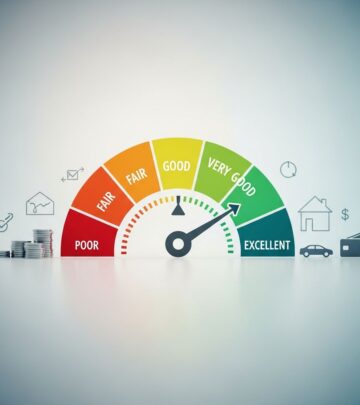
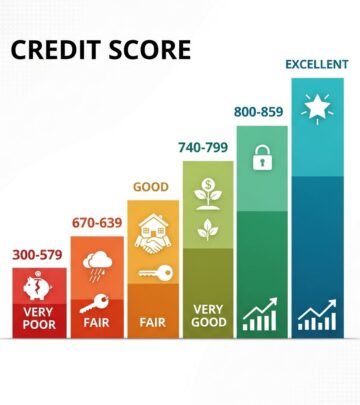
Different models classify ranges variably, but consensus highlights 300-579/580 as poor. Here’s how leading systems divide the spectrum:
| Range | FICO Label | VantageScore Label | Risk Level | Delinquency Odds |
|---|---|---|---|---|
| 300-579 | Poor | Very Poor (300-499) | High | ~59% |
| 580-669 | Fair | Poor (500-600) | Medium-High | ~27% |
| 670-739 | Good | Good | Medium | ~8% |
| 740-799 | Very Good | Very Good | Low | ~2% |
| 800-850 | Exceptional | Excellent | Very Low | ~1% |
Data drawn from FICO and Equifax analyses; poor ranges trigger denials or deposits for services.
Primary Culprits Behind the Lowest Scores
Scores plummet to 300 due to compounded negatives. Payment history dominates at 35% of FICO weights—chronic lates or misses tank it fastest.
- Delinquent Payments: Even one 90+ day late mark lingers 7 years; multiples accelerate drops.
- Bankruptcies and Defaults: Chapter 7 stays 10 years, Chapter 13 for 7; foreclosures similar.
- High Utilization: Maxed cards (over 30% utilization) signal distress, comprising 30% of scores.
- Thin or New Files: Short histories lack data, yielding low or no scores.
- Errors and Fraud: Inaccurate reports or identity theft inflate negatives if unchecked.
Public records like collections amplify damage, with recent activity hitting hardest as algorithms prioritize recency.
Real-Life Repercussions of a 300 Score
A bottom-tier score reshapes financial access profoundly. Lenders deem you high-risk, leading to outright rejections or punitive terms.
- Loan Denials: Mortgages, autos, personal loans evaporate; subprime options charge 20%+ APRs vs. 5-7% for excellent credit.
- Credit Card Barriers: Unsecured cards vanish; secured ones require deposits, limiting rebuilding.
- Housing Hurdles: Landlords reject via checks; some states regulate but low scores still disqualify.
- Employment Risks: Employers in finance/security review credit; poor marks raise red flags.
- Insurance Hikes: In permitted states, low scores correlate with claims, boosting auto/home premiums 20-50%.
Beyond finances, stress mounts—delayed life milestones like homeownership compound isolation.
Can Scores Hit Zero? Common Myths Busted
No legitimate model yields 0; 300 is the nadir. “No score” isn’t zero—it’s data absence. Older models allowed sub-300, but modern FICO/VantageScore standardize at 300. Myths persist from confusion with internal bank scores or thin files.
Pathways to Escape the Credit Abyss
Recovery demands discipline but yields results in months. Prioritize high-impact fixes:
- Secure Reports: Pull free weekly Equifax, Experian, TransUnion via AnnualCreditReport.com; dispute errors (1/5 reports flawed).
- Pay Diligently: Automate bills; negotiate lates with creditors for goodwill deletions.
- Lower Utilization: Keep balances <10%; request limits hikes sans inquiries.
- Build Positively: Secured cards, credit-builder loans, authorized user status on strong accounts.
- Time Heals: Negatives fade—most drop off in 7 years; focus sustains gains.
Track via free tools; scores rise 20-100+ points yearly with consistency.
Strategic Tools for Low-Score Recovery
| Tool | How It Helps | Pros | Cons |
|---|---|---|---|
| Secured Credit Cards | Collateral builds history | Easy approval, reports positively | Deposit tied up |
| Credit-Builder Loans | Payments to self via escrow | Guaranteed on-time history | Fees, locked funds |
| Experian Boost | Adds utility/phone payments | Instant 10-30 pt lift | Limited eligibility |
| Debt Management Plans | Consolidates via nonprofits | Lower rates, single payment | Account closures |
Select based on situation; combine for synergy.
Frequently Asked Questions
What exactly is the lowest credit score?
300 on FICO and VantageScore—the absolute floor for calculable scores.
Is a score under 500 recoverable?
Absolutely; timely actions like error fixes and secured credit lift scores steadily.
How long to rebound from 300?
3-12 months for 100+ points with perfect habits; full recovery varies by negatives.
Do all lenders shun 300 scores?
No—subprime outlets approve but at steep costs; shop wisely.
Can no credit equal low score impacts?
Yes; both signal risk, blocking approvals until history forms.
Long-Term Habits for Score Stability
Beyond fixes, cultivate resilience: diversify accounts (mix revolving/installment), limit inquiries (5% FICO weight), monitor monthly. Aim for 740+ for optimal terms—national average hovers 715. Consistent stewardship turns past pitfalls into future assets.
Low scores test resolve but illuminate growth paths. Proactive stewardship transforms liabilities into strengths, unlocking broader opportunities.
References
- What Is the Lowest Credit Score? | Capital One — Capital One. 2024. https://www.capitalone.com/learn-grow/money-management/lowest-credit-score/
- Understanding the Lowest Credit Score: What It Means for You — Oreate AI. 2024. https://www.oreateai.com/blog/understanding-the-lowest-credit-score-what-it-means-for-you/b59cd533c2b2ff603e6ad93865b732bc
- Understanding Your Credit: What is the Lowest Credit Score? — myFICO. 2024. https://www.myfico.com/credit-education/blog/lowest-credit-score
- Best and Worst Credit Scores Possible—and How Much It Matters — Lendio. 2024. https://www.lendio.com/blog/credit-scores-possible-matters
- What are the Different Ranges of Credit Scores? – Equifax — Equifax. 2024. https://www.equifax.com/personal/education/credit/score/articles/-/learn/credit-score-ranges/
Similar Articles








Read full bio of Sneha Tete