Lowest Credit Score: What 300 Means And How To Rebuild
Discover the absolute bottom of credit score ranges, why scores hit rock bottom, and proven strategies to climb back up from poor credit.

The lowest possible credit score across major models like FICO and VantageScore is 300, marking the bottom of a 300-850 scale used by most lenders to assess borrowing risk. This score signals high risk to creditors, often resulting in denied applications or steep interest rates, but it’s not a starting point—new credit users typically begin higher if they pay bills on time.
Decoding Credit Score Scales
Credit scores quantify your financial reliability based on credit report data. FICO, powering 90% of lending decisions, and VantageScore both bottom out at 300 for general-purpose models, though specialized FICO versions for autos or cards dip to 250. No score reaches zero; insufficient history means no score at all.
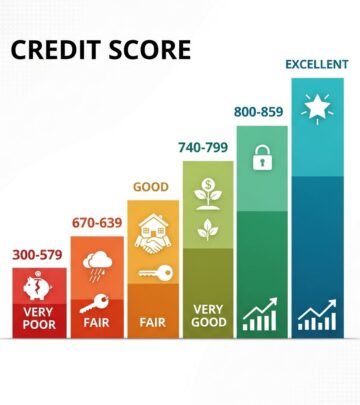
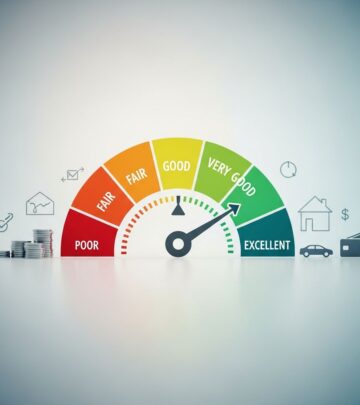
Average U.S. FICO scores hover around 717 as of late 2024, placing most in the ‘good’ category above 670. Scores below 580 (FICO) or 600 (VantageScore) fall into ‘poor,’ comprising about 16-20% of consumers and correlating with 59% delinquency risk.
| Range | FICO Score | VantageScore | Risk Level |
|---|---|---|---|
| Poor | 300-579 | 300-599 | High |
| Fair | 580-669 | 600-660 | Moderate |
| Good | 670-739 | 661-715 | Low |
| Very Good | 740-799 | 716-747 | Very Low |
| Exceptional | 800-850 | 748-850 | Minimal |
This table illustrates slight variations, but the 300 floor remains consistent. Lenders set their own thresholds; subprime loans accept scores near 300 at premium rates.
Why Credit Scores Plunge to the Bottom
Scores erode from negative behaviors or events. Payment history dominates at 35% of FICO weight—late payments over 30 days can slash dozens of points, persisting 7 years. High utilization (over 30% of limits) contributes 30%, while short credit history (15%) and new inquiries (10%) compound damage.
- Delinquencies and Collections: Unpaid debts in collections tank scores fastest, often pushing below 500.
- Bankruptcies: Chapter 7 stays 10 years, Chapter 13 for 7, crippling rebuilding.
- Foreclosures/Default: These public records signal extreme risk, delaying recovery 7 years.
- Fraud or Errors: Unauthorized accounts or mistakes inflate negatives if unreported.
Scores don’t start at 300; thin files yield mid-range starts (600s) with positive activity. Sustained negatives accumulate to hit bottom.
Real-Life Impacts of a 300 Score
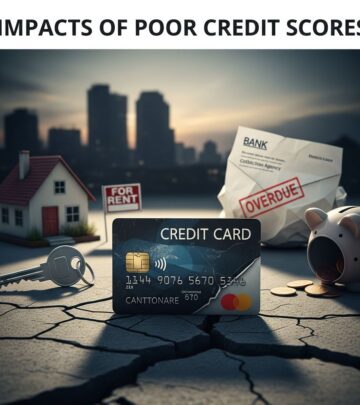
A bottom-tier score reshapes finances. Mortgages demand 620+; below, expect FHA with 3.5% down but higher costs. Auto loans require 600 minimally, but 300 qualifies for subprime at 15-20% APR versus 5% for good credit.
Credit cards shift to secured options needing deposits, with limits under $300 and rates above 25%. Rentals, jobs, and utilities may require deposits or cosigners. Insurance premiums rise 20-50% based on credit-linked risk models.
| Credit Need | Min Score for Prime Terms | 300 Score Outcome |
|---|---|---|
| Mortgage | 620-660 | Denial or subprime/high fees |
| Auto Loan | 600-660 | Subprime, 15%+ APR |
| Credit Card | 670+ | Secured card, high rates |
| Rental | 650+ | Deposit or guarantor |
Long-term, low scores foster debt cycles via high costs.
Pathways to Rebuild from the Lowest Scores
Recovery demands discipline over 6-12 months for 100-point gains. Prioritize:
- Verify Report Accuracy: Dispute errors free via AnnualCreditReport.com; fixes average 20-40 point boosts.
- Pay Bills Promptly: Automate to avoid lates; impact fades after 2 years.
- Lower Utilization: Keep balances under 10%; pay twice monthly.
- Add Positive Accounts: Secured cards or credit-builder loans report positives.
- Limit Applications: Hard inquiries drop 5-10 points; space 6 months.
Expect milestones: 580 in 3-6 months, 670 in 1-2 years with consistency.
Prevention: Safeguarding Against Score Collapse
Maintain above 670 by monitoring monthly via free tools. Diversify 3-5 accounts aged 7+ years, use <30% limits, and vary credit types. Freeze reports against fraud.
FAQs on Lowest Credit Scores
Can scores go below 300?
No for standard FICO/VantageScore (300-850); industry variants hit 250.
Is 300 recoverable?
Yes—timely payments, low utilization, and disputes rebuild over time.
Highest score possible?
850; only 1.5% achieve it.
No score means what?
Thin file; not zero—build history first.
Bad score forever?
No; negatives age off 7-10 years, positives build quickly.
Advanced Tactics for Faster Recovery
Beyond basics, become authorized user on strong-history cards (notify issuer). Use experiential credit lines like rent reporting (e.g., via apps partnering with bureaus). Debt management plans consolidate via nonprofits, avoiding bankruptcy. Track via apps showing simulated improvements.
Quantitative gains: Consistent habits yield +100 points yearly from 300.
References
- What’s the lowest credit score possible? – Lexington Law — Lexington Law. 2024. https://www.lexingtonlaw.com/blog/credit-101/lowest-credit-score.html
- Understanding Your Credit: What is the Lowest Credit Score? — myFICO. 2024. https://www.myfico.com/credit-education/blog/lowest-credit-score
- What Is the Lowest Credit Score? | Capital One — Capital One. 2024. https://www.capitalone.com/learn-grow/money-management/lowest-credit-score/
- What Is Considered A Bad Credit Score? | Bankrate — Bankrate. 2024-10. https://www.bankrate.com/credit-cards/bad-credit/bad-credit-score/
- Credit Scores | Consumer Advice — Federal Trade Commission (.gov). 2024. https://consumer.ftc.gov/credit-scores
- What are the Different Ranges of Credit Scores? – Equifax — Equifax. 2024. https://www.equifax.com/personal/education/credit/score/articles/-/learn/credit-score-ranges/
Similar Articles








Read full bio of Sneha Tete