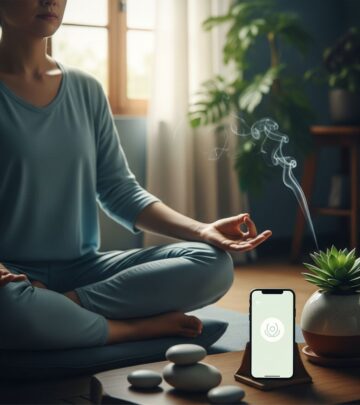
Low-Cost and Free Mental Health Services
Discover affordable and free mental health resources to support your well-being without breaking the bank.

Mental health support is essential, but therapy costs can be prohibitive. Fortunately, numerous low-cost and free services exist, from national hotlines to community programs and innovative financial therapy options, helping millions manage anxiety, depression, and financial stress without financial strain.
Why Mental Health Care Matters — And Why It’s Often Unaffordable
Mental health challenges affect daily life, work, and finances. According to the National Alliance on Mental Illness (NAMI), nearly 1 in 5 adults experience mental illness yearly, yet cost barriers prevent many from seeking help. Traditional therapy sessions average $100-$200, making alternatives crucial for accessible care.
Financial stressors exacerbate mental health issues, creating cycles of anxiety and compulsive behaviors like overspending or hoarding. Low-cost options break this cycle, promoting emotional and financial stability.
Free Mental Health Hotlines and Crisis Lines
Immediate, confidential support is available 24/7 through free hotlines. These services connect callers to trained counselors for crisis intervention, emotional support, and resource referrals.
- National Suicide Prevention Lifeline: Call or text 988 for suicide prevention and emotional distress. Available 24/7, this service has helped over 20 million people since 2005.
- Crisis Text Line: Text HOME to 741741 for free, 24/7 crisis counseling via text.
- National Alliance on Mental Illness (NAMI) Helpline: 1-800-950-NAMI (6264) offers information, referrals, and support for mental health concerns.
- Veterans Crisis Line: Dial 988 then press 1 for veterans and active military.
- Domestic Violence Hotline: 1-800-799-7233 for abuse survivors.
These lines provide judgment-free listening and de-escalation, often preventing hospitalizations and saving costs.
Low-Cost Community Mental Health Centers
Federally Qualified Health Centers (FQHCs) and community mental health centers offer sliding-scale fees based on income, sometimes free for uninsured individuals. The Health Resources and Services Administration (HRSA) oversees over 1,400 centers nationwide providing therapy, psychiatry, and counseling.
- Services include individual, group, and family therapy.
- Wait times vary; some offer same-day appointments.
- Find locations via HRSA’s locator.
State and local mental health departments also fund free or low-cost clinics, prioritizing underserved populations.
Free or Low-Cost Online Therapy and Apps
Digital platforms democratize access with affordable virtual care. Many offer free tiers or financial aid.
| Platform | Cost | Key Features |
|---|---|---|
| 7 Cups | Free listeners; paid therapists $150/session | Anonymous chat with trained listeners; therapist matching. |
| BetterHelp | $65-$90/week (financial aid available) | Unlimited messaging, live sessions; insurance not accepted but low-cost. |
| Talkspace | $69/week basic; $109/week with video | Text therapy; partners with employers/insurers for free access. |
| Wysa | Free AI chatbot; premium $4.99/month | AI coping tools based on CBT principles. |
| Moodfit | Free basic; $9.99/month premium | Self-guided mood tracking and exercises. |
These apps use evidence-based methods like cognitive-behavioral therapy (CBT), ideal for mild anxiety or maintenance between professional sessions.
Support Groups and Peer Counseling
Peer-led groups provide community and shared experiences at no cost.
- Alcoholics Anonymous (AA)/Narcotics Anonymous (NA): Free meetings worldwide for substance use.
- Al-Anon: For families of alcoholics.
- NAMI Support Groups: Free for those with mental illness or loved ones.
- Anxiety and Depression Association of America (ADAA) Groups: Online and in-person peer support.
- DBSA (Depression and Bipolar Support Alliance): Weekly peer groups.
Studies show peer support reduces symptoms by 20-30% and prevents isolation.
University and Training Clinics
Psychology and social work graduate programs offer therapy by supervised trainees at $10-$30/session or free.
- Search via APPIC directory for internships.
- Benefits: Latest techniques, extended sessions, no insurance needed.
- Drawbacks: Longer waitlists, cancellations possible.
These clinics treat diverse issues, from trauma to financial anxiety.
Financial Therapy for Money-Related Mental Health Issues
Money evokes strong emotions, fueling disorders like compulsive spending, gambling, or hoarding. Financial therapists address the emotional roots of financial behaviors.
Common issues include:
- Compulsive spending and gambling.
- Money hoarding and avoidance.
- Anxiety, shame, or trauma around finances.
- Couples’ conflicts over money.
- Childhood-learned habits sabotaging success.
Unlike financial advisors (numbers-focused) or traditional therapists (general mental health), financial therapists target money emotions. Certification via Financial Therapy Association ensures expertise.
Find certified professionals through the FTA directory, filtering by location and orientation. Sessions cost $100-$250 but some offer sliding scales.
Hoarding, affecting 6%-36% yearly, links to anxiety, depression, and trauma. Financial therapy helps reframe self-worth beyond possessions.
Free Mental Health Resources for Specific Groups
Veterans and Military
VA offers free counseling via Make the Connection and Vet Centers.
LGBTQ+ Community
The Trevor Project: 1-866-488-7386 for youth crisis.
College Students
Many campuses provide free counseling; off-campus via CAPS.
Low-Income Families
Head Start and WIC include mental health screenings and referrals.
Employee Assistance Programs (EAPs)
Many employers offer free, confidential counseling sessions (3-8 per issue) through EAPs. Covers stress, family issues, and financial worries. Check HR for access; often includes legal/financial advice.
Government Programs: Medicaid and CHIP
Medicaid covers mental health for low-income individuals; 42 states expanded to include more adults. CHIP aids children. Apply via HealthCare.gov.
Self-Help and Wellness Apps with Free Tiers
- Headspace: Free meditation for anxiety.
- Calm: Sleep stories and breathing exercises.
- Insight Timer: 100,000+ free guided meditations.
- Sanvello: Free CBT tools and peer support.
Frequently Asked Questions (FAQs)
What if I can’t afford therapy?
Use free hotlines like 988, community clinics, or apps like 7 Cups for immediate support.
Is online therapy effective?
Yes, studies show virtual CBT matches in-person results for many conditions.
How do I find a financial therapist?
Search the Financial Therapy Association directory and verify certification.
Are support groups really helpful?
Peer groups reduce isolation and symptoms, per NAMI research.
What about medication?
Community health centers provide low-cost psychiatric evaluations and generics.
Taking the First Step
Overcoming stigma starts with one call or app download. Combining free resources with self-care builds lasting resilience. Track progress in a journal and revisit options as needs evolve.
References
- Hoarding and Healing | Financial Therapy — The Finance Therapist. 2023. https://thefinancetherapist.com/hoarding-and-healing-financial-therapy/
- What Is a Financial Therapist — and Do You Need One? — The Penny Hoarder. 2024-10-15. https://www.thepennyhoarder.com/save-money/financial-therapist/
- Find a Health Center — Health Resources and Services Administration (HRSA). 2025-01-01. https://findahealthcenter.hrsa.gov/
- Mental Health Information — National Alliance on Mental Illness (NAMI). 2025. https://www.nami.org/
- Financial Therapy Association Directory — Financial Therapy Association. 2024. https://financialtherapyassociation.org/
Similar Articles








Read full bio of Sneha Tete