Lost Debit Card? Essential Steps to Safeguard Your Funds
Discover immediate actions to take when your debit card vanishes, from locking it to disputing charges, ensuring your money stays secure.

When your debit card disappears, panic can set in quickly since it provides direct access to your bank account. Acting swiftly is crucial to prevent unauthorized transactions that could drain your funds. This guide outlines a comprehensive action plan, drawing from established financial practices to help you secure your money, replace the card, and recover smoothly.
Understanding the Risks of a Missing Debit Card
Unlike credit cards, debit cards link straight to your checking or savings account, meaning fraudulent use hits your personal money immediately. Thieves can make purchases, withdraw cash, or set up recurring payments. Federal regulations offer protection, but only if you report the loss promptly—typically limiting your liability to $50 or less if notified within two business days.
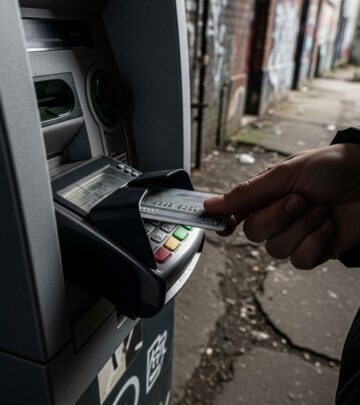
Common scenarios include misplacing the card at a store, leaving it in an ATM, or having it stolen from a wallet. Regardless of how it happened, the priority is stopping potential misuse before it occurs.
Step 1: Secure the Card Instantly by Locking It
The very first move is to lock your debit card through your bank’s mobile app or online portal. Many institutions, such as Wells Fargo and Capital One, provide this feature, allowing you to temporarily disable the card without fully canceling it. This blocks new transactions while permitting existing recurring payments like rent or utilities to process, though confirm with your bank.
- Access your app: Log in and navigate to card controls or security settings.
- Toggle lock: Switch it off if you find the card later.
- Benefits: Prevents ATM withdrawals, POS purchases, and online use instantly.
If your bank lacks this option, proceed directly to reporting the loss by phone. Locking buys you time to search without exposure.
Step 2: Notify Your Bank or Credit Union Without Delay
Contact your financial institution immediately using the number on their website, app, or your last statement. For 24/7 support, major banks like Bank of America (800-432-1000) and Wells Fargo (1-800-869-3557) have dedicated lines. Explain the situation clearly: when and where you last used the card, and any suspicious activity noticed.
Your bank will deactivate the card, investigate recent transactions, and initiate a replacement. Expect a new card within 7-10 business days, often with a new PIN. Some banks offer temporary virtual cards for online needs or branch-issued placeholders.
| Bank Example | Report Method | Phone Number |
|---|---|---|
| Bank of America | App, Online, Phone | 800-432-1000 |
| Wells Fargo | App, Online, Phone | 1-800-869-3557 |
| Capital One | App, Website, Phone | 1-800-655-2265 |
Fees for replacements vary ($5-30), but many waive them for fraud cases.
Step 3: Vigilantly Monitor Your Account Activity
After locking and reporting, review your account statements online or via app for unauthorized charges. Look for unfamiliar merchants, odd times, or amounts. Set up transaction alerts if not already enabled to get real-time notifications.
Dispute any suspicious transactions promptly. Under the Electronic Fund Transfer Act (EFTA), you’re protected if you report within 60 days. Document everything: screenshots, dates, and amounts.
- Daily checks: Balance and recent activity.
- Alerts setup: SMS or push notifications for all transactions.
- Freeze options: Some apps allow additional holds on account transfers.
Step 4: Document Everything in Writing
Follow up your phone call with an email or certified letter to the bank’s fraud department. Include your account number, report date/time, card last seen details, and phone confirmation reference. Retain copies for your records.
This creates a paper trail essential for disputes, insurance claims, or legal protection. Sample template: “I am writing to confirm my [date/time] report of lost debit card ending in XXXX. Please deactivate and replace.”
Step 5: Place a Fraud Alert or Credit Freeze if Needed
Debit card loss can signal broader identity theft risks. Contact Equifax, Experian, and TransUnion to add a free fraud alert to your credit file, requiring verification for new accounts. For extra caution, freeze your credit reports to block unauthorized inquiries.
- Fraud alert: Lasts 1 year, free.
- Credit freeze: Free, reversible via phone/online.
- Identity theft report: File at IdentityTheft.gov for recovery plan.
Handling Suspected Theft: Involve Law Enforcement
If you suspect theft—e.g., via forced ATM skimming or wallet snatch—file a police report immediately. Provide card details and any evidence. This report strengthens your bank’s fraud investigation and may be required for reimbursement.
Notify the bank of the police report number. Change all related passwords: online banking, email, and apps. Enable two-factor authentication everywhere.
Replacing Your Card and Restoring Access
Once reported, your bank ships a replacement. Activate it via app, ATM, or phone upon arrival. Select a new, secure PIN—avoid birthdays or patterns.
Update linked services: PayPal, Venmo, subscriptions, direct deposits. Temporarily use checks, cash, or credit if available. Visit a branch for instant cash access in some cases.
Preventing Future Losses: Best Practices
Build habits to avoid repeats:
- Digital wallets: Store card in Apple Pay/Google Pay for phone-based payments.
- RFID blockers: Wallets shielding chip data from scanners.
- Card tracking: Apps like those from N26 for location if supported.
- Duplicates: Keep emergency contacts and secondary cards.
- Regular audits: Monthly statement reviews.
Consider banks with advanced controls: instant locks, spending limits, and AI fraud detection.
Your Legal Rights and Liability Limits
U.S. federal law caps debit card liability:
| Reporting Timeline | Max Liability |
|---|---|
| Within 2 business days | $50 |
| 2 days to 60 days | $500 |
| After 60 days | Full amount |
Act fast to minimize risk. Banks must investigate within 10 days and provisionally credit funds during review.
FAQs: Common Questions About Lost Debit Cards
Can I still access money without my debit card?
Yes—use ATM “cardless” options, branch visits, app transfers, or wire services.
What if unauthorized charges appear before I report?
Dispute them; you’re protected if reported timely.
How long for a replacement card?
Typically 5-10 business days; expedited options may cost extra.
Does locking stop recurring payments?
Usually no, but verify with your bank.
Should I close my account?
Not necessary unless repeated fraud; monitor and change details instead.
Long-Term Financial Protection Strategies
Beyond immediate steps, integrate security into daily life. Use budgeting apps tracking spends, opt for credit over debit for purchases (rewards + fraud buffer), and review credit reports annually via AnnualCreditReport.com. Educate family on protocols if shared accounts exist.
In a digital age, cybersecurity matters: avoid public Wi-Fi for banking, use VPNs, and beware phishing. Banks increasingly offer biometric logins and transaction geofencing for added layers.
By following this roadmap, a lost debit card becomes a minor hiccup, not a crisis. Stay proactive to keep finances resilient.
References
- 4 Immediate Measures To Take After Losing Your Debit Card — F&M Bank. 2023. https://www.fmbnc.com/4-immediate-measures-to-take-after-losing-your-debit-card
- What to do If you lose your debit card: Immediate steps — N26. 2024. https://n26.com/en-eu/blog/lost-debit-card
- What to do if your Card is Lost or Stolen? — Bank Forward. 2024. https://bankforward.com/learning-center/what-to-do-if-your-card-is-lost-or-stolen/
- Lost or Stolen Credit, ATM, and Debit Cards — Federal Trade Commission (FTC). 2025-03-15. https://consumer.ftc.gov/lost-or-stolen-credit-atm-debit-cards
- Lost Debit Card? Here’s What to Do Next — NerdWallet. 2025. https://www.nerdwallet.com/banking/learn/debit-card-missing
- Report a Lost or Stolen Wallet — Wells Fargo. 2026. https://www.wellsfargo.com/help/lost-wallet/
Similar Articles








Read full bio of medha deb