Locate Your Student Loan Balance: Essential Guide For Borrowers
Discover reliable methods to uncover your federal and private student loan balances for smarter debt management and repayment strategies.
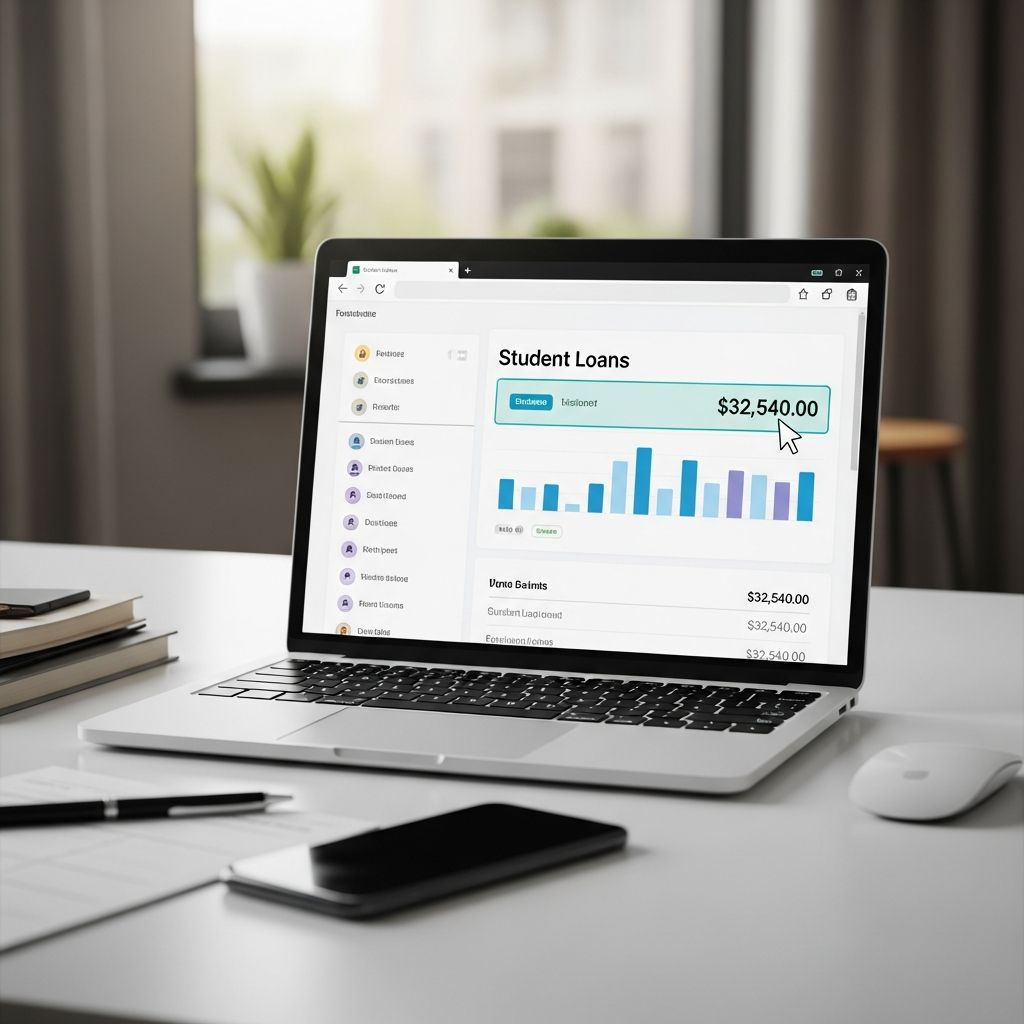
Tracking your student loan balance is essential for effective financial planning, whether you’re preparing to repay, exploring forgiveness options, or considering refinancing. Federal loans can be accessed through centralized government portals, while private loans require direct contact with lenders or servicers. This guide outlines proven methods to retrieve accurate balances, understand loan details, and maintain oversight of your debt.
Understanding Student Loan Types and Their Balances
Student debt typically falls into two categories: federal and private. Federal loans, such as Direct Subsidized, Unsubsidized, and PLUS loans, are managed by the U.S. Department of Education and offer standardized access points. Private loans, issued by banks or financial institutions, vary by lender and often demand individualized inquiries. Knowing your loan type determines the best retrieval method, as balances include principal, accrued interest, and potential fees.
A loan balance represents the total outstanding amount, including principal and interest. Loan status—such as in repayment, deferment, or forbearance—affects how balances update and what payment obligations apply.
Finding Federal Student Loan Balances
The primary hub for federal student loans is the Federal Student Aid (FSA) website, providing a comprehensive dashboard for all borrowers.
Navigating the StudentAid.gov Portal
Create or log in with your FSA ID at StudentAid.gov to access your dashboard. This reveals a loan summary displaying total balances, interest rates, loan types, and servicer details. Drill down into specific loans for disbursement dates, outstanding interest, and repayment plans. If you’ve forgotten credentials, reset via email or phone directly on the site.
- Log in to view aggregated federal loan data instantly.
- Identify servicers listed under ‘My Loan Servicers’ for further details.
- Monitor real-time updates on balances and status changes.
Engaging with Loan Servicers
Servicers handle day-to-day management, including billing and payments. Assigned by the Department of Education, they offer portals for precise, up-to-date balances. Visit your servicer’s site, log in, and check dashboards for payoff quotes including principal, interest, and fees. For immediate assistance, call the servicer or the FSA Information Center at 1-800-433-3243.
Pro tip: Servicer portals update balances daily, surpassing credit report accuracy for current figures.
Consulting Your School’s Financial Aid Office
Current or recent students can approach their institution’s financial aid office. They receive disbursement records and can confirm servicer details, payment applications, and balances—ideal for verifying funds were correctly allocated.
Retrieving Private Student Loan Balances
Private loans lack a unified portal, requiring lender-specific actions for the most reliable data.
Accessing Lender Online Portals
Most private lenders provide secure online accounts. Log in to view balances, interest accrual, payment histories, and due dates. Enable notifications for statements and updates to stay proactive.
Reviewing Statements and Direct Contact
Monthly statements, sent via email or mail, detail current balances, next payments, interest rates, and fees. If access issues arise, call customer service for verbal quotes or mailed confirmations.
Leveraging Credit Reports for Discovery
Credit reports list all student loans, federal and private, under the accounts section, revealing lender names, balances, and payment histories. Request free weekly reports from AnnualCreditReport.com or individual bureaus (Equifax, Experian, TransUnion). This method excels for locating unknown lenders but may lag in real-time accuracy—always verify with the servicer.
| Method | Best For | Pros | Cons |
|---|---|---|---|
| StudentAid.gov | Federal loans | Centralized, free, detailed summaries | Requires FSA ID |
| Loan Servicer Portal | Real-time updates | Most accurate payoff amounts | Multiple logins if multiple servicers |
| Credit Report | Finding unknown lenders | Free, shows all debts | May not reflect latest payments |
| School Aid Office | Current students | Quick verification | Limited to enrolled/recent attendees |
Addressing Zero or Unexpected Balances
A $0 balance might indicate payoff, forgiveness eligibility, or errors. Confirm via FSA dashboard or servicer. Explore programs like Public Service Loan Forgiveness (PSLF) or Teacher Loan Forgiveness if applicable. For discrepancies, request payoff statements.
Strategies for Ongoing Loan Monitoring
Consistent tracking prevents surprises and optimizes repayment.
- Establish Online Accounts: Link all servicers for one-click access and auto-payments.
- Automate Alerts: Receive texts/emails for due dates, rate changes, or balance shifts.
- Maintain Records: Archive statements and create spreadsheets tracking loans, rates, and payments.
- Review Quarterly: Cross-check portals against credit reports periodically.
Repayment Acceleration Techniques
Once balances are known, accelerate payoff to minimize interest.
- Biweekly Payments: 26 half-payments equal 13 full ones yearly, reducing principal faster.
- Service Programs: AmeriCorps Segal Award or military benefits offer forgiveness or rate reductions.
- Refinancing: Consolidate private loans for lower rates, but note federal benefit loss.
Frequently Asked Questions
How often should I check my student loan balance?
Monthly via portals, quarterly against credit reports, especially before payments or status changes.
What if I can’t remember my FSA ID?
Reset on StudentAid.gov using email/phone; create one if new.
Do credit reports show exact balances?
They approximate; contact servicers for precise figures.
Can schools help alumni with balances?
Limited to recent records; prioritize FSA or servicers.
What indicates a paid-off loan?
$0 balance on dashboard; request confirmation letter.
Conclusion
Mastering your student loan balance empowers informed decisions, from budgeting to forgiveness pursuits. Start with StudentAid.gov for federal loans, lender portals for private, and credit reports as backups. Regular monitoring and strategic payments pave the path to debt freedom.
References
- Manage Loans | Federal Student Aid — U.S. Department of Education. 2026-02-06. https://studentaid.gov/h/manage-loans
- How do I find out information about my student loans? — Consumer Financial Protection Bureau. 2026-02-06. https://www.consumerfinance.gov/ask-cfpb/how-do-i-find-out-information-about-my-student-loans-en-613/
- How can I find out the remaining balance on my loan? — Federal Student Aid. 2026-02-06. https://studentaid.gov/help-center/answers/article/how-to-find-remaining-balance-to-pay-off-loan
- 3 Ways To Check Your Student Loan Balance — Bankrate. 2026-02-06. https://www.bankrate.com/loans/student-loans/check-student-loan-balance/
- How to Check Student Loan Balance: A Step-by-Step Guide — Student Loan Professor. 2026-02-06. https://www.studentloanprofessor.com/how-to-check-student-loan-balance/
Similar Articles








Read full bio of Sneha Tete