Loaner Vehicles Guide: Costs, Eligibility, Duration, And Tips
Discover how loaner vehicles keep you mobile during repairs, from eligibility rules to hidden costs and smart strategies for maximum coverage.
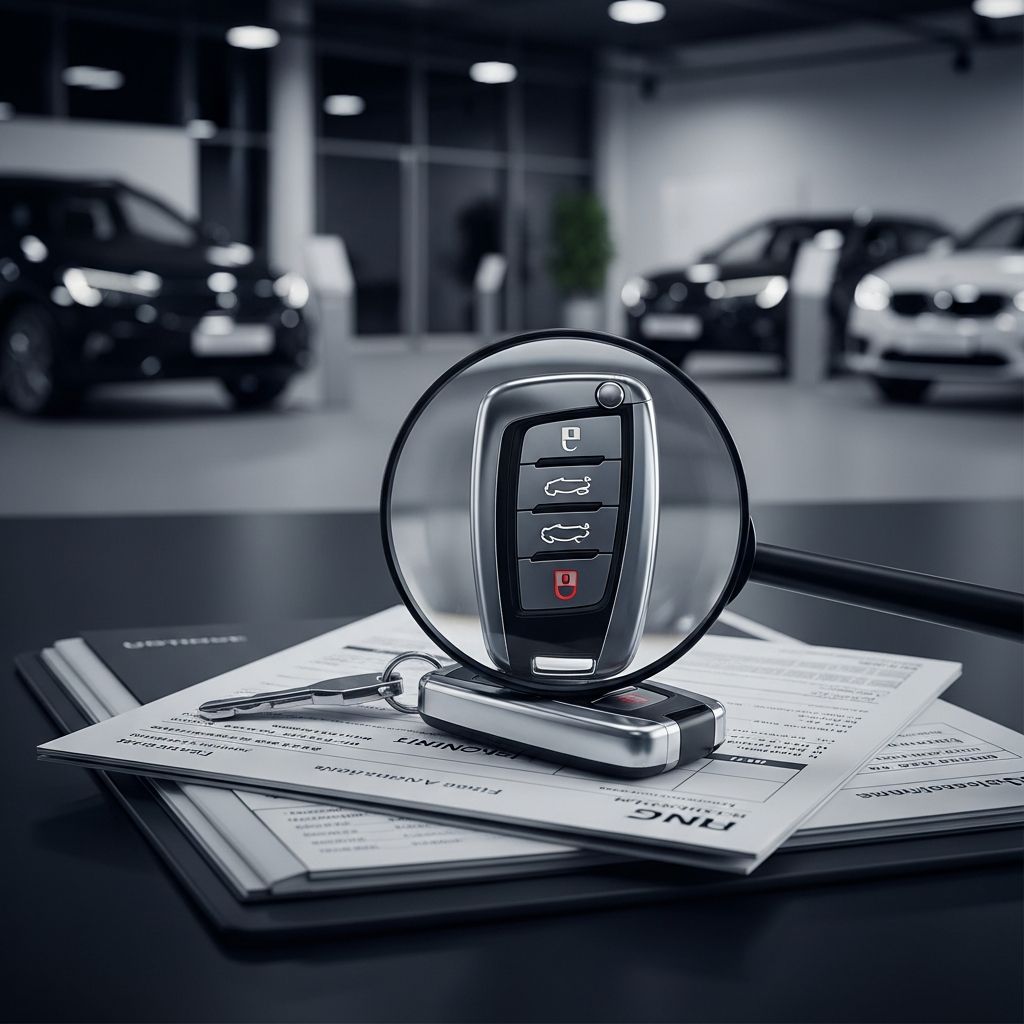
Temporary replacement cars, often called loaner vehicles, provide essential mobility when your primary car is sidelined for repairs. These vehicles bridge the gap between breakdown and return to normal driving, offered by insurance companies, repair facilities, or dealerships under specific conditions.
Defining Loaner Vehicles in Modern Auto Care
A loaner vehicle serves as a stand-in automobile supplied gratis or via policy coverage while your car undergoes maintenance or collision fixes. Unlike standard rentals, these are courtesy provisions tied directly to service timelines, minimizing out-of-pocket expenses for everyday commuters.
Providers distinguish loaners from hire cars: loaners align strictly with repair periods, whereas hire options extend to total losses or theft scenarios. This nuance affects availability and vehicle class, with basic loaners typically featuring compact, fuel-efficient models suitable for urban errands.
- Compact sedans or hatchbacks form the bulk of standard offerings, prioritizing economy over luxury.
- Upgraded policies unlock family-sized or automatic transmission variants for broader needs.
- Availability hinges on local stock from partnered garages or rental fleets.
Eligibility Criteria for Securing a Loaner
Not all situations qualify for a loaner vehicle. Insurers mandate comprehensive coverage and use of approved repair networks to activate this perk. Fault in accidents rarely disqualifies claimants with full policies, extending benefits even in at-fault collisions.
| Scenario | Eligible? | Conditions |
|---|---|---|
| Collision repair | Yes | Approved shop; comprehensive policy |
| Theft or total loss | No (standard loaner) | Upgrade to hire car needed |
| Routine service | Sometimes | Dealership warranty; proof of insurance |
| At-fault accident | Yes | Full coverage; fuel costs only |
Repair shops independently offer loaners for warranty work or minor services, requiring only a valid license and insurance verification. Dealerships often provide higher-end models to entice upgrades, blending service with subtle sales tactics.
Step-by-Step Process to Obtain Your Loaner
Initiating a loaner request starts post-incident assessment. Contact your insurer immediately after an accident or schedule confirmation for maintenance. Technicians deem your car undrivable, triggering provider coordination.
- File claim with insurer, detailing damage extent.
- Select or accept an approved repair center.
- Receive loaner upon drop-off, subject to geographic stock.
- Drive responsibly, adhering to mileage norms.
- Return promptly upon repair completion notification.
Delivery timelines vary: urban areas boast quicker access, while rural spots face delays. Pro tip: inquire about upgrades early if needing space for passengers or cargo.
Duration and Mileage Limits Explained
Loaners last precisely as long as repairs, from days for dents to weeks for engine overhauls. Policies cap this at repair estimates, with extensions rare absent justification. No universal mileage ceiling exists, but insurers monitor via odometer checks to curb abuse.
Expect fair-use guidelines: daily commutes and essentials covered, vacations not. Exceeding norms risks fees or early termination. Track usage meticulously, syncing returns with shop alerts via app or text.
Financial Aspects: Costs, Coverage, and Upgrades
Standard loaners incur zero rental fees under comprehensive plans—you cover fuel alone. Deductibles influence indirectly via overall claim processing. Optional endorsements elevate perks: larger vehicles, longer terms, or total-loss extensions.
- Basic Coverage: Group A compact (e.g., 1.0L manual).
- Upgrade Plus: Family saloons with automatics.
- Hire Car Add-On: Extends to write-offs (14-28 days max).
Compare via policy documents; “subject to availability” clauses mean no guarantees, prompting backups like rideshares. Insurers like those partnering with ICBC exemplify variable regional rules.
Navigating Rules and Restrictions
Loaner protocols mirror your primary policy: same drivers authorized, no additional named parties without endorsement. Prohibit towing, racing, or off-road jaunts. Liability falls under your certificate, but violations void coverage.
International travel? Off-limits. Pre-existing conditions like suspended licenses bar access. Always inspect for prior damage upon receipt, photographing for disputes.
Comparing Loaners to Rental and Rideshare Options
| Option | Cost | Duration | Vehicle Choice | Best For |
|---|---|---|---|---|
| Loaner Vehicle | Free (fuel only) | Repair time | Limited/basic | Short repairs |
| Rental Car | Reimbursed (policy limits) | Flexible | Wide selection | Long waits/total loss |
| Rideshare/Uber | Partial reimbursement | As needed | On-demand | Urban, minimal needs |
Rentals shine for customization but tally costs quickly. Rideshares suit transient gaps sans parking hassles, ideal for apartment dwellers.
Potential Pitfalls and How to Avoid Them
Common traps include assuming universal access—third-party policies exclude loaners. Delays from stock shortages strand drivers; maintain alternatives. Fuel disputes arise sans receipts; log every fill-up.
Accident in the loaner? Report instantly—your policy handles, but excess fees loom for negligence. Return clean to dodge cleaning charges.
Enhancing Your Policy for Better Protection
Audit coverage annually: bolt on loss-of-use riders for robust safeguards. Weigh upgrade costs against inconvenience premiums. Multi-car households benefit from family plans bundling extras.
Shop insurers emphasizing networks; larger fleets mean reliable supply. Digital tools now track loaner status in real-time, streamlining claims.
Frequently Asked Questions
Can I choose the loaner vehicle model?
Selections are availability-driven; basics prevail unless upgraded. Request family options upfront.
What if repairs overrun estimates?
Extensions possible with justification; communicate delays promptly to insurers.
Is comprehensive insurance required?
Yes for claims; basic liability skips loaners. Verify policy wording.
How do I handle fuel and tolls?
Self-pay, retaining receipts for potential reimbursement queries.
What occurs if I crash the loaner?
Your insurance applies; expect excess liability and possible future premium hikes.
Strategic Tips for Loaner Success
Preempt needs by noting policy clauses. Build rapport with trusted shops for priority access. Hybrid lifestyles blending public transit mitigate gaps. Tech-savvy drivers leverage apps for virtual keys and tracking.
Ultimately, loaner vehicles restore normalcy efficiently, but informed drivers maximize utility while sidestepping oversights. Proactive policy reviews ensure seamless transitions next disruption.
References
- Courtesy Car Rules | What Happens If I Need a Courtesy Car? — Got2Insure. 2023. https://www.got2insure.com/courtesy-car-guide/
- Frequently Asked Questions About Courtesy Car Service — Cerna Collision. 2024-01-15. https://www.cernacollision.ca/blogs/frequently-asked-questions-about-courtesy-car-service
- Courtesy car vs car hire explained — Admiral. 2024. https://www.admiral.com/magazine/guides/motor/courtesy-car-vs-hire-car-explained
- What Is a Courtesy Car? — Lemonade. 2023-05-10. https://www.lemonade.com/car/explained/courtesy-car-explained/
- The Difference Between Hire Cars and Courtesy Cars — G4 Claims. 2024. https://notatfaultclaim.com/latest-g4-blog/f/the-difference-between-hire-cars-and-courtesy-cars
Similar Articles








Read full bio of Sneha Tete