Loan-To-Value Ratio Explained: 5 Strategies To Improve LTV
Master the loan-to-value ratio to secure better mortgage terms, avoid extra costs, and build wealth through smarter borrowing decisions.
The
loan-to-value (LTV) ratio
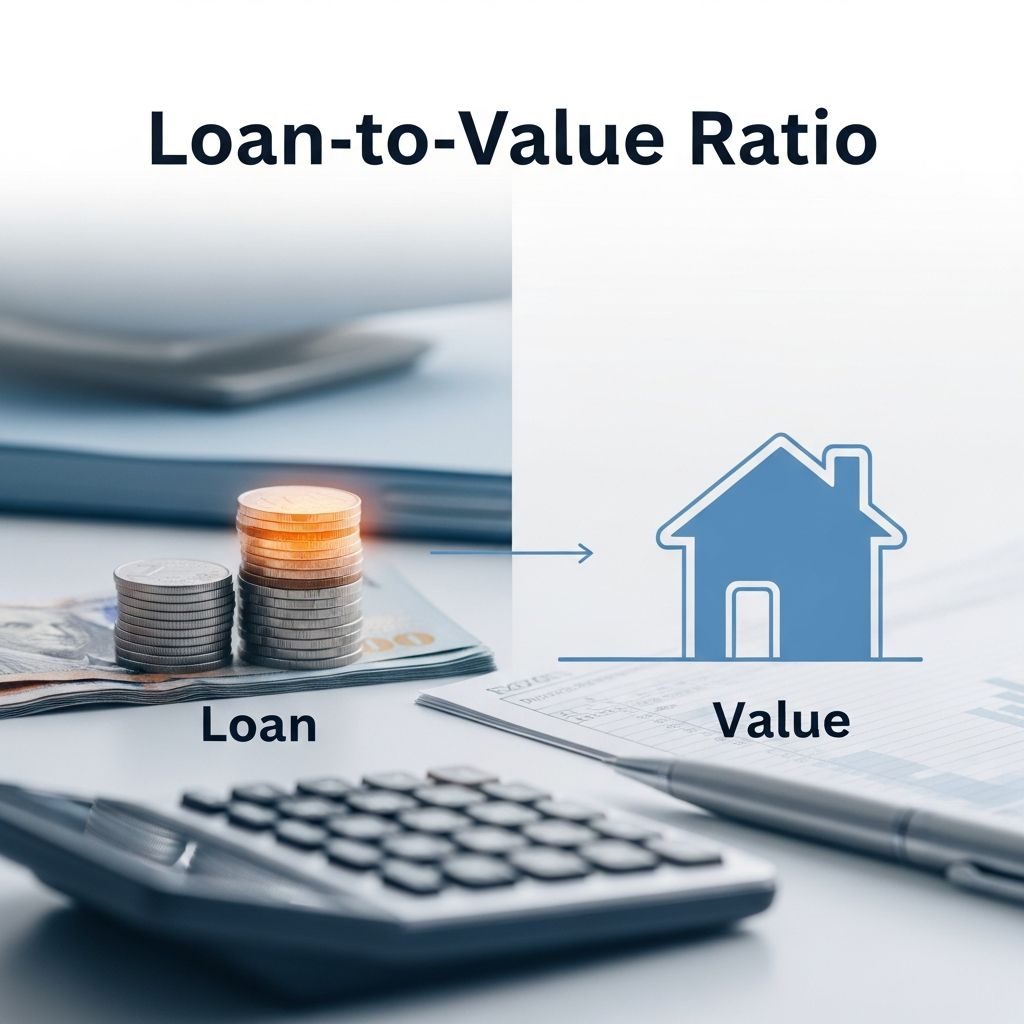
is a critical metric in lending that compares the amount of a loan to the appraised or market value of the underlying asset, typically expressed as a percentage. Lenders rely on it to gauge risk before approving mortgages, auto loans, or business financing.Defining the Core Concept of LTV
At its essence, LTV quantifies how much of an asset’s value is being financed through debt. For homebuyers, it pits the mortgage amount against the property’s lower of purchase price or professional appraisal. A $400,000 loan on a $500,000 home yields an 80% LTV, meaning the borrower covers the remaining 20% via down payment or equity.
This ratio extends beyond residential mortgages to commercial real estate, vehicles, and business collateral like inventory or receivables. High-liquidity assets, such as marketable securities, often support higher LTVs due to easier resale, while illiquid ones like specialized equipment face stricter limits.
Step-by-Step Guide to Calculating LTV
Computing LTV is straightforward using a simple formula: divide the loan principal by the asset’s value, then multiply by 100 for the percentage.
LTV = (Loan Amount ÷ Asset Value) × 100.
Consider a real-world scenario: Purchasing a $300,000 vehicle with a $240,000 loan. The calculation is $240,000 ÷ $300,000 = 0.8, or 80% LTV. For refinances, use the current outstanding balance against today’s appraised value, which market shifts can alter significantly.
| Scenario | Loan Amount | Asset Value | LTV Calculation | Result |
|---|---|---|---|---|
| Home Purchase | $360,000 | $400,000 | $360k ÷ $400k × 100 | 90% |
| Business Loan | $65,000 | $100,000 | $65k ÷ $100k × 100 | 65% |
| Refinance | $200,000 | $250,000 | $200k ÷ $250k × 100 | 80% |
Appraisals, conducted by licensed professionals, ensure objective valuation by comparing recent sales of similar assets, factoring location, condition, and economic trends. Discrepancies between purchase price and appraisal use the lower figure to protect lenders.
Why LTV Matters to Lenders and Borrowers
Lenders view LTV as a primary risk indicator: higher ratios signal greater exposure if borrowers default, as selling the asset might not cover the debt. Institutions cap LTVs—often 80% for homes—to maintain buffers against value drops.
- Risk Mitigation: Low LTV means more borrower equity, reducing default likelihood.
- Insurance Triggers: Above 80% LTV typically mandates private mortgage insurance (PMI), adding 0.5-1% annually to costs until dropping below 80%.
- Rate Influence: Favorable LTVs (under 80%) unlock lower interest rates, saving thousands over loan terms.
For borrowers, LTV shapes affordability. High ratios demand larger down payments or secondary financing, while low ones enable cash-out refinances or home equity lines once equity builds.
Ideal LTV Ranges Across Loan Types
“Good” LTV varies by asset and market. Residential mortgages favor 80% or below to sidestep PMI; conventional loans cap at 97% for qualified buyers.
| Asset Type | Typical Max LTV | Liquidity Level | Example Max Loan ($100k Value) |
|---|---|---|---|
| Marketable Securities | 90% | High | $90,000 |
| Residential Real Estate | 80-97% | Medium-High | $80,000-$97,000 |
| Commercial Real Estate | 65-100% | Medium | $65,000-$100,000 |
| Inventory/Equipment | 50% | Low | $50,000 |
Context modulates these: booming markets or strong borrower profiles (e.g., profitable businesses) can push LTVs higher. Conversely, economic downturns tighten standards.
Consequences of High vs. Low LTV
Challenges with Elevated LTV
Exceeding 80-90% LTV hikes risks: mandatory PMI inflates payments, higher rates reflect perceived danger, and negative equity (owing more than asset worth) traps owners during sales. In volatile sectors like autos, rapid depreciation exacerbates this.
Advantages of Conservative LTV
Lower ratios (60-70%) yield premium rates, no insurance premiums, and flexibility for future borrowing against equity. They also cushion against market corrections, preserving wealth.
Strategies to Improve Your LTV Position
Optimizing LTV boosts approval odds and terms. Key tactics include:
- Increase Down Payment: Saving 20%+ directly lowers LTV, eliminating PMI.
- Boost Asset Value: Home improvements or timing purchases in rising markets elevate appraisals.
- Pay Down Principal: Extra payments or biweekly schedules accelerate equity buildup.
- Shop Multiple Appraisals: Challenge low valuations with comps if justified.
- Consider Piggyback Loans: Blend first and second mortgages to meet down payment without draining savings.
Track LTV post-closing via online calculators or lender portals, requesting PMI removal at 78-80% milestones.
LTV in Different Borrowing Scenarios
Mortgage and Home Equity
Primary residence loans dominate LTV discussions, with FHA options stretching to 96.5% for first-timers. Home equity loans/HELOCs scrutinize combined LTV (first + second mortgage) against current value.
Business and Commercial Lending
Firms pledging receivables or property face asset-specific LTVs, adjusted for growth stage and sector liquidity. Strong performers negotiate up to 100% in hot markets.
Auto and Personal Loans
Vehicle LTVs hover 100-120% initially due to depreciation, but exceeding 100% invites higher rates or denial.
Frequently Asked Questions (FAQs)
What is a good loan-to-value ratio?
Under 80% is ideal for most mortgages, avoiding PMI and securing best rates. 80-97% is acceptable with insurance.
Does LTV affect interest rates?
Yes, lower LTVs signal less risk, yielding 0.25-0.5% better rates.
Can LTV change after closing?
Absolutely—property appreciation, payments, or market shifts recalibrate it. Recalculate for refinances.
How does LTV impact refinancing?
Low LTV (under 80%) enables cash-out options; high ones may require waiting for equity growth.
What’s combined LTV (CLTV)?
Total debt across all loans divided by asset value, critical for seconds or HELOCs.
Long-Term Financial Implications of LTV Management
Mastering LTV fosters wealth: lower ratios minimize costs, accelerate payoff, and unlock equity for investments. Poor management breeds debt traps, especially in declining markets where “underwater” loans hinder mobility. Monitor via annual appraisals and align borrowing with financial goals for sustained success.
References
- What is the loan-to-value ratio? – BDC — BDC. 2023. https://www.bdc.ca/en/articles-tools/entrepreneur-toolkit/templates-business-guides/glossary/loan-to-value-ratio
- Understanding Loan-to-Value Ratio (LTV) – Chase Bank — Chase. 2024. https://www.chase.com/personal/mortgage/education/financing-a-home/loan-to-value-ratio
- What Is Loan-to-Value (LTV) Ratio? | PNC Insights — PNC. 2024. https://www.pnc.com/insights/personal-finance/borrow/what-is-ltv.html
- Understanding Loan-to-Value Ratio (LTV) – Freedom Mortgage — Freedom Mortgage. 2024. https://www.freedommortgage.com/learning-center/articles/loan-to-value-ratio
- Your loan-to-value ratio guide – OCCU — OCCU. 2023. https://myoccu.org/learn/personal/your-loan-value-ratio-guide
- What is loan-to-value, or LTV? – Rocket Mortgage — Rocket Mortgage. 2024. https://www.rocketmortgage.com/learn/loan-to-value-ratio
Similar Articles








Read full bio of medha deb